LIV Golf on the Brink: Investor Halts $300 Million Deal
BC Partners is withdrawing its $300 million commitment to LIV 2.0—too few stars have signed on. The league now faces the threat of liquidation.
According to reports, private equity firm BC Partners has withdrawn its commitment of up to $300 million for LIV 2.0 because too few professionals have signed on, putting the league at risk of liquidation.
BC Partners Credit has abandoned its plans to finance a relaunch of LIV Golf with up to $300 million. This was reported on November 4 by the Financial Times and Bloomberg, followed by CNBC and the AP news agency. According to the reports, the reason is that too few players have committed to the new league. According to CNBC, only four players are publicly known to have signed on: Richard Bland, Cameron Tringale, Brendan Steele, and Ben Campbell. LIV is scheduled to appear before a U.S. bankruptcy court today, Thursday, November 5. The hearing is now expected to focus on the liquidation of the league’s assets. Neither LIV nor BC Partners had commented as of the time of the reports.
Why BC Partners Pulled Out of LIV 2.0
According to The Athletic, BC Partners concluded that LIV does not have enough players to form a viable league. The decisive factor was not so much the sheer number as the lack of star power. There are two different takes on the numbers in the reports: The Financial Times cites around 15 preliminary commitments out of a target of 30 to 40. ESPN and the BBC, on the other hand, report that LIV already had around 30 commitments, plus about 10 more undecided players—but the big names were missing, and negotiations dragged on for too long. According to the BBC, the deal ultimately fell through because of deadlines: the necessary agreements were not reached in time. A LIV attorney is expected to announce on Thursday that the proposal for LIV 2.0 is not viable.
However, a spokesperson for BC Partners clarified to Front Office Sports that the firm is “not completely out.” The picture therefore remains unclear.
BC Partners’ package was ambitious. It consisted of a $127.5 million loan, $147.5 million in senior preferred equity, and $25 million in subordinated convertible preferred equity, each subject to adjustments. The players were to own 52.5 percent of the new league, BC Partners and other minority investors 45 percent, and management 2.5 percent. In addition, there were signing bonuses and name, image, and likeness (NIL) rights. In return, the players would have waived a portion of their advance payments. The financing was subject to approval by the bankruptcy court. For more on the structure of the deal, see our report“LIV Golf: $300 Million Deal with BC Partners Aims to Save the League by 2027.”
Four Commitments, Many Departures: What This Means for Bland, Rahm, and DeChambeau
Bland, Tringale, Steele, and Campbell have staked their 2027 season on a league whose launch now hinges on securing the necessary funding. The consequences extend beyond LIV: The DP World Tour has stated that players who sign with LIV 2.0 will not receive membership in 2027 and will not be eligible for the Ryder Cup. Former LIV pros with status on the DP World Tour are expected to compete there in 2027. “The players must make a decision,” DP World Tour CEO Guy Kinnings explained in a statement on October 12. “Players who are not willing to abide by our rules and regulations should not attempt to join our Tour.” Read more about the background to the ban in“DP World Tour Forces LIV Players to Make a Decision—2027 Ryder Cup in Jeopardy.”
Many stars have already left the league: Jon Rahm, Tyrrell Hatton, Sergio Garcia, Brooks Koepka, Patrick Reed, and Eugenio Chacarra, as well as Louis Oosthuizen, Ian Poulter, and Graeme McDowell. Koepka returned to the PGA Tour in 2026 through the reinstatement program for former members. Garcia was released from his LIV contract in October and plans to return to the DP World Tour, and possibly also to the PGA Tour. Thomas Pieters and Charles Howell III followed suit on October 19. According to the Financial Times, Bryson DeChambeau is considered the only remaining big name; he decided to stay.
Rahm had announced his departure from LIV 2.0 on October 7 in court through his attorney, John Beck. Rahm had decided “that these conditions are unacceptable to him,” Beck said during the hearing. “He will not participate in LIV 2.0 in the future.” On Tuesday, November 3, ahead of the Abu Dhabi Championship, the Spaniard explained his decision to reporters: “There were too many unknowns back then, and there are still some.”
Even players close to the league have recently expressed skepticism. Lee Westwood, one of the first high-profile players to switch to LIV in 2022, said this week that while the planned relaunch still has potential, he added: “I haven’t been presented with anything that’s acceptable for LIV 2.0.” DeChambeau, on the other hand, expressed hope that the league would “last forever.”
Players as the Largest Creditors
For many professionals, the issue now is unpaid salaries. According to The National, the players are LIV’s largest unsecured creditors. The bankruptcy filings list, among others, Rahm with $7.5 million, DeChambeau with $5.7 million, Dustin Johnson with $5.5 million, and Cameron Smith with $4.8 million in overdue payments. However, as part of his release agreement, Rahm waived all claims against the bankruptcy estate. In return, LIV relinquished nearly all rights to its marketing; Rahm retained the rights to the brand and name of his team, Legion XIII.
Johnson and others are continuing to negotiate with the Saudi Arabian sovereign wealth fund PIF regarding unpaid contracts. According to reports, more than ten golfers, including Johnson, Bubba Watson, and Thomas Detry, have demanded over $100 million from the PIF based on their original contracts and severance packages.
The scale of the bankruptcy is substantial: According to court documents, LIV owes between $500 million and $1 billion in estimated liabilities to at least 1,000 creditors, including the players.
How LIV Golf’s Bankruptcy Came About
LIV launched in 2022 and recruited Phil Mickelson, Dustin Johnson, and DeChambeau. The PGA Tour suspended the LIV players; the ensuing legal disputes ended in June 2023 with a framework agreement between the PGA Tour, the DP World Tour, and the PIF, which, however, was never implemented. PIF had invested more than $5 billion in the league since 2022 but announced in 2026 that it would no longer fund LIV after the 2026 season.
On September 8, LIV Golf filed for Chapter 11 bankruptcy protection under U.S. bankruptcy law. “This process gives us the structure and time to pursue a landmark transaction and turn the page to the next chapter of LIV Golf,” CEO Scott O’Neil said in a statement at the time. Read more in our report“‘Chapter 11’ Bankruptcy for LIV Golf: Millions in Debt to Stars and Unanswered Questions.”
The mechanism behind this: Under Chapter 11 proceedings, LIV can reject existing player contracts so that the players can sign new agreements for LIV 2.0. A rejection does not prevent the players from joining LIV 2.0. On October 14, U.S. Bankruptcy Judge Michael B. Kaplan approved the rejection of the existing contracts of 19 golfers, including DeChambeau, Johnson, Watson, and Lee Westwood. During the same hearing, LIV attorney Robert Fitzgerald stated: “The timing, in particular, strikes us as a clear attempt to interfere with our proceedings.” BC Partners had set a deadline of October 25 for the players to commit. Judge Kaplan had explained that the proceedings could proceed either as a going concern or through liquidation.
What’s Next
On Thursday, November 5, the U.S. bankruptcy court will hold another hearing on LIV. According to reports, the focus will be on the liquidation of assets. An LIV attorney had previously announced that the decision between liquidation and LIV 2.0 would be made by the end of October. For players who sign with LIV 2.0, the DP World Tour’s suspension of membership for 2027 will remain in effect.
Concrete consequences are already becoming apparent. LIV had announced a 2027 schedule, including a tournament in Adelaide from March 18 to 21 at the Kooyonga Golf Club. However, South Australia’s Premier, Peter Malinauskas, stated that he no longer expects the event to take place. “It feels like game, Set, and match, as far as I can tell,” he told ABC Adelaide. Without players, the event won’t take place.
The potential cancellation is also being viewed in a broader context beyond LIV. Rory McIlroy, a long-time vocal critic of the league, said in Abu Dhabi that professional golf is facing a sort of fresh start. LIV had created “a sham economy” in men’s golf; in the long run, the sport is now better positioned.
Brandname
Title will go here and can run on two lines
Brandname
Title will go here and can run on two lines

Brandname
Title will go here and can run on two lines
Brandname
Title will go here and can run on two lines
Brandname
Title will go here and can run on two lines
Brandname
Title will go here and can run on two lines
Brandname
Title will go here and can run on two lines
Brandname
Title will go here and can run on two lines
Brandname
Title will go here and can run on two lines
Brandname
Title will go here and can run on two lines
Release date
05 Nov 2026
photos
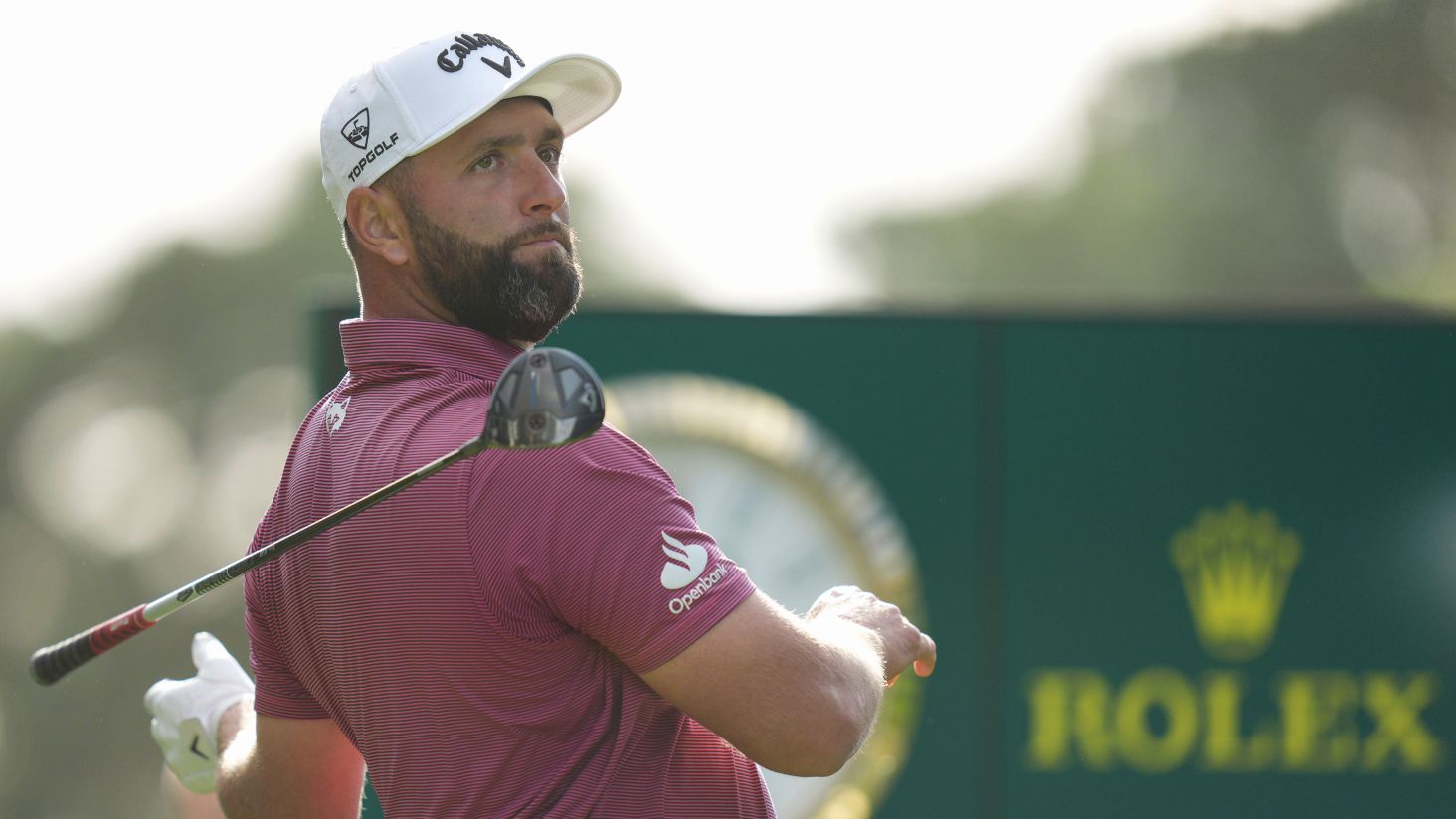
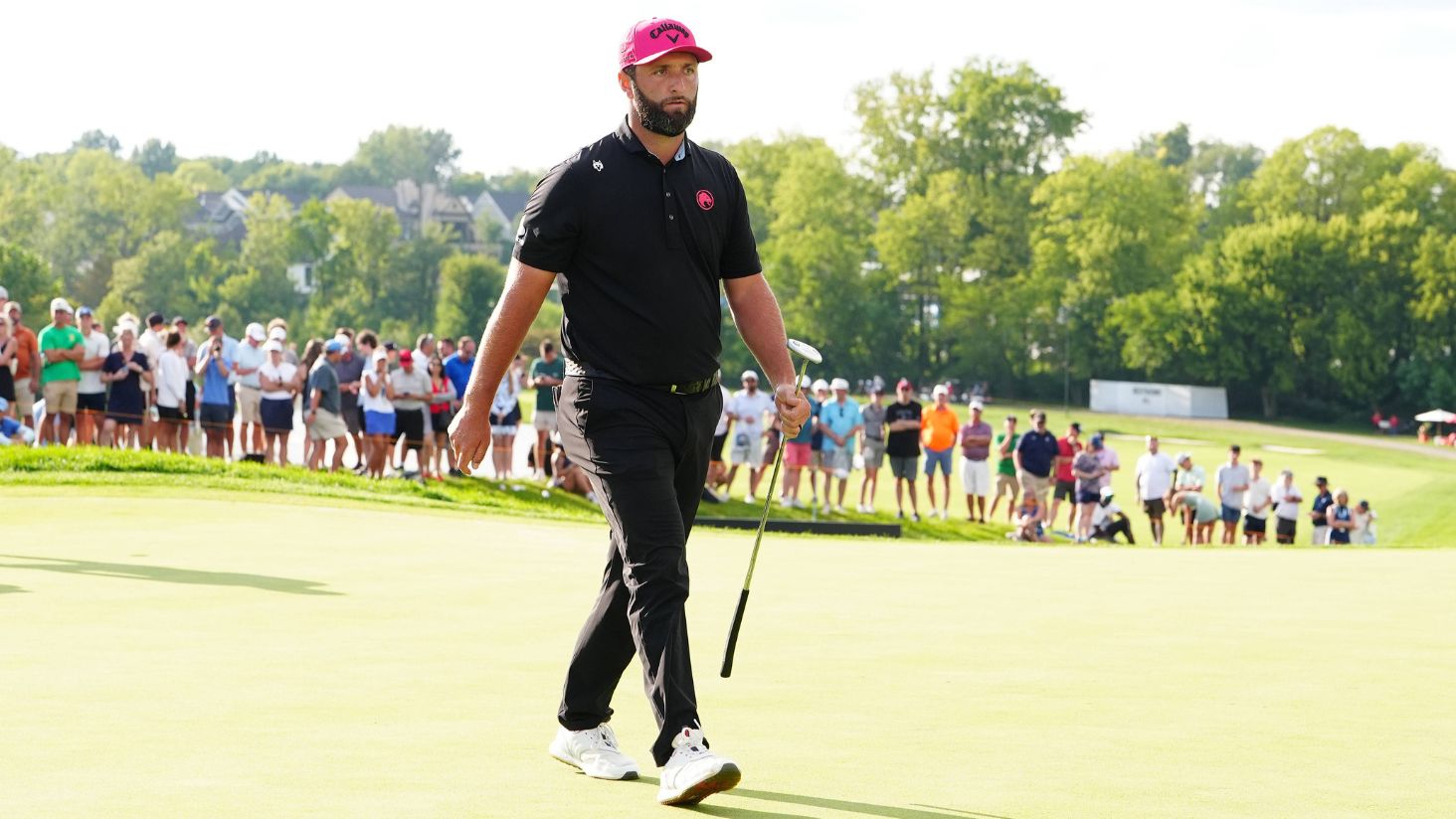
LI Golf is on the verge of collapse following the withdrawal of a potential investor. (Photo: Imago / Icon Sportswire)