LIV Golf 2026: Mass Layoffs—and Rahm's 150-Mio. Contract in Jeopardy
LIV Golf is laying off nearly its entire workforce. The PIF funds are gone, there is no new investor—and Jon Rahm's 150-million contract is up in the air.
LIV Golf laid off the majority of its staff in the first week of September—just a few days after the 2026 season finale. The league is in the midst of a restructuring, for which no secure funding has yet been secured beyond the season that just ended. And while the league is cutting fixed costs, it remains unclear what will happen to the guaranteed contracts of its players—most notably the reported $150 million that Jon Rahm is still owed.
The timing is the clearest operational indication yet that the transition from PIF funding to external capital has not been completed as planned. LIV is cutting staff at the very moment a new investor would need to sign on—a move that could be interpreted both as a proactive cost-cutting measure ahead of a nearly certain deal and as the league preparing for the deal’s failure.
The Saudi Public Investment Fund (PIF) had already confirmed in 2026 that its funding would not extend beyond the season that just ended—after having invested approximately $5 billion in the league over five years. Since then, LIV has been pursuing two tracks in parallel: the search for $250 million to $350 million in external capital via a signed but non-binding term sheet with the lending arm of the private-equity firm BC Partners, as well as initial preparations for a possible bankruptcy filing in the U.S. as a fallback option. The layoffs fall squarely into this gap—before either of these two tracks has been publicly concluded.
The 2026 LIV Golf Mass Layoffs in Detail
A spokesperson for LIV Golf explained that the staff cuts were a direct result of the expiring PIF commitment: “The funding commitment announced by PIF earlier this year is expiring. As a result, we are scaling back operations as we prepare for the next chapter of LIV Golf and work to make LIV 2.0 a reality.”
The statement continued: “We are grateful to our employees for their hard work and dedication in building LIV Golf, and we remain committed to supporting those affected through this transition.”
Affected employees were informed that their employment under the current version of the league—referred to internally as “LIV 1.0”—will end in the first week of September.
The Funding Transition: BC Partners or Bankruptcy
The league is pursuing two possible paths to bridge the funding gap. The preferred option: a deal based on the signed but non-binding term sheet, which reports say is being negotiated with the lending arm of BC Partners and is expected to bring in $250 million to $350 million in fresh capital. LIV has not yet officially named BC Partners.
The fallback option: filing for bankruptcy in the U.S. LIV has taken initial steps toward this in case the search for capital is not finalized in time. The exact type of proceeding would determine what happens to the outstanding payments from guaranteed player contracts—and this brings into focus a detail that has long been overlooked.
What’s at stake: the Jon Rahm case
Approximately $150 million from Jon Rahm’s deferred-pay LIV contract is reportedly still outstanding. Several media outlets, citing the “Monday Q Info” newsletter and as reported by Golf Monthly, have cited this figure—though there is currently no primary source or explicit confirmation from LIV or Rahm’s inner circle.
According to media reports, LIV had offered Rahm a total contract worth between $300 million and $550 million, of which about one-third was paid out as a signing bonus when he left the PGA Tour in December 2023. This makes him the most prominent test case in golf—both because of the reported magnitude of his outstanding debt and because he himself had publicly stated that he saw “not many ways out” of his contract.
A bankruptcy attorney quoted by Golf Digest explained how much the outcome depends on the type of proceeding: In a Chapter 7 liquidation, Rahm’s claim would be pooled with those of all other unsecured creditors—from fellow players to tournament service providers—with no guarantee that he would actually recover the $150 million. In a Chapter 11 restructuring, his claim could instead be converted into equity stakes in one of the LIV team franchises. Media reports also describe Rahm as likely to be the largest single creditor in the event of an LIV bankruptcy, with LIV players reportedly owed a total of more than $250 million in outstanding contract payments.
What Remains Unclear
LIV Golf has not specified the exact number of employees laid off, the departments most affected, or any formal severance or reinstatement arrangements. Some reports informally suggest that laid-off staff could return if the deal with BC Partners is finalized and “LIV 2.0” is launched—but there is no binding commitment to that effect as of yet.
The layoffs also coincide with unresolved legal disputes with suppliers, including a lawsuit filed by Fresh Tape Media over unpaid production invoices—another item on the list of financial obligations the league is managing during the transition.
For Rahm, too, a second question remains unanswered: PGA Tour Commissioner Brian Rolapp has stated that the Tour currently has no plan to bring him back, and any clearance would depend anyway on Rahm’s own LIV contract—a contract whose remaining value is now itself in question.
Outlook: Pressure to Finalize the Term Sheet
The layoffs ease the strain on LIV Golf’s balance sheet as it moves toward a potential deal with BC Partners and narrow the gap between what the league can finance on its own and what a new investor would have to cover. At the same time, they strip the league of precisely the institutional capacity that would be necessary for a potential relaunch as “LIV 2.0.”
Whatever the outcome of LIV’s search for capital or a potential bankruptcy proceeding, it will also determine how much of his contract a player like Rahm will ultimately receive. This is increasing the pressure on the leadership to finalize the term sheet or present a concrete alternative before trust among players and sponsors erodes further.
Brandname
Title will go here and can run on two lines
Brandname
Title will go here and can run on two lines

Brandname
Title will go here and can run on two lines
Brandname
Title will go here and can run on two lines
Brandname
Title will go here and can run on two lines
Brandname
Title will go here and can run on two lines
Brandname
Title will go here and can run on two lines
Brandname
Title will go here and can run on two lines
Brandname
Title will go here and can run on two lines
Brandname
Title will go here and can run on two lines
Release date
03 Sep 2026
photos
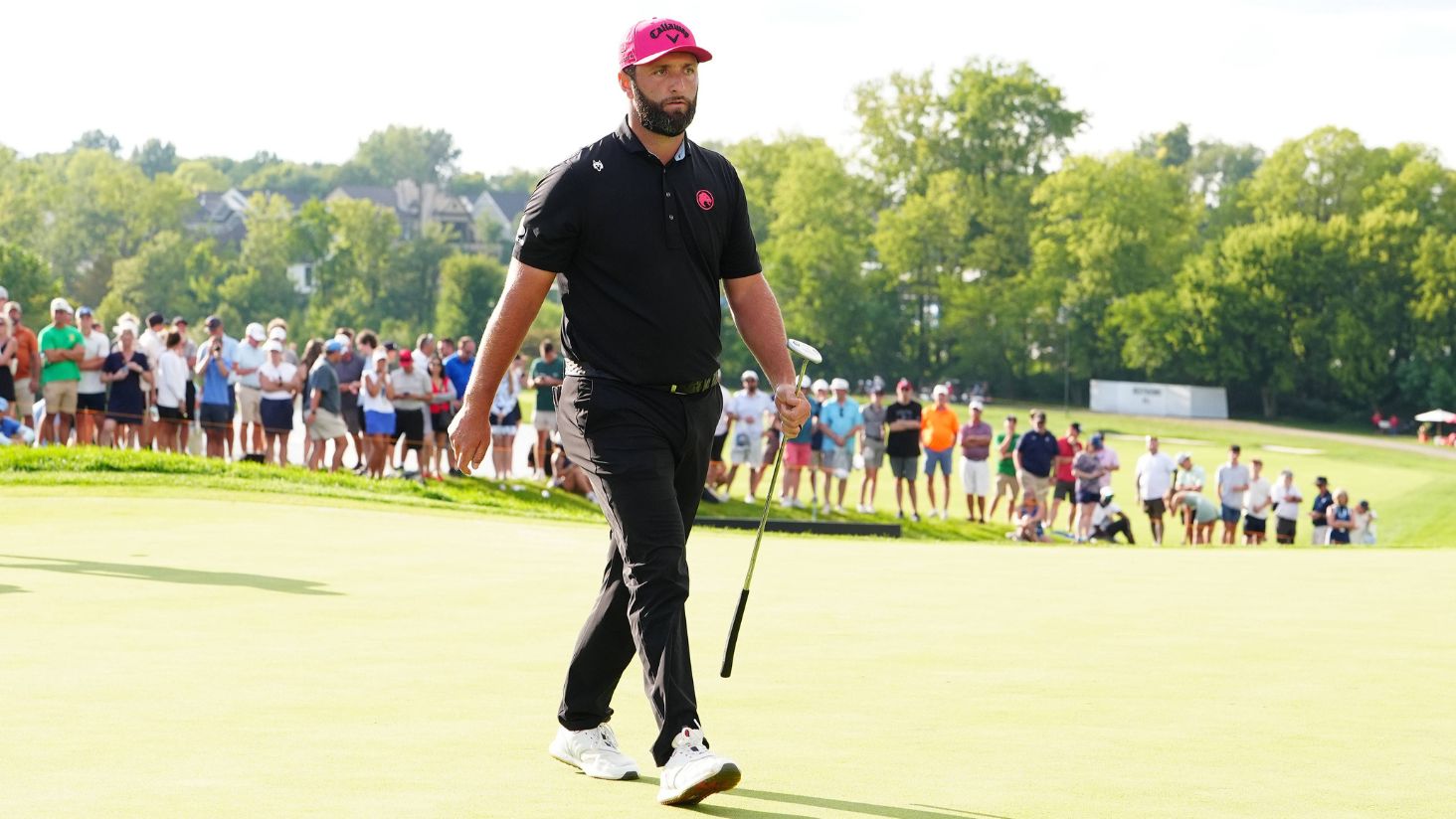
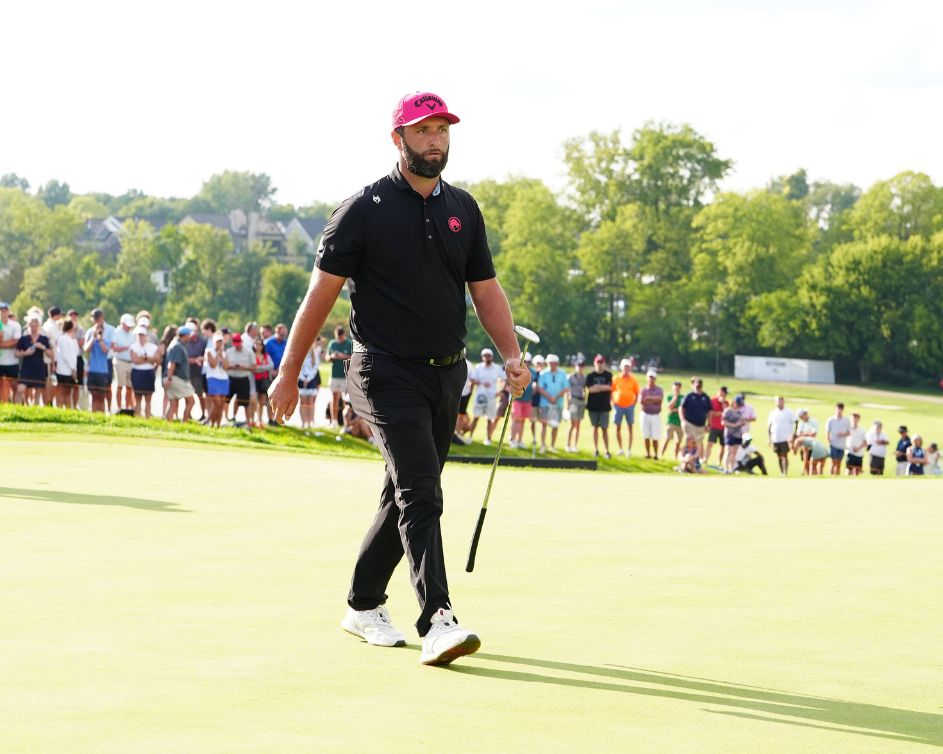
Jon Rahm is LIV Golf's largest individual creditor and fears he may lose $150 million. (Photo: Imago / Icon Sportswire)