
LIV Golf Files for Chapter 11 Bankruptcy: Millions in Debt to Stars and Unanswered Questions
Jon Rahm and other stars are on the list of creditors. At the same time, LIV Golf is planning a new, player-backed Tour for 2027 in partnership with BC Partners.
The controversial golf league has filed for Chapter 11 bankruptcy protection in the U.S. Following the withdrawal of the Saudi sovereign wealth fund, LIV Golf reports liabilities of up to one billion U.S. dollars. At the same time, work is reportedly already underway on a smaller version for 2027, funded primarily by the players.
LIV Golf is facing a profound transformation. The golf league, which until recently was financed by Saudi Arabia’s Public Investment Fund (PIF), filed for Chapter 11 bankruptcy protection with the bankruptcy court in the U.S. state of New Jersey on Tuesday, September 8, 2026. The proceedings are intended to give LIV time to restructure its debts and contracts, secure new financing, and continue operations in a modified form.
For the league, the filing does not automatically mean an immediate end. Under U.S. law, Chapter 11 is primarily a judicial reorganization process. In principle, a company can continue its operations while negotiating its future with creditors, investors, and contractual partners. At the same time, the filing makes it clear that the existing business model cannot be sustained without the billions in support from the PIF.
LIV Reports Liabilities of Up to One Billion U.S. Dollars
According to the court documents filed, LIV Golf estimates its assets at between $100 million and $500 million. Its liabilities, however, are said to range from $500 million to $1 billion. The league thus has significantly more debt than reported assets.
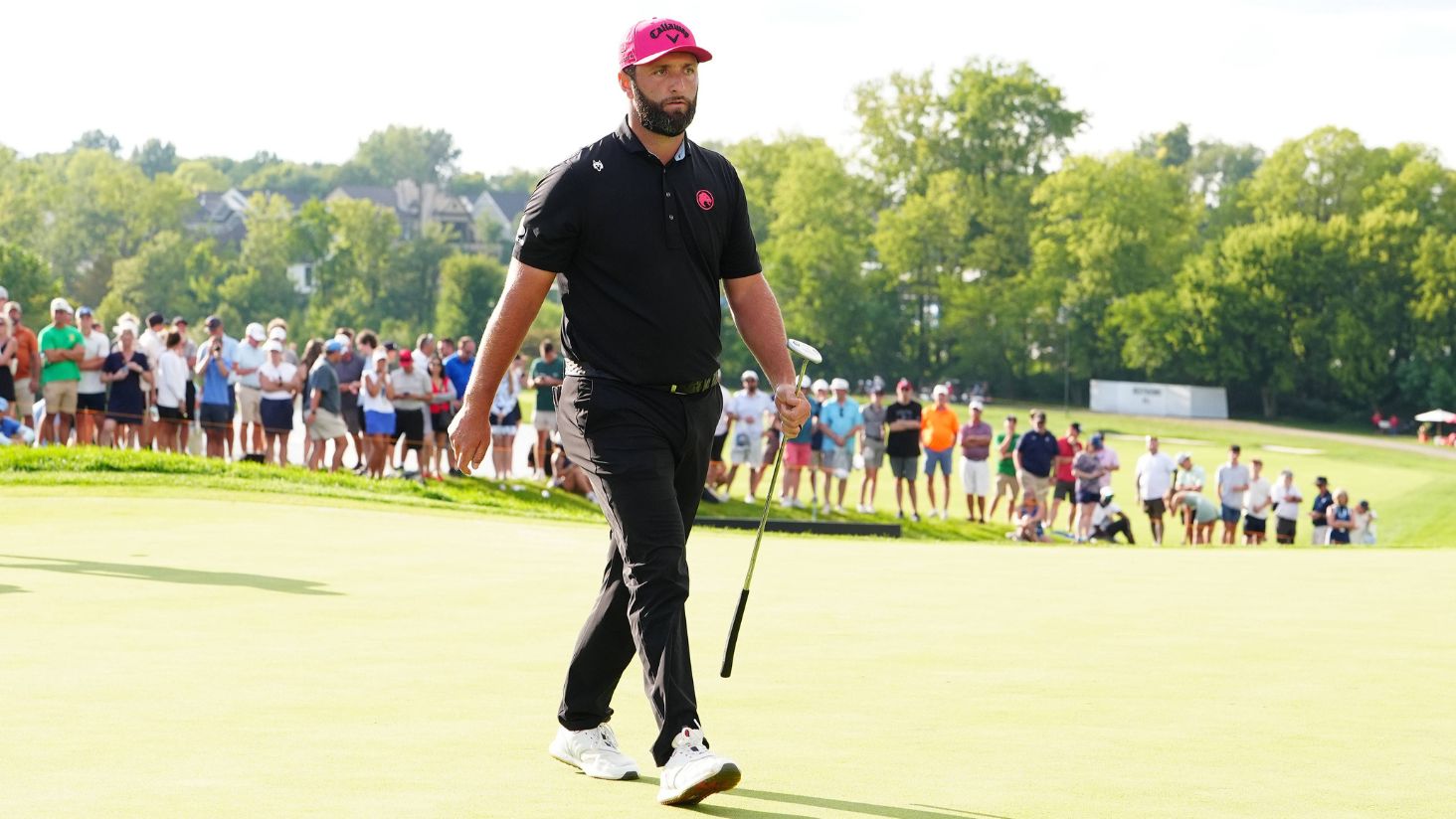
Several prominent players are among the largest unsecured creditors. Jon Rahm tops the list with a claim of approximately $7.5 million. He is followed by Bryson DeChambeau with about $5.7 million, Dustin Johnson with about $5.5 million, and Cameron Smith with about $4.8 million. Tyrrell Hatton and Brooks Koepka are also named on the list. Koepka had already left LIV and returned to the PGA Tour.
According to the information provided, 14 current and former LIV players on the list of the 30 largest unsecured claims account for a total of just over $45 million. However, this sum should not be confused with the total outstanding contract values. A source familiar with the figures told BBC Sport that the list refers to outstanding and unpaid amounts for the third quarter of 2026—not necessarily to all future payments due.
In addition, some claims are listed as conditional or disputed. Inclusion on the list of creditors therefore does not constitute final acknowledgment by LIV, nor does it guarantee full payment. How much each creditor ultimately receives will depend on the further course of the proceedings and a court-approved restructuring plan.
LIV’s Chapter 11 petition hits the docket. Here are the top 10 unsecured creditors, starting with Jon Rahm and Bryson DeChambeau:https://t.co/kO0K6m2ycA pic.twitter.com/g7cmb4DLte
— Sujeet Indap (@sindap) September 8, 2026
PIF withdraws—but still provides a bridge loan
The immediate trigger for the crisis was the withdrawal of the Saudi Public Investment Fund. The sovereign wealth fund had financed LIV Golf with more than five billion U.S. dollars since its inception and announced in April that it would no longer support the league in its current form. The fund stated that providing extensive financing over an extended period no longer aligned with its strategic direction.
Following the withdrawal, LIV came under increasing pressure. In recent months, events were canceled or consolidated, payments to players and service providers were delayed, and the league downsized its staff. The 2026 season ended prematurely with the tournament in Indianapolis.
Read more here about the mass layoffs at LIV Golf in early September 2026.
Despite the announced withdrawal, the PIF is set to support LIV with $49.6 million as part of its Chapter 11 proceedings. The so-called debtor-in-possession financing is intended to enable ongoing operations and restructuring, but is still subject to court approval. The loan should therefore be viewed as bridge financing—not as a return to the previous long-term financing provided by Saudi Arabia.
BC Partners Is Expected to Facilitate the Restart
LIV has named the London-based investment firm BC Partners as the new investor and source of future exit financing. Additional minority investors may also join. The planned transaction is part of the restructuring process and, according to the information available, must still be implemented and confirmed in further proceedings.
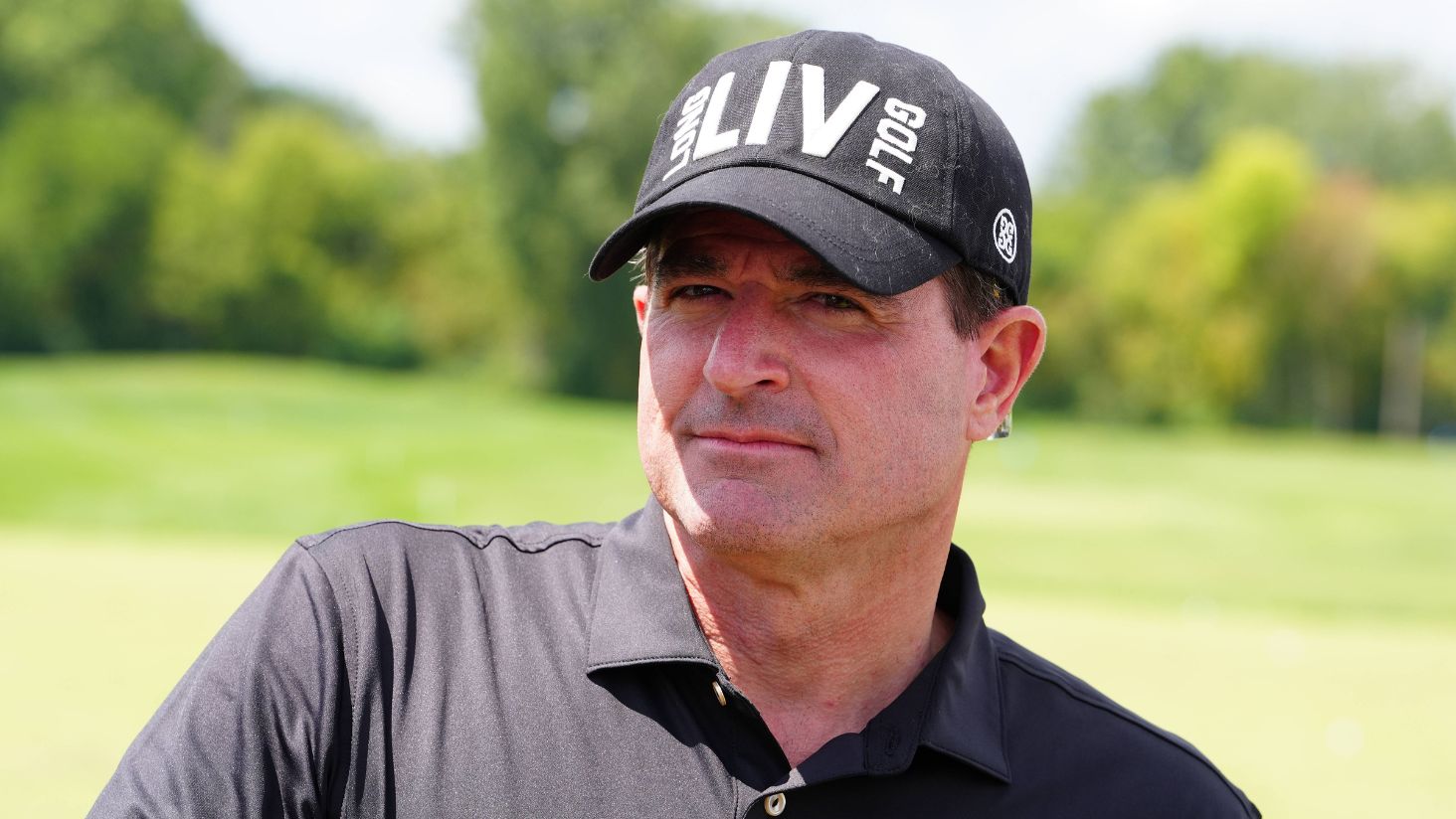
LIV CEO Scott O’Neil described the application in a letter to fans as the beginning of a new phase. “This process gives us the structure and time to drive forward a groundbreaking transaction and begin the next chapter of LIV Golf—one built on the fans, an innovative, player-centric ownership model, and being part of the global golf ecosystem,” O’Neil wrote.
O’Neil also described the process as the foundation for a “stronger and more sustainable future” for the league. The term “sustainability” is primarily meant in an economic sense: The new version is intended to operate with less capital and be more aligned with the players’ interests.
“LIV 2.0” is set to be smaller and more player-driven
LIV Golf plans to return in a revised form as early as possible in 2027. According to current plans, the announced “LIV 2.0” will feature a significantly shorter schedule. The reports provided mention approximately ten tournaments. By comparison, the previous league launched with a more extensive schedule and high guaranteed payments to players and teams.
The planned changes include:
- majority ownership by the players,
- direct player participation in the league’s economic value,
- the return of individual commercial rights,
- larger rosters with 75 players,
- the introduction of a cut,
- additional qualification opportunities, including Monday Qualifiers,
- more teams with a national identity,
- a stronger focus by teams on long-term sports business ventures.
The league is also expected to make changes to its prize money structure. It is projected to be below the level of the PGA Tour but above that of the DP World Tour. Potential host markets mentioned include Australia, South Africa, Mexico, England, Hong Kong, and the U.S.
However, according to the information available, a final schedule for 2027 and a confirmed list of participants have not yet been released. The points mentioned should therefore be understood as plans and statements of intent by LIV Golf—not as facts that have already been fully confirmed.
What will happen to the players’ contracts?
For the players, it’s not just a matter of whether they will receive outstanding payments. It’s also unclear what effect the Chapter 11 filing will have on existing contracts.
BBC Sport reports, citing informed sources, that players will not be required to sign a contract with “LIV 2.0”—even if they had previously entered into multi-year agreements with LIV Golf. Furthermore, it is reported that contracts from the league’s previous version could be terminated as a result of the proceedings. The outstanding amounts would then be addressed as part of the court-supervised restructuring.
It remains unclear whether this assessment applies equally to all contracts, when players will be allowed to negotiate with other Tours, and whether outstanding payments will be settled in cash or partially in company shares. LIV has announced that it will also discuss equity stakes in the reorganized league with the players. However, an equity stake would not be the same as an immediate and full payment of the outstanding debt.
The PGA Tour has also not yet announced a general pathway back for former LIV players. This leaves open the question of whether players such as Rahm, DeChambeau, or Smith could return to the PGA Tour in the short term or would first have to pursue other qualification routes.#

Jon Rahm is keeping all his options open
Particular attention is being paid to Jon Rahm’s future. The Spaniard is not only the largest unsecured creditor listed in the documents; he is also one of the league’s most important players from a sporting perspective. Rahm switched to LIV Golf in 2023 and is now playing select tournaments on the DP World Tour again.
Ahead of the Irish Open, BBC Sport asked Rahm about his future. He did not give a definitive commitment to LIV 2.0. “There are just a lot of things in motion. There’s a lot that could happen, and it’s one of those situations where time will tell what happens,” Rahm said.
When asked about his existing agreement, he added: “I still have a contract with LIV 1.0, which I’d very much like to fulfill. As I said: Time will tell.”
Rahm thus ruled out neither a return to the PGA Tour nor continuing with LIV. When asked what would happen if an opportunity to return arose, he replied succinctly: “We’ll see what happens.”
Above all, these statements highlight just how unclear the situation currently is. Rahm has announced neither his departure from LIV Golf nor a return to the PGA Tour. His decision, however, could have far-reaching consequences: for the sporting appeal of LIV 2.0, for negotiations with other players, and for potential investors.
Rescue or end of the first LIV era?
The Chapter 11 filing does not automatically spell the end of LIV Golf. However, it marks the end of the first phase, which was characterized by high contract payments, large prize purses, and massive Saudi funding.
Whether the planned relaunch succeeds now depends on three factors. First, the court must approve the further financing and restructuring measures. Second, LIV must attract enough high-profile players for the new version. Third, it remains to be seen whether a smaller league with a lower budget can survive financially without the PIF’s previous support.
LIV Golf is thus attempting to transform a billion-dollar rival league into a more sustainable business model that is more player-driven. Whether this will actually result in a permanent Tour will be decided in the coming months—in court, during contract negotiations, and on the golf course.
Brandname
Title will go here and can run on two lines
Brandname
Title will go here and can run on two lines

Brandname
Title will go here and can run on two lines
Brandname
Title will go here and can run on two lines
Brandname
Title will go here and can run on two lines
Brandname
Title will go here and can run on two lines
Brandname
Title will go here and can run on two lines
Brandname
Title will go here and can run on two lines
Brandname
Title will go here and can run on two lines
Brandname
Title will go here and can run on two lines
Release date
09 Sep 2026
photos
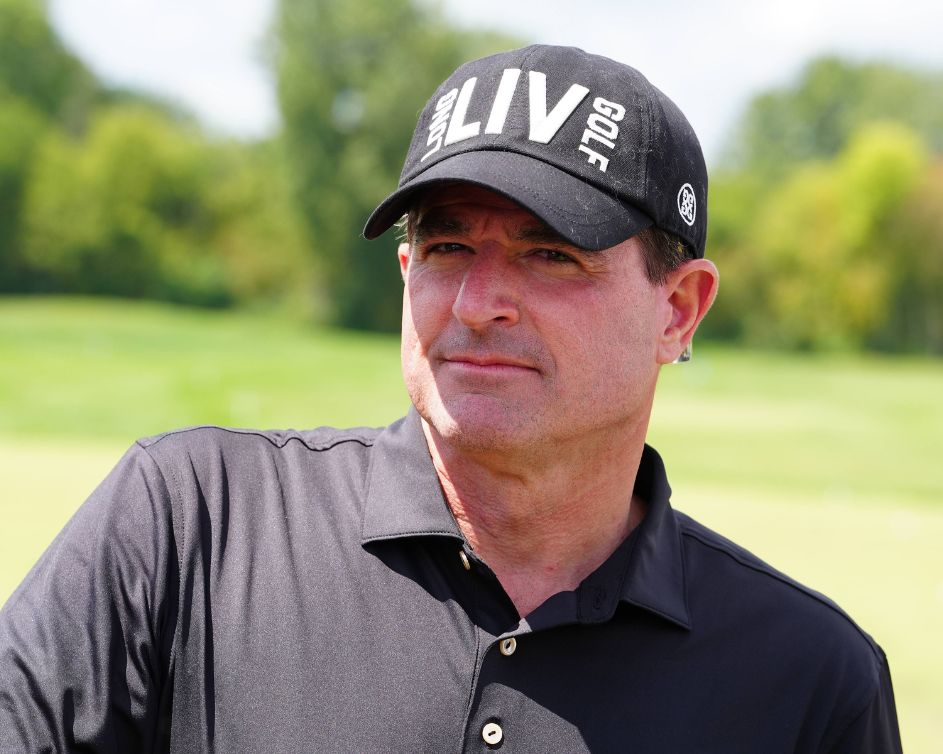
LIV Golf CEO Scott O'Neil has filed for bankruptcy protection in a bankruptcy court. (Photo: Imago / Icon Sportswire)