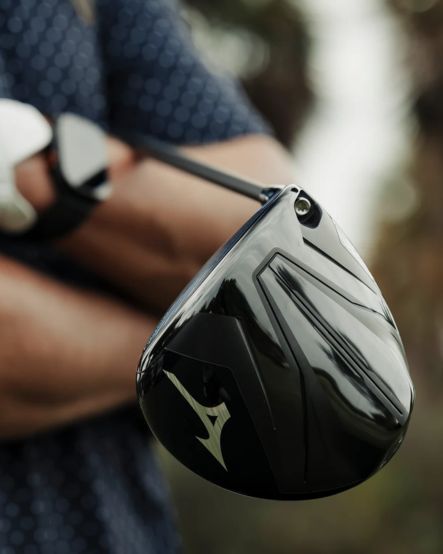
Cobra, Mizuno, and Wilson Drivers 2026 – The Better Alternative?
Cobra Golf Drivers, Mizuno Golf Drivers, Wilson Staff: A Look at Underrated Driver Series—Including TaylorMade Classics Like the R7, Burner, and M2.
At nearly every driving range, the scene is the same: TaylorMade, Callaway, Titleist. These three big names dominate the market—and the minds of many golfers. But if you limit your search to just these three brands when buying your next Driver, you’re unnecessarily restricting your options. That’s because Cobra, Mizuno, and Wilson make Drivers that are technologically on par with the industry leaders—and sometimes even offer genuine innovations that the big three haven’t yet dared to pursue.
The problem: These brands invest less in advertising and Tour sponsorship. The result is a perception gap between actual product quality and public awareness. This article closes that gap. We’ll show you what sets Cobra, Mizuno, and Wilson apart as Driver brands, which models stand out in 2026—and when a classic like the TaylorMade R7 or M2 is still relevant today.
Note: If you’re not yet sure which type of Driver suits your game, we recommend starting with our 2026 Golf Driver Buying Guide. If you’re ready to take the next step, our article on driver fitting covers everything you need to know about custom club fitting.
What makes a Driver brand “underrated”?
Marketing budgets and product quality are two completely different things—in golf as in any other consumer goods sector. A brand that doesn’t sponsor every major tournament and whose clubs aren’t played by the most famous pros isn’t automatically inferior. It’s simply less visible.
Cobra, Mizuno, and Wilson are not niche brands. All three have been active in the market for decades, all three have a track record of Tour success, and all three develop their Drivers using the same measurement methods and engineering teams as the major brands. What they lack isn’t technology—it’s the spotlight.
Anyone who lets a professional fitting guide their Driver purchase—rather than the brand name—will often be surprised by which clubhead actually delivers the best results on the Launch-Monitor. More often than not, it’s none of the top three. Learn more about the fitting process in our article: How to Find the Perfect Driver.
Brandname
Title will go here and can run on two lines
Brandname
Title will go here and can run on two lines
Cobra Golf Drivers – The Innovator Among Underrated Brands
When talking about underrated Driver brands, you can’t overlook Cobra. In recent years, the brand has consistently invested in two areas: customizability and aerodynamics. The result is a series of Drivers that regularly surprise players in the fitting studio.
The Cobra Philosophy: Fitting as a Core Principle
Cobra recognized years ago that the perfect Driver cannot be a one-size-fits-all product. The answer to this insight is the FUTUREFIT33 hosel system —the most flexible adjustable hosel system currently available on the market. Thirty-three different combinations of loft and lie can be adjusted independently of one another. This isn’t just a technical gimmick—it’s a serious tool for anyone who truly wants to tailor their Driver to their swing.
The Cobra driver family can be divided into two generations, both of which will still be relevant in 2026: the DS-Adapt series as the strong previous generation and the new OPTM series as the current flagship.
Cobra DS-Adapt Driver – The Previous Series That Still Delivers
The DS-Adapt series was Cobra’s first consistent step toward a Driver system designed entirely for customizability. Four models cover the entire spectrum of player skill levels:
- DS-Adapt LS: Compact profile (445 cc), low spin, maximum control—for players with a fast swing and a handicap under 12.
- DS-Adapt X: The all-rounder with a 460-cc head, offering a balanced blend of speed and forgiveness—for the widest range of players.
- DS-Adapt Max-K: Maximum forgiveness thanks to a very high MOI (10K), lightweight oversized profile—for golfers who prioritize consistency above all else.
- DS-Adapt Max-D: Draw bias and heel-weighted center of gravity—designed for slicers who want to correct their ball flight.
H.O.T. Face technology increases the CT (Characteristic Time) value—that is, the time the ball remains in contact with the clubface—across all four models, particularly on off-center hits. The result: greater consistency and less loss of distance on off-center shots.
The DS-Adapt series is now available used at very attractive prices and offers technology that will still be competitive in 2026. For more information, see our article: Cobra DS-Adapt Driver: 33 Fitting Options for Maximum Performance.
| Model | Target Audience | Special Feature | Head Size |
|---|---|---|---|
| DS-Adapt LS | HCP under 12, fast swings | Compact profile, low spin | 445 cc |
| DS-Adapt X | Handicap 36–12, all-around club | Balance of speed and forgiveness | 460 cc |
| DS-Adapt Max-K | HCP 54–18, Consistent Player | 10K MOI, maximum forgiveness | 460 cc |
| DS-Adapt Max-D | Slicers of all skill levels | Draw bias, heel-weighted CG | 460 cc |
Cobra OPTM Driver 2026 – The Next Dimension
With the OPTM series, Cobra 2026 has taken a bold step: Instead of further optimizing the MOI value, the brand is introducing a completely new metric—the POI value (Product of Inertia).
While the classic MOI measures the stability of the clubhead during horizontal or vertical mis-hits, POI takes all three dimensions into account simultaneously—including diagonal rotation, which occurs during the most common mis-hits (such as at the top of the clubface). “MOI is still important, but POI is the next frontier in terms of overall accuracy,” explained Jose Miraflor, VP of Product Architecture at Cobra, at the series’ launch.
The result: according to the manufacturer, up to 23 percent less lateral dispersion compared to comparable previous models.
The four OPTM models follow the same logic as the DS-Adapt series but take the technology to a new level:
| Model | Characteristics | Weighting | MSRP |
|---|---|---|---|
| OPTM LS | Tour profile, lowest spin, high swing speed | 3 adjustable weights (11g, 7g, 3g) | €629 |
| OPTM X | Balance of ball speed and control, suitable for a wide range of players | 2 adjustable weights (11g, 3g) | 629 € |
| OPTM MAX-K | Maximum forgiveness, highest MOI in the series | Fixed 11g weight at the back | 629 € |
| OPTM MAX-D | Slice correction, Draw bias, lightweight design | Fixed 11g weight in the heel | 629 € |
All four models feature a lightweight carbon crown, a titanium frame, and H.O.T. Face technology with 15 optimized sweet spots. The MAX-D and MAX-K are also available in women’s versions.
The FUTUREFIT33 hosel system is also built into the OPTM series—making these models among the most customizable drivers currently on the market.
Find more details about the OPTM series here: Cobra OPTM Series Review: New Drivers, Woods, and Hybrids.
Who is a Cobra Driver the right choice for?
Cobra drivers are ideal for golfers who value maximum customizability, prioritize technological innovation over brand recognition—and are willing to truly configure a Driver rather than simply picking one off the shelf. Cobra drivers reach their full potential through a professional fitting.
Mizuno Golf Drivers—Precision and Feel from Japan
Mizuno is known in the golf world for one thing above all else: Irons. For decades, the Japanese brand has been the benchmark for forged Iron sets with unmatched feel. What many don’t know: Mizuno also makes Drivers—and does so with the same dedication and technological independence that sets the brand apart in the Iron category.
The Mizuno Philosophy: Thinking Independently
While most manufacturers rely on increasingly complex carbon composites for Driver innovations, Mizuno is taking a different approach with the JPX One series—and is turning to a material that has not been used in golf before.
Mizuno JPX One Driver 2026 – The Nanoalloy Experiment
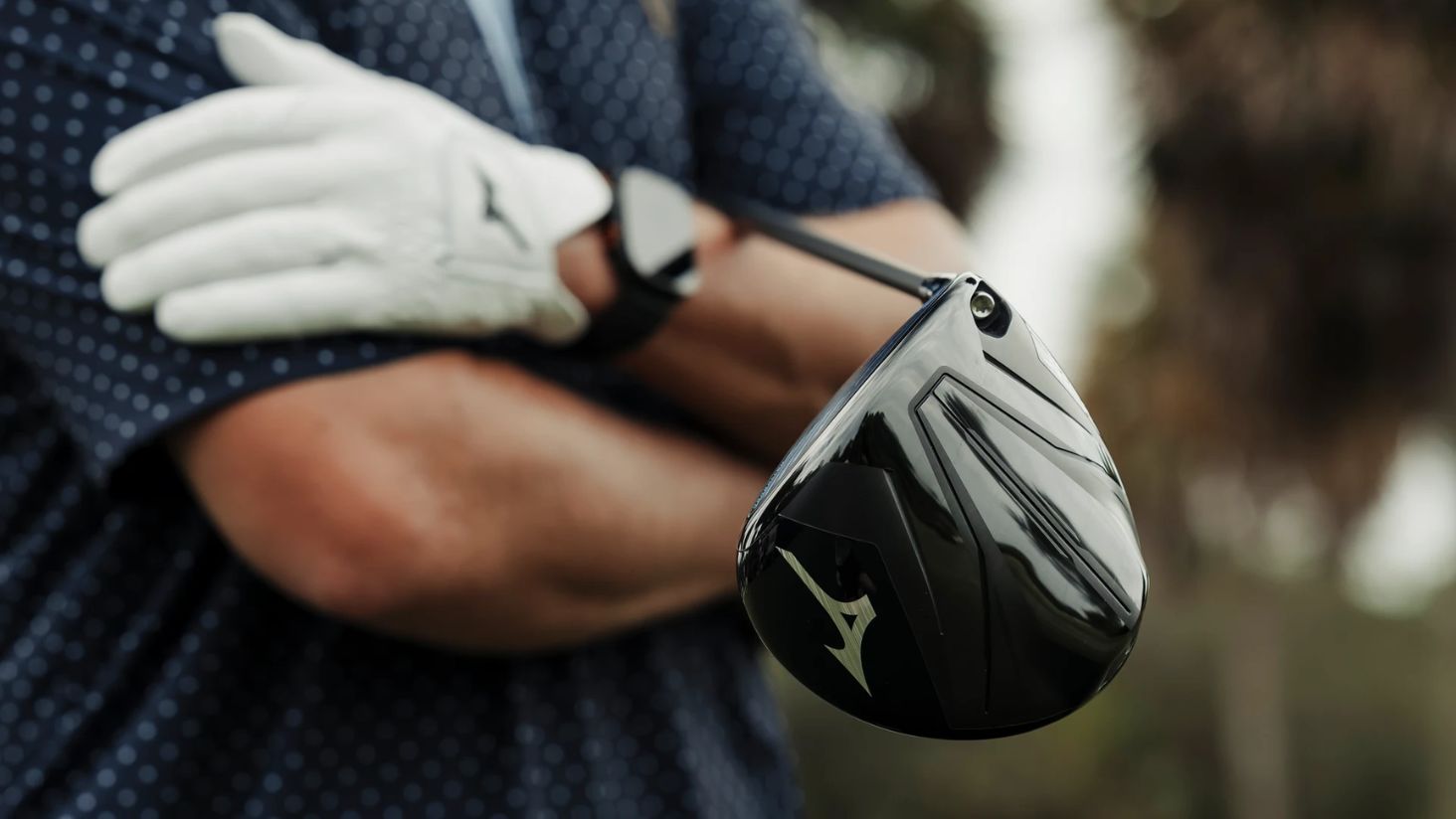
The technological heart of the Mizuno JPX One is its so-called Nanoalloy face. Nanoalloy is not a carbon derivative, but rather a composite material from the nylon family—a material that Mizuno has adapted from baseball and softball for use in golf. The unique property of this material is that it is rigid at rest and becomes flexible under stress.
At the moment of impact, this means the clubface reacts more elastically than a conventional titanium or carbon face, resulting in a larger sweet spot with high ball speeds—even on shots that aren’t perfectly centered. “It didn’t feel like an evolution of everything we’ve done so far,” said Mizuno Director of Golf Chris Voshall. “It felt like a complete fresh start.”
The JPX One series includes two distinctly different models:
Mizuno JPX One (Standard): The more forgiving of the two models. A larger front-to-back and heel-to-toe footprint ensures high MOI and a stable, slightly straight-flying trajectory. An adjustable rear weight allows for further customization. This model suits the vast majority of golfers—from mid-handicap players to advanced players who want to combine stability with ball speed.
Mizuno JPX One Select: A more compact, pear-shaped variant with a deeper face and a flatter lie angle. The Select produces a slight Fade tendency and is designed for skilled golfers who want to actively reduce spin and avoid a left-to-right miss. Despite its more compact profile, the head size remains at 460 cc—a clever compromise between a visually reassuring design and on-course control.
More Distance with Nanoally: Learn more about the Mizuno JPX One Drivers here.
| Model | Profile | Ball Flight Tendency | Target Audience |
|---|---|---|---|
| JPX One | Large, high MOI, upright lie | Slightly straight / Draw | HCP 36–8, general public |
| JPX One Select | Compact, lower face angle | Fade bias, low spin | HCP 18–0, advanced players |
Another advantage of Mizuno drivers: They don’t fit the stereotype of a clunky game-improvement clubhead. The elegant profile instills confidence at address—a factor that many golfers underestimate.
Who is a Mizuno Driver the right choice for?
Mizuno drivers are recommended for golfers who value technological innovation and a premium feel—and who don’t follow every marketing trend. Those who choose a Mizuno driver are consciously opting for a club outside the mainstream—and get real substance in return.
Wilson Staff Golf Drivers – The Underdog with a Big Name
Wilson is one of the oldest sports brands in the world—and one with a rich history in golf. Arnold Palmer, Gary Player, and Sam Snead played Wilson irons and Drivers. Numerous major titles have been won with Wilson equipment. And yet, today the brand tends to be found in the background in most golf shops.
That’s not because of product quality. It’s due to marketing strategy and visibility. Because what Wilson builds under the “Staff” label holds up to a technical comparison with the Big Three—often at a significantly lower price.
The Wilson Dynapwr Driver Series—AI Design Meets Customizability
For the Dynapwr series, Wilson relies on PKR-360 —an AI-powered design process that increases the number of optimizable positions on the clubface and head body. The result is a larger sweet spot and higher ball speeds across the entire clubface—not just in the center.
This is complemented by an Open Hosel Construction, which removes material from the heel side of the face. This allows the face to flex more at impact—which helps maintain ball speed, especially on hits that are slightly too far inside.
The Dynapwr family includes four distinct models:
- Dynapwr LS: The most compact head in the series (445 cc), Fade-biased, aerodynamically optimized—for skilled golfers with high swing speeds who want to eliminate the left side of the course.
- Dynapwr Carbon: The all-rounder. A compact profile combined with high forgiveness—developed in collaboration with Wilson Tour players. The front (3g) and rear (9g) weights are interchangeable.
- Dynapwr Max: Maximum forgiveness thanks to a large footprint and high MOI. A 19g rear weight can be switched between Draw and neutral.
- Dynapwr Max+: The technological highlight of the series. Over 10,000 MOI, a modern player profile, a 6-way adjustable hosel, and a rear weight that can be switched between Neutral and Draw. A Driver that, on paper, is every bit as good as the Ping G440K—at a significantly lower price.
10K Driver and AI-Optimized Face: Read more about the Wilson Dynapwr Drivers here.
| Model | Head Size | Target Audience | Special Feature |
|---|---|---|---|
| Dynapwr LS | 445 cc | Powerful, fast swings | Fade bias, aerodynamic |
| Dynapwr Carbon | 460 cc | All-around, medium handicap | Compact look, highly forgiving |
| Dynapwr Max | 460 cc | High handicap, consistent player | 19g rear weight, Draw/neutral |
| Dynapwr Max+ | 460 cc | All skill levels | 10K+ MOI, 6-piece hosel |
Who is a Wilson Driver the right choice for?
Wilson drivers are especially recommended for golfers looking for maximum forgiveness or high customizability at a fair price—and who aren’t afraid to choose a brand that isn’t featured on every other billboard. The Dynapwr Max+ deserves special mention: Anyone willing to give Wilson a chance will find one of the most technically advanced Drivers of 2026 here, at a price significantly lower than comparable models from the competition.
Big Bertha – When a Name Becomes a Legend
There’s hardly a Driver name more famous than “Big Bertha”—and hardly one whose current significance is so frequently misunderstood. In 1991, Callaway revolutionized the Driver market with the first Big Bertha: A metal head that was enormous by the standards of the time, promising every golfer—male and female—more distance and forgiveness. The impact was enormous—Big Bertha heralded the end of the wooden-head era.
Today, the Big Bertha is positioned as the entry-level model in the Callaway product family. It offers solid forgiveness, a high launch, and an affordable price—but is clearly positioned below the Quantum series in terms of technology. For budget-conscious beginners or golfers who want to carry the Callaway name without spending the money on a flagship model, the Big Bertha is a legitimate option. However, those seeking the maximum in technology are better off choosing the Quantum series.
The name “Big Bertha” is more of a legend than a performance promise today—but it’s a legend that has fully earned its place in the history of golf.
Read more here about how the Callaway Big Bertha brought the fun back to golf.
TaylorMade Classics—A Look Back at the R7, Burner, and M2
Not every underrated Driver comes from a lesser-known brand. Sometimes it’s the classics from established manufacturers that are overshadowed by their successors—yet still hold their own remarkably well.
TaylorMade R7 – The Driver That Changed Everything
In 2004, TaylorMade introduced the R7—and in doing so, transformed the entire Driver industry. With over 30 victories worldwide, including Retief Goosen’s win at the 2004 U.S. Open, the R7 was more than just a commercial success. It was the first Driver ever to feature Movable Weight Technology: Four weight slots in the head allowed players to individually adjust the swing weight, spin, and ball flight. What is standard today was a revolution back then.
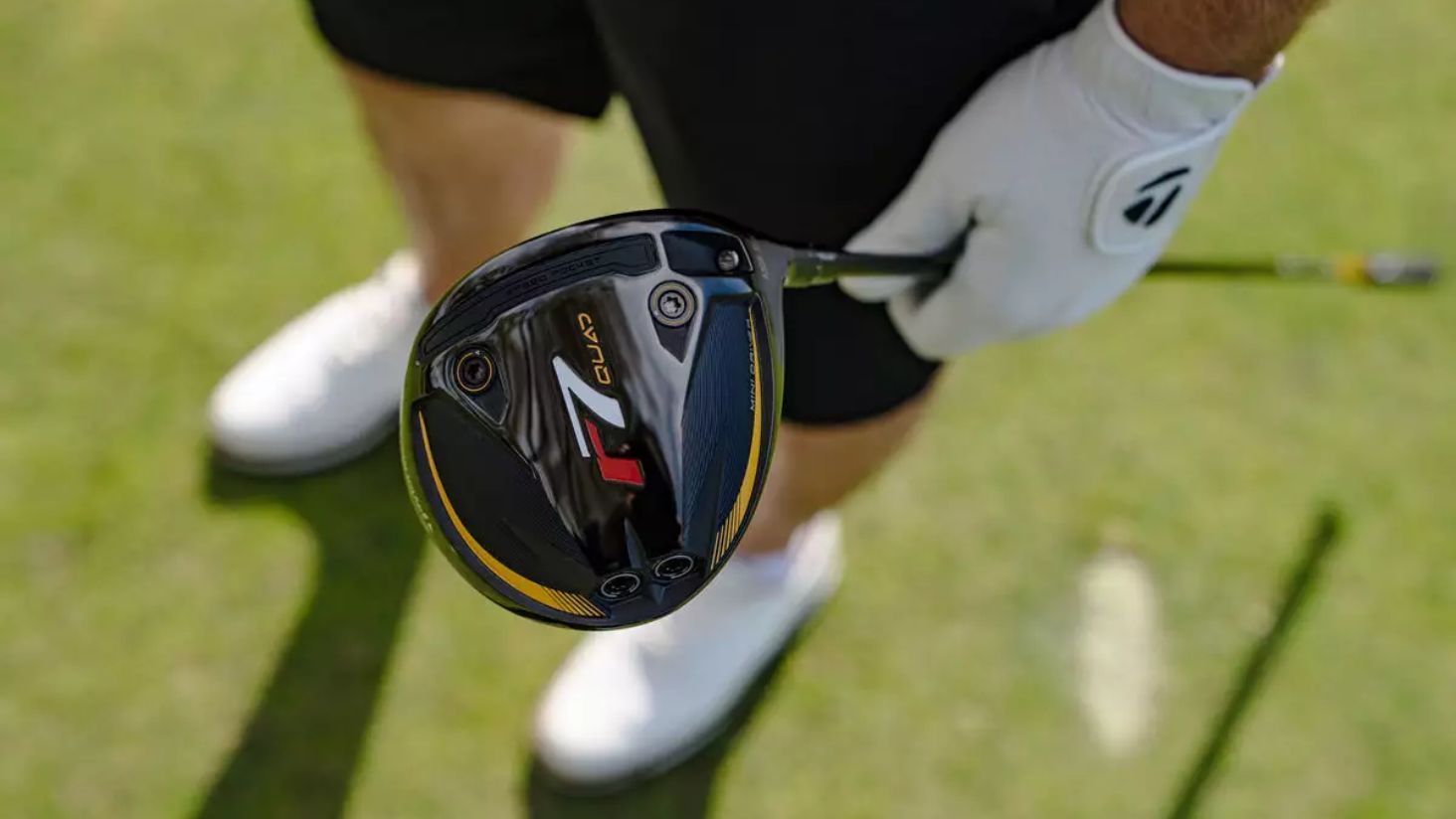
The legacy of the R7 lives on in two ways in 2026: Conceptually, Cobra’s FUTUREFIT33 system is the logical evolution of this idea—more consistent, more flexible, and more precise. And quite literally: TaylorMade itself has launched the R7 Quad Mini-Driver, a modern homage to the classic. With a 305 cc head volume, four adjustable weights, an Infinity Carbon Crown, and proven technologies like Twist Face and Speed Pocket—it’s a club that carries history and delivers modern performance.
Read more: TaylorMade R7 Quad Mini-Driver: Iconic Design Meets Modern Technology.
TaylorMade Burner – The People’s Driver of a Generation
For many golfers, the TaylorMade Burner of the late 2000s and early 2010s was the first truly high-performance Driver. Lightweight, forgiving, long-hitting—and at a price that appealed to the masses. The Burner shaped a generation of amateur golfers.
Today, a used Burner is, at best, an entry-level option for absolute beginners—or a nostalgic choice. If you’re looking for an older Driver model with better technology and still want to save money, the TaylorMade SIM2 is a much better choice: It offers a real technological leap forward compared to the Burner, is available used for around 250–300 euros, and will still hold its own against current models even in 2026. Read more: TaylorMade SIM2 Driver: Why It’s Still Worth Buying Today.
TaylorMade M2 – The Model Everyone Wanted
In 2016 and 2017, the TaylorMade M2 was the world’s best-selling Driver model. Speed Pocket, Twist Face, a carbon crown, and forgiveness that was impressive by the standards of the time made it a favorite among amateur golfers worldwide.
Today, about ten years later, you can find a used M2 for under 100 euros. For absolute beginners, that’s tempting—but here, too, the same rule applies: technology has advanced significantly. If you want to enjoy the game for the long term, you should consider the SIM2 or a current entry-level model. The M2 is a piece of golf history—not a purchase for 2026.
TaylorMade M2 Driver: A Cult Classic—Is It Still Legal?
Which Brand Is Right for You? A Decision-Making Guide
| Profile | Recommendation |
|---|---|
| Maximum Customizability, Tech-Savvy | Cobra OPTM or DS-Adapt |
| Feel, precision, independence | Mizuno JPX One |
| Maximum forgiveness at a fair price | Wilson Dynapwr Max / Max+ |
| Pre-owned clubs with great technology | TaylorMade SIM2 (used) |
| A great entry-level option from a top brand | Callaway Big Bertha |
| History and control combined | TaylorMade R7 Quad Mini-Driver |
Frequently Asked Questions (FAQ)
What is the difference between the Cobra OPTM and the Cobra DS-Adapt?The DS-Adapt series is the previous generation and is particularly attractive on the used market today. The OPTM series is the current flagship and introduces a new dimension of stability with its POI design. Both series use the FUTUREFIT33 hosel system.
Is a Mizuno driver suitable for beginners? The JPX One (Standard) is well-suited for mid-handicap players who value stability and feel. For absolute beginners, game-improvement drivers from other manufacturers with a stronger Draw bias and greater forgiveness are often the better first choice.
What does “Wilson Staff” mean in the context of golf drivers? “Wilson Staff” refers to Wilson Golf’s premium line—that is, clubs designed for ambitious amateurs and professional players. The Dynapwr driver series falls into this category.
What is the Big Bertha? The Big Bertha is a Callaway Driver that revolutionized the market in 1991. Today, the name is positioned as an entry-level model within the Callaway family. Technologically, it ranks below the Quantum series.
Is a TaylorMade R7 still worth it? The original R7 from 2004 is now mainly a collector’s item. The modern version—the R7 Quad Mini-Driver (2026)—is, on the other hand, a fully-fledged club featuring the latest technology and a compelling design.
Is the TaylorMade M2 still a good choice? For absolute beginners on a very tight budget, a used M2 can serve as a good starting point. However, anyone who wants to play long-term should invest in more modern technology—used models like the SIM2 offer significantly better performance for a reasonable additional cost.
What is the TaylorMade Burner Driver? The Burner was a very popular Driver model from the late 2000s and early 2010s. For today’s use, it’s technologically outdated—there are better alternatives on the used market as a beginner’s option.
Conclusion: The name on the clubhead doesn’t determine how well you hit the ball
Cobra, Mizuno, and Wilson prove that top-tier Drivers don’t necessarily have to be TaylorMade, Callaway, or Titleist. Anyone willing to question their own brand bias—ideally as part of a professional Driver fitting—will discover that the best Driver isn’t the most famous one. It’s the one that best suits your own swing.
And sometimes that’s a Cobra OPTM with 33 adjustment options, a Mizuno JPX One with a clubface developed in a baseball lab, or a Wilson Dynapwr Max+ with 10K MOI—all at a price the “Big Three” can’t even come close to matching.

Brandname
Title will go here and can run on two lines
Brandname
Title will go here and can run on two lines
Brandname
Title will go here and can run on two lines
Brandname
Title will go here and can run on two lines
Brandname
Title will go here and can run on two lines
Brandname
Title will go here and can run on two lines
Brandname
Title will go here and can run on two lines
Brandname
Title will go here and can run on two lines
Release date
17 Aug 2026
photos
The Mizuno JPX One drivers aren't as well-known as other models, but they're still worth a closer look. (Photo: Mizuno)