
Where are TaylorMade golf clubs manufactured? An overview of production
TaylorMade designs its golf clubs in California—but manufacturing takes place worldwide. Where clubheads, shafts, and golf balls are actually produced.
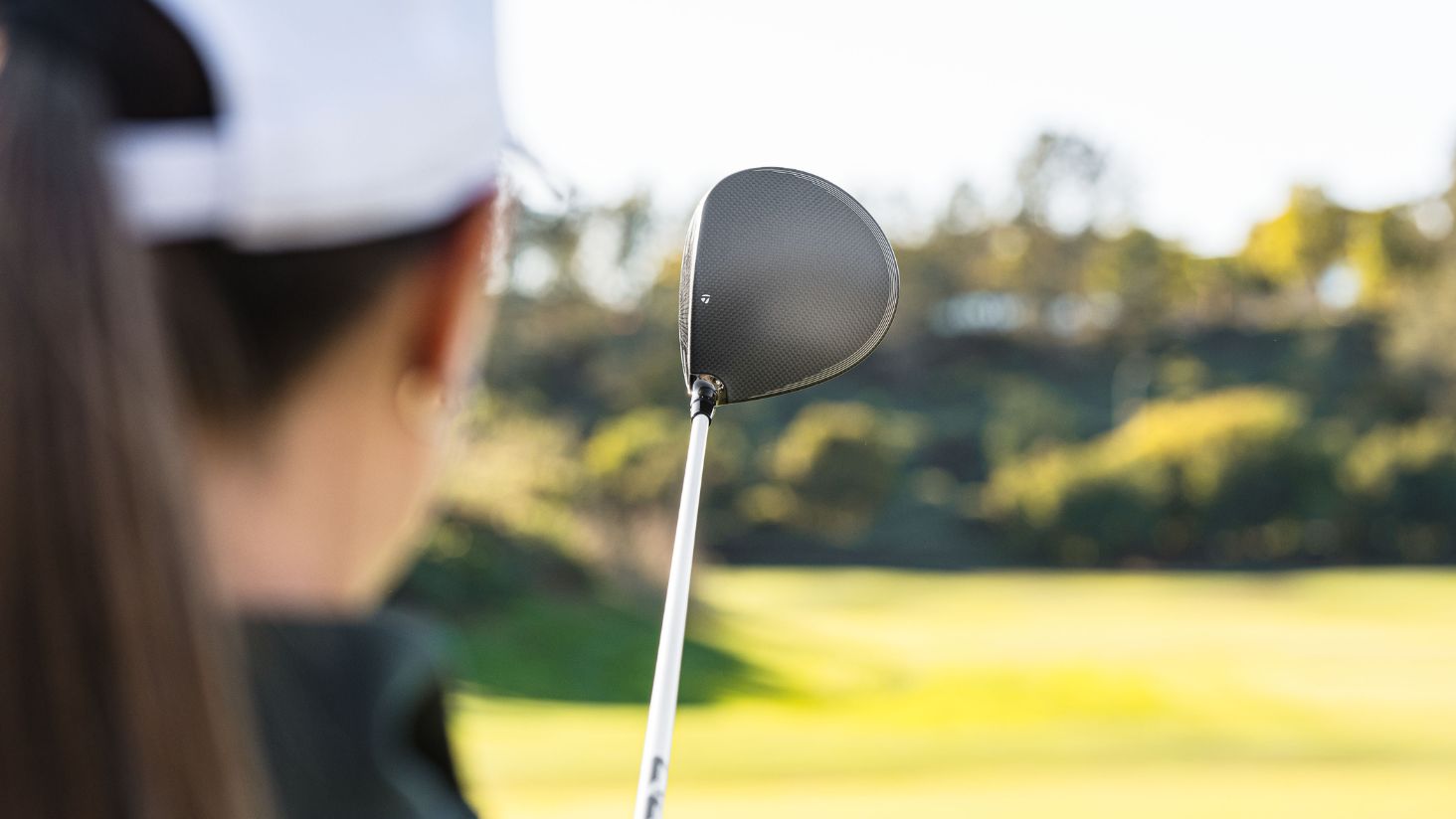
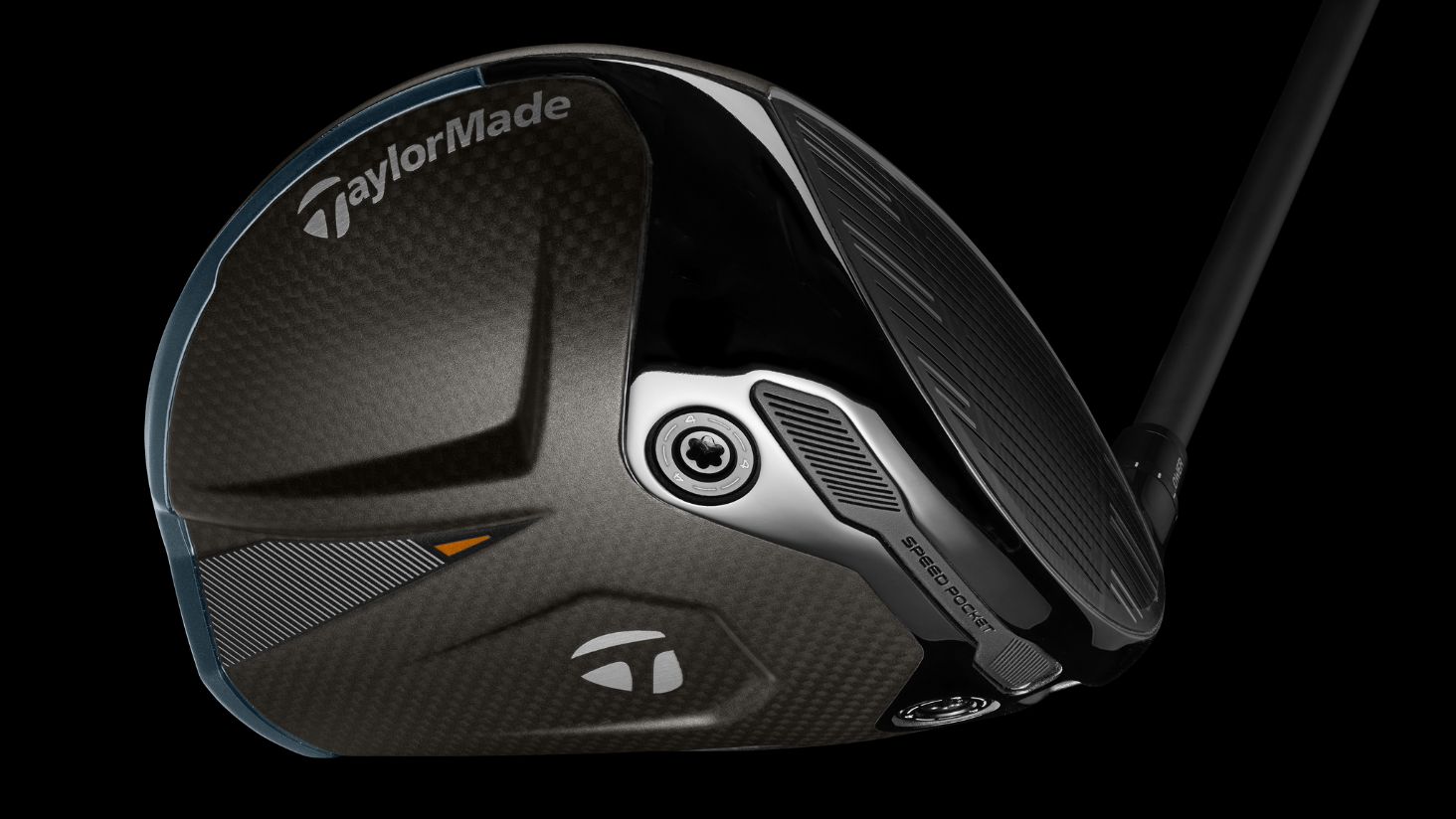
TaylorMade develops and designs its clubs in Carlsbad, California—but the components are primarily manufactured in Asia, mainly in China and Vietnam. Depending on the model, final assembly takes place either in Asia or in Carlsbad. TaylorMade produces golf balls in Liberty, South Carolina, and South Korea.
Anyone holding a TaylorMade club in their hands is holding the result of a global supply chain—and that’s not a flaw, but by design. Like almost all major golf brands, TaylorMade deliberately separates the individual steps of production: design and research in one location, component manufacturing in another, and assembly in a third. Here, we’ll explain what this means for quality—and what the “Made in USA” label really signifies.
The nerve center: Carlsbad, California
The most important location in the TaylorMade universe is Carlsbad, a city in San Diego County, California. This is where the corporate headquarters is located—and thus also the heart of the product and engineering work.
The following are developed in Carlsbad:
- club designs and prototypes
- Performance labs equipped with high-speed cameras, robotic swings, and analysis systems
- Direct interaction with tour players, whose feedback shapes the final products
- Final assembly of many custom orders for the U.S. market and tour professionals
Carlsbad is the brain of the operation. There, engineers determine exact geometries, wall thicknesses, centers of gravity, and sound characteristics—before a single club goes into production. These parameters are then passed on as precise specifications to manufacturing partners worldwide.
Clubhead Manufacturing: China and Vietnam
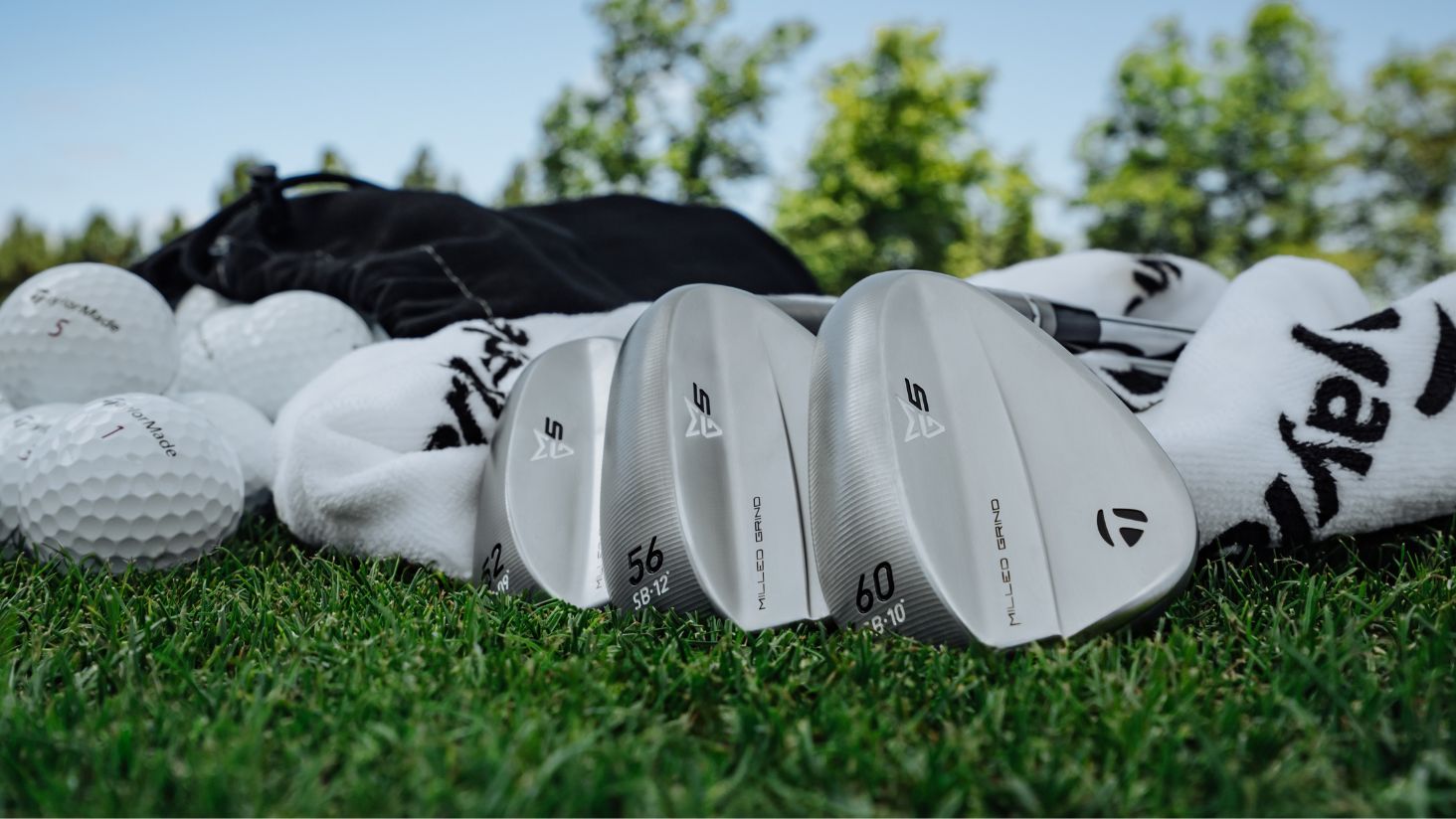
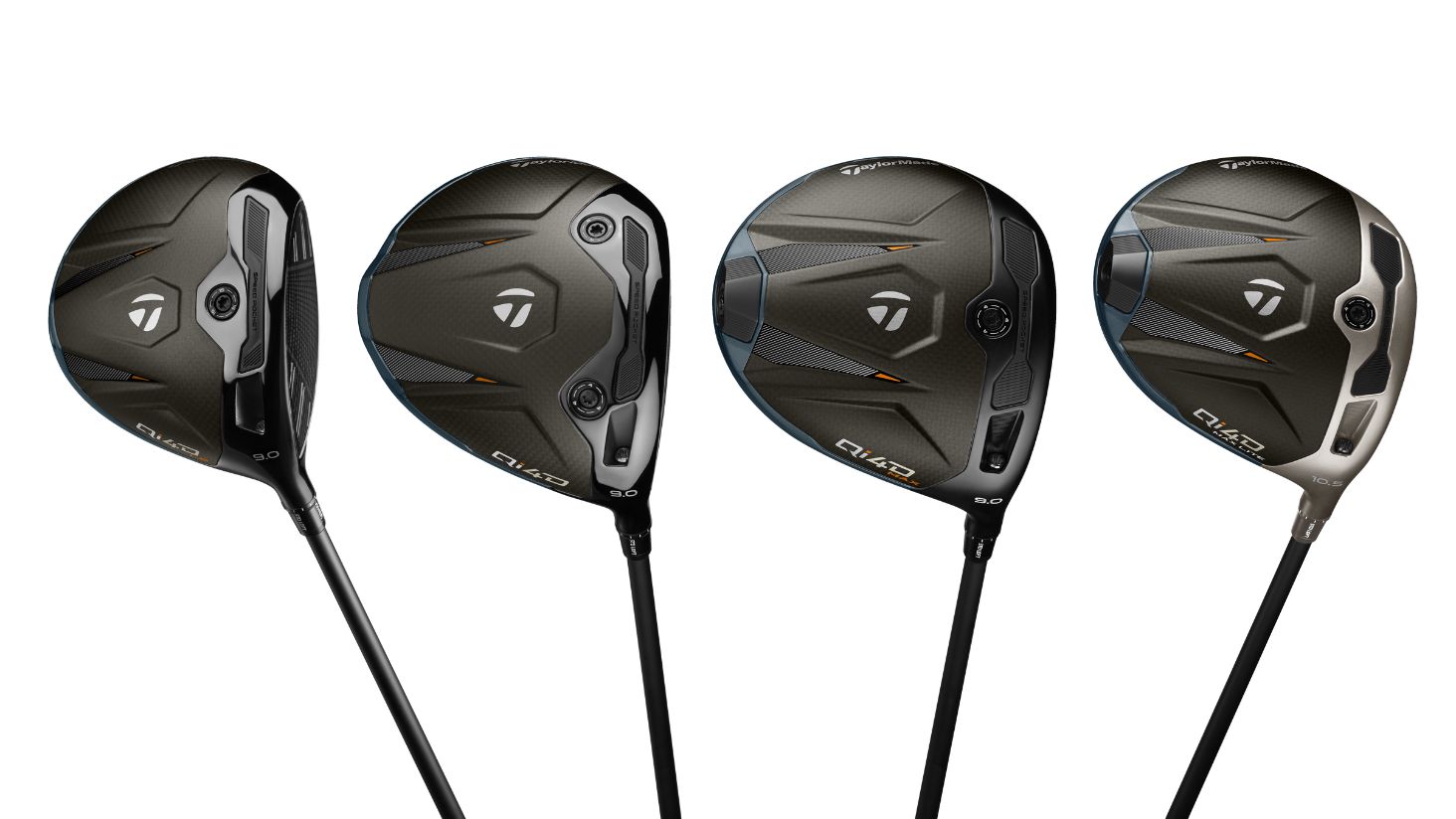
Clubhead production—that is, the physical manufacturing of metalwoods, Irons, Wedges, and putter heads—takes place primarily in China and Vietnam. There are specific reasons for this:
Specialization: These manufacturing regions have decades of experience with precision casting, forging processes, multi-material bonding, and carbon composite manufacturing—exactly the technologies required for modern golf clubs.
Infrastructure: Foundries, forging presses, robotic systems, and laser welding cells are concentrated in these regions and designed for the highest precision.
Quality control: TaylorMade mandates tight tolerances for loft, lie, wall thickness, and head weight. The partner factories conduct ongoing measurement processes to ensure that every clubhead meets specifications.
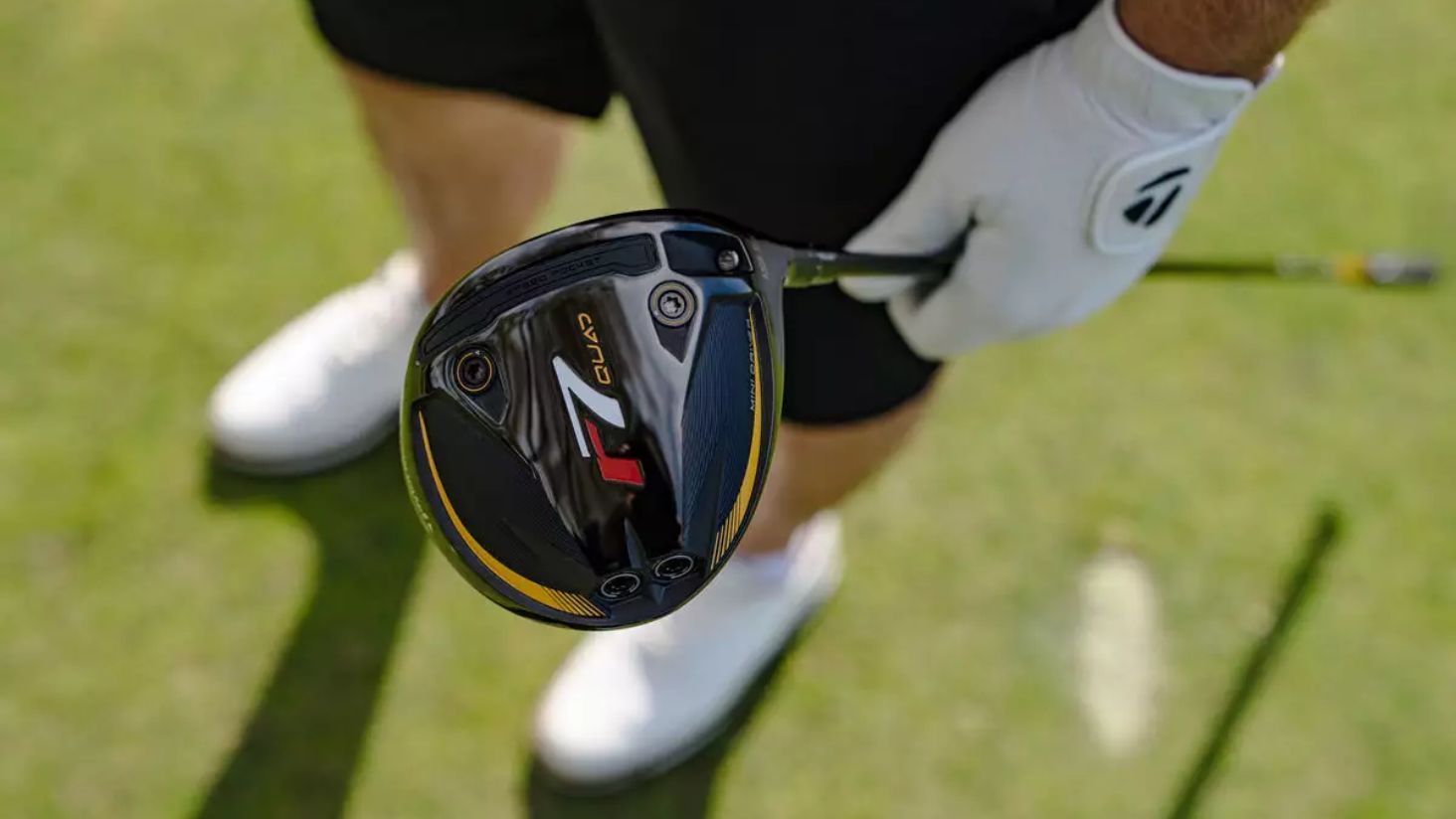
For carbon-crown models—such as many current generations of Drivers—the composite components are also produced in Asia and then bonded to titanium or steel structures under heat and pressure.
Learn here how to properly care for your golf clubs.
Shafts and Grips: Global Specialists
TaylorMade does not supply shafts and grips itself—they are sourced from leading specialists:
- Shafts: Fujikura, Mitsubishi, Project X / True Temper, Graphite Design, and others. Depending on the model, these come from Japan, China, Vietnam, or Mexico.
- Grips: Brands such as Golf Pride, Lamkin, and SuperStroke manufacture their products primarily in Asia.
This isn’t a TaylorMade-specific approach—nearly every golf brand works with the same specialists. The advantage: golfers have a wide selection of shaft characteristics and grip options that can be precisely tailored to their game.
Who owns TaylorMade? Find out here.
Final Assembly: Carlsbad for Custom Models, Asia for Many Production Models
When it comes to final assembly—the process of joining the clubhead, shaft, and grip to create the finished club—TaylorMade distinguishes between two approaches:
Custom orders and Tour models are often assembled in Carlsbad. This enables rapid production following fittings, precise loft and lie adjustments, and customized shaft and grip configurations.
Mass-produced models are often assembled in Asia—near the component manufacturing facilities—and then shipped to global distribution centers. This reduces lead times and logistics costs for standard configurations.
In both cases, the same quality standards apply: epoxy curing, torque control, swing weight testing, length control, and visual inspection prior to packaging.
Golf balls: Liberty, South Carolina—and South Korea
While clubs are manufactured globally, TaylorMade has established a specialized infrastructure for its golf balls.
The golf ball plant in Liberty, South Carolina
Since 2013, TaylorMade has operated its own golf ball plant in Liberty, South Carolina—a small town with a population of about 3,200. What sounds modest is, in reality, a highly specialized production center: Millions of golf balls are produced here each year, including all models played on the PGA and LPGA Tours.
The production process in Liberty includes:
- Cast molding of the urethane core cover
- Multiple coating processes
- Stamping and finishing (including TP5/TP5x pix™ technology)
- Up to 100 quality checkpoints per ball—a combination of automation and manual inspection
“From start to finish, a golf ball goes through up to 100 quality checkpoints here at Liberty,” explains Scott Austin, the plant’s operations manager. Cores and cover layers are manufactured in advance in Taiwan or South Korea and then further processed at Liberty.
Notably, all TaylorMade balls for the professional circuit—whether the PGA Tour or LPGA Tour—pass exclusively through Liberty. These balls meet the same specifications as retail models but undergo additional, separate testing for size, weight, compression, and appearance.
Learn here how a golf ball is made.
The Plant in South Korea
To meet global demand and facilitate regional distribution, TaylorMade also operates a ball manufacturing plant in South Korea. This plant became part of the company in 2021 as part of the acquisition by Centroid Investment Partners. It produces balls for the regional market as well as components that are shipped to Liberty.
“Made in the USA” vs. “Assembled in the USA”—what does that really mean?
You’ll find various origin labels on clubs and packaging—and they mean different things:
- “Assembled in the USA”: Components come from various countries; final assembly took place in the USA.
- “Made in China / Vietnam”: Both manufacturing and assembly took place in that country.
- Shaft and grip markings: These refer only to the origin of that specific component.
For many TaylorMade clubs, this means: Designed in Carlsbad. Components from Asia. Assembled in Carlsbad or Asia—depending on the model and configuration.
You can find everything about a golf ball’s weight, size, and number of dimples here.
Does the place of manufacture make a difference?
The more important question than “Where?” is: “How strictly are quality controls enforced?” TaylorMade adheres to uniform standards across all locations:
- Tolerances for loft, lie, and head weight
- Wall thickness and COR (coefficient of restitution) checks
- Swing weight and length testing
- Epoxy curing standards
- Visual inspection prior to packaging
In practice, this means: The performance of a TaylorMade club does not depend primarily on which continent it was assembled on—but rather on whether the manufacturing specifications were met. Tour pros rely on equipment from this very global supply chain. That speaks for itself.
Frequently Asked Questions About TaylorMade Manufacturing (FAQ)
Are TaylorMade drivers manufactured in the U.S.? TaylorMade drivers are developed and engineered in the U.S. The clubhead components come primarily from China and Vietnam. Final assembly takes place either in Carlsbad, California (primarily for custom orders), or in Asia (for many production models).
Where are TaylorMade irons manufactured? Similar to the woods: iron heads are primarily manufactured in Asia; custom orders are often assembled in Carlsbad, while mass-produced models are usually assembled in Asia.
Are TaylorMade golf balls really made in the U.S.? The premium models, such as the TP5 and TP5x, are finished at the factory in Liberty, South Carolina. However, the cores and cover layers come from Taiwan and South Korea. Some entry-level balls are produced entirely in Asia.
How can I find out where my TaylorMade club was manufactured? Check the hosel or the sole of the club—a country-of-origin mark is often engraved there or affixed as a sticker. Alternatively, the serial number can help: TaylorMade customer service can usually provide information about the place and date of manufacture using this number.
Do tour pros get clubs from special factories? Generally, no. Tour clubs are based on the same basic designs as retail models. However, they are often selected by the tour department according to tighter tolerances and assembled with player-specific configurations.
Brandname
Title will go here and can run on two lines
Brandname
Title will go here and can run on two lines

Brandname
Title will go here and can run on two lines
Brandname
Title will go here and can run on two lines
Brandname
Title will go here and can run on two lines
Brandname
Title will go here and can run on two lines
Brandname
Title will go here and can run on two lines
Brandname
Title will go here and can run on two lines
Brandname
Title will go here and can run on two lines
Brandname
Title will go here and can run on two lines
Release date
01 Jul 2026
photos
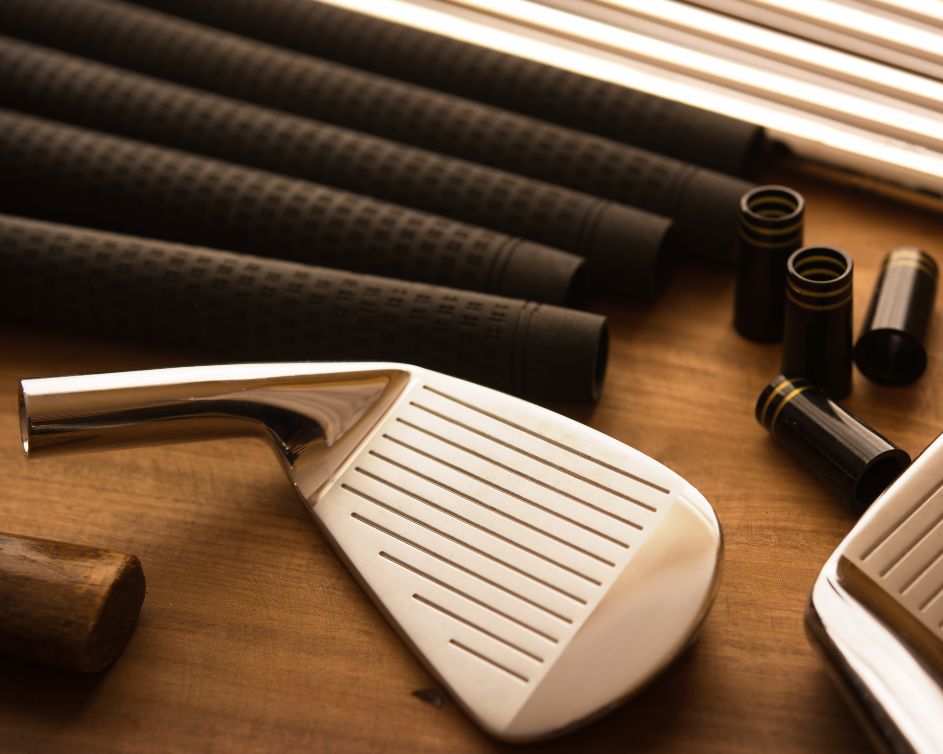
A TaylorMade golf club is usually manufactured at various locations. (Photo: Adobe Stock)