US Masters: The beginnings of the world's most famous golf tournament
How defiance became the most prestigious tournament in the world: Learn all about the origins of the US Masters at the legendary Augusta National Golf Club.
The Augusta National Golf Club, now glorified to almost mystical significance as the Masters, owes its origins, piquantly, to the stubbornness of the US Golf Association (USGA), climatic peculiarities and the stubbornness of Bobby Jones and Clifford Roberts. The founding fathers of Augusta National wanted to host the US Open on their beautiful new course. However, this has always taken place in June or July - a time of year when Georgia groans under extremely humid heat. And because the USGA simply wouldn't allow a change of date, Roberts suggested to his partner: "Then we'll just do our own thing and invite the world's best players, the Masters. Oops, USGA!" The first "own thing" was held on March 22, 1934, and at some point the date settled on the first full week in April.
Here you can find the leaderboard of the US Masters 2026.
Name dispute and the path to major status at the US Masters
It is often said that 2026 will be the 90th US Masters in golf. But strictly speaking, that's not true. The prestigious tournament has only been called the Masters since 1939. Before that, it was held for five years as the "Augusta National Invitational". Roberts' title proposal to host a "Masters" did not appeal to Jones at all. The world's best golfer of his time, if not of all time, a man of modest disposition, found the name too pretentious, too ostentatious. Although still an invitational tournament in essence, it would actually only be the 85th Masters in 2026. The Masters is often mistakenly regarded as the youngest of the four golf majors. But the premiere year of 1934 is deceptive.
In the early years of Augusta, alongside the Open Championship on the Scottish links courses (since 1860) and the US Open (since 1895), the respective amateur championships were considered the most famous and most important tournaments for a player's career. The PGA Championship in particular, which has been held since 1916, only gained its major aristocratic status when Arnold "The King" Palmer named it in the same breath as the two professional Opens and the Masters in 1960. After his triumphs at the Masters and the US Open that year, he wanted to create a Grand Slam à la Bob Jones, but for professionals and above all for himself. Palmer was the dominant player of those years and playing golf tournaments had finally become a full-time job.
Retirement after the Grand Slam
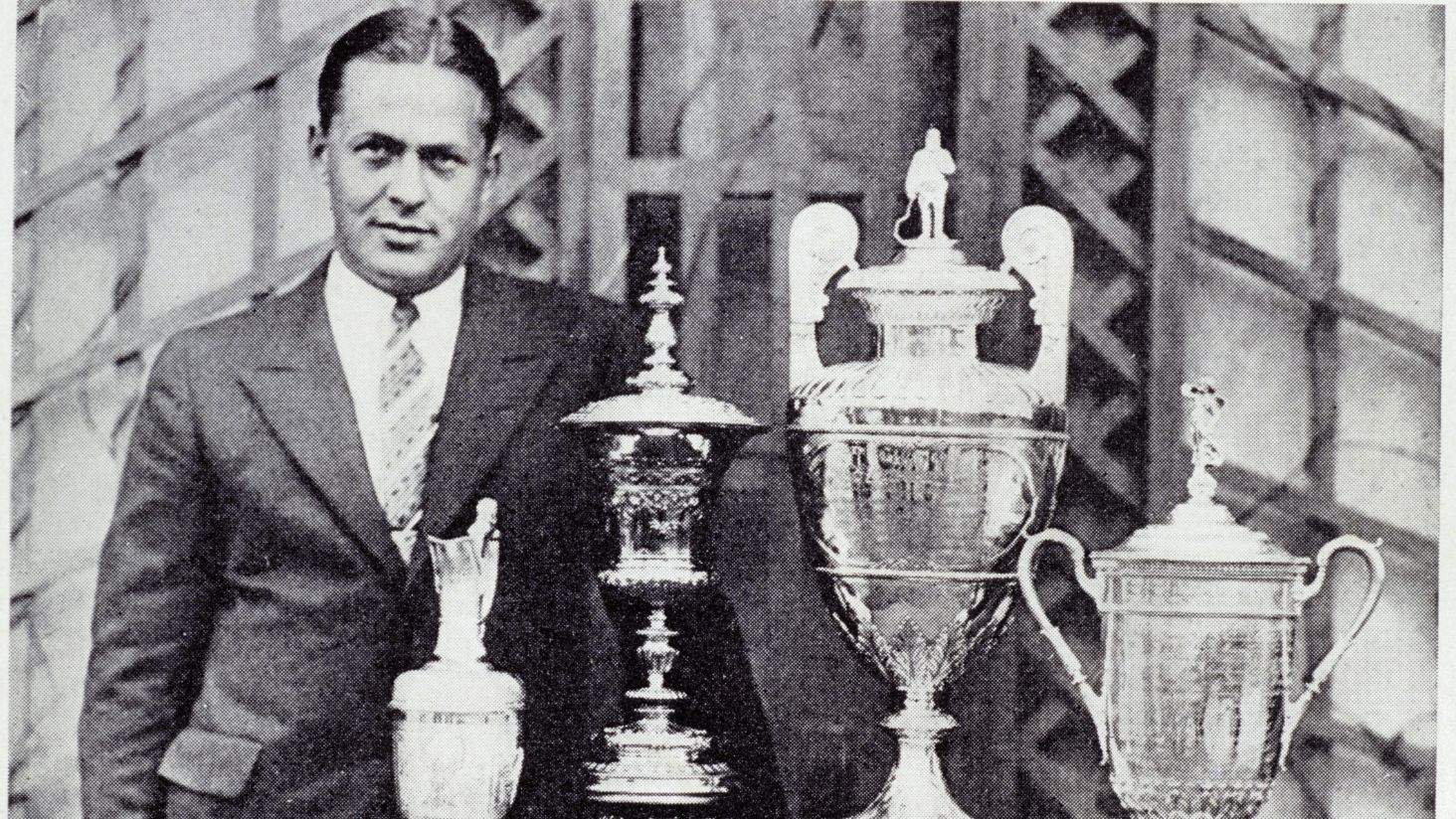
Bob Jones is the only golfer to date to have won all four majors in one and the same year. that was in 1930. Two months after completing this classic Grand Slam at the "US Amateur" in Merion (September 27, 1930), the staunch amateur sportsman ended his career. It was his 13th major victory, and from then on he only wanted to devote himself to his family, his golf business and his law firm in Atlanta. Incidentally, the term Grand Slam is a "copyright" infringement: golf journalist O. B. Keeler, who accompanied Bobby Jones from his youth, borrowed the vocabulary from the terminology of the card games bridge and whist (Grand Slam). You can't blame him after he had previously used the tongue twister "Impregnable Quadrilateral of Golf". You can't write headlines with a word monster like that.
Home of the US Masters: Augusta National Golf Club
A few weeks after his retirement, stockbroker Clifford Roberts, who knew Jones' dream of the ideal golf course, showed his friend the almost 150-hectare property in Augusta. "It seemed to me that the land was just waiting for someone to build a golf course here," Jones noted in his autobiography "Golf is my Game". 70.000 dollars was the price tag for the land, which lay fallow after inheritance disputes and a failed hotel project. The idea was to create "a sanctuary" that would "offer wealthy gentlemen with a connection to golf the special luxury of being able to retreat and enjoy the game with like-minded people from all over the country", Jones wrote. He and Roberts raised the money for this retreat in Georgia's temperate winter climate, complete with championship-caliber golf course, from their contacts.
From the indigo plantation to the botanical jewel of Augusta National Golf Club
In the 19th century, indigo plants still grew where what is probably the best-manicured and certainly the most flowery and flower-colored golf course in the world is today. A certain Dennis Redmond made some money with the raw material for the precious blue dye and adorned his plantation with the first cement building in the American South in 1854. Later, the Berckmans lived in the manor house. Father Louis Mathieu Edouard, a Belgian baron who emigrated to the USA, and his son Prosper Jules Alphonse ran a horticultural and nursery business and imported all kinds of peach varieties from Europe, for example. This is why Georgia is also known as "The Peach State". The Berckmans' cultivated all the flora in "Fruitland" that later gave their names to the golf courses at Augusta National. In keeping with this, a splendid and enchanting flora of azaleas, magnolias and so on blooms around the playing fields every year for the tournament ... If necessary, the magnificent flowers are helped to unfold on time using hot air blowers.

Dr. Alister MacKenzie: The architect behind the US Masters course
Bob Jones, the sporting director so to speak of the ambitious undertaking, engaged the Scotsman Dr. Alister MacKenzie as the master builder for Augusta National. The trained physician was a really big name among golf course architects at the time, the creator of such magnificent courses as Lahinch in Ireland, Cypress Point and Pasatiempo in California and Royal Melbourne. And because "no one can learn how to design a course just because they play golf so well", and also because MacKenzie promised low-cost construction in the aftermath of the Great Depression, Jones took on the role of assistant and used club and ball to calibrate what "The Good Doctor" had specified on paper. augusta National opened in 1933, but MacKenzie did not live to see the first major event on his masterpiece: he died in January 1934, two months before the premiere of the "Augusta National Invitational". After countless alterations, little remains of the original concept of the two master builders other than the basic alignment of the individual golf courses.
(Text: Michael Basche)
Brandname
Title will go here and can run on two lines
Brandname
Title will go here and can run on two lines

Brandname
Title will go here and can run on two lines
Brandname
Title will go here and can run on two lines
Brandname
Title will go here and can run on two lines
Brandname
Title will go here and can run on two lines
Brandname
Title will go here and can run on two lines
Brandname
Title will go here and can run on two lines
Brandname
Title will go here and can run on two lines
Brandname
Title will go here and can run on two lines
Release date
05 Apr 2026
photos
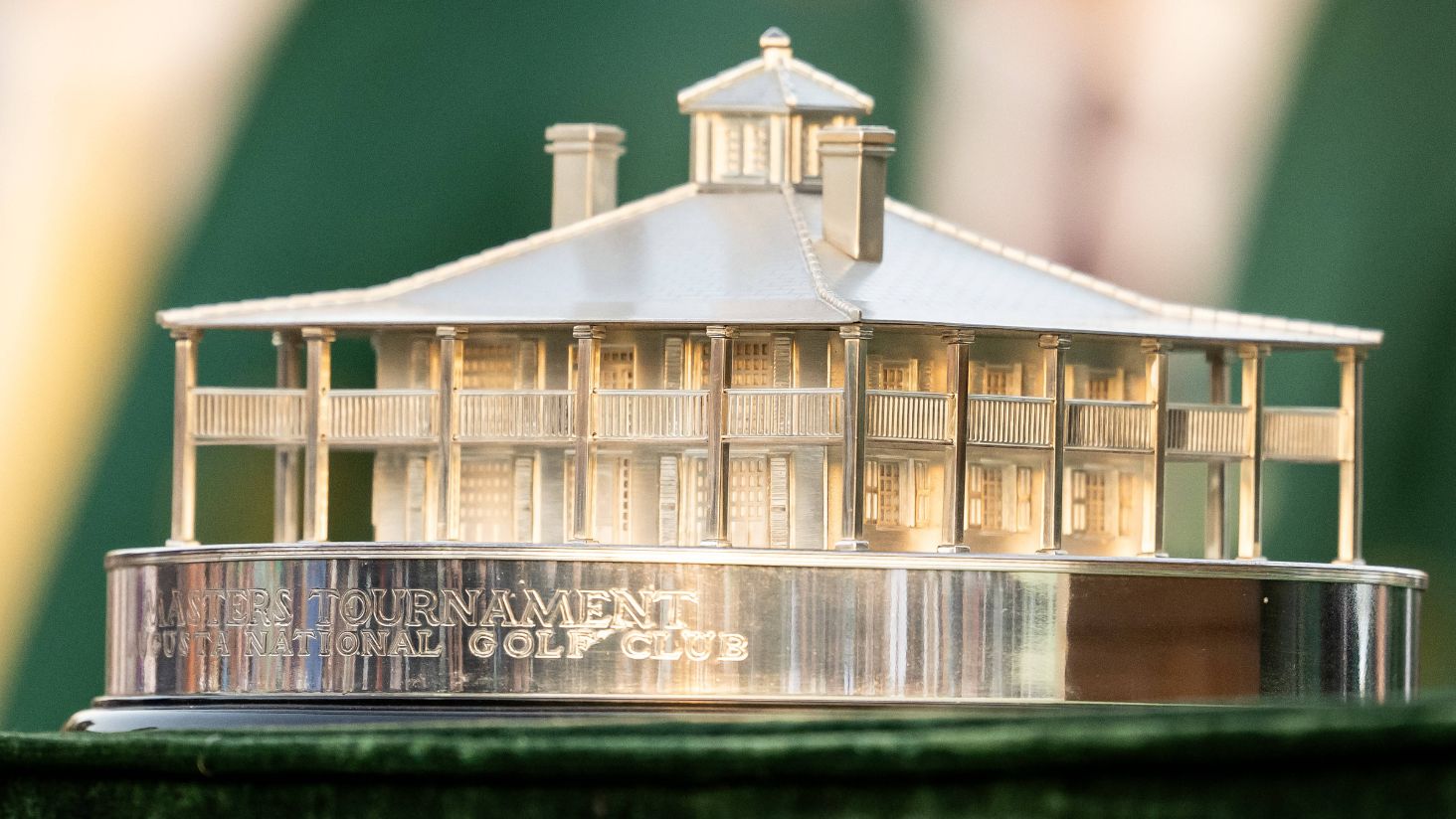
Over the years, the US Masters has developed into the most famous golf tournament in the world. (Photo: Imago / Sammy Minkoff)