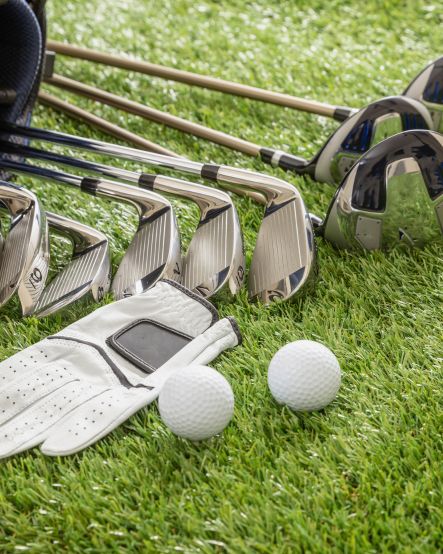
What kinds of golf clubs are there? An overview of all club types
What kinds of golf clubs are there? Get an overview of all club types, from Drivers to Putters. What is loft, and what golf clubs do beginners need?
Anyone who is just discovering the fascination of golf or wants to strategically take their game to the next level will quickly face a fundamental question: What kinds of golf clubs are there, and what are the different models used for on the course? The selection in a golf bag—known in technical jargon as a “bag”—may seem complex at first glance. According to the official rules, golfers are allowed to carry a maximum of 14 clubs on a round.
In this guide, you’ll find a structured explanation of golf clubs and learn in detail what types of golf clubs are available and how to optimally assemble your equipment for every playing situation.
The Structure of a Golf Club, Simply Explained
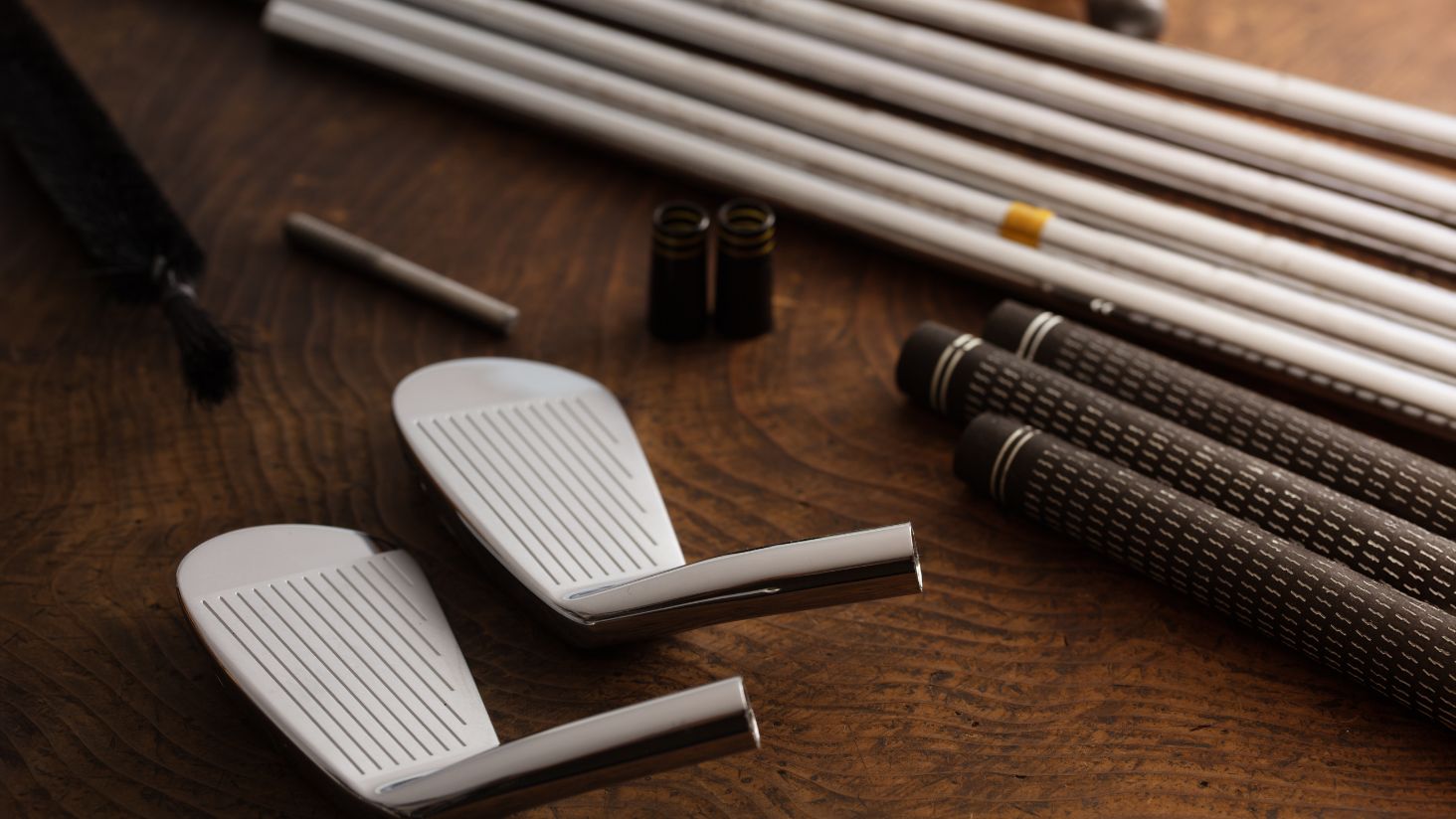
Before we take a closer look at the different types of clubs, it’s worth examining the basic anatomy of a club. Every golf club consists of three main components: the clubhead, the shaft, and the grip.
What is a Birdie in golf? Find out here.
Clubhead, Shaft, and Grip: How They Work Together
- The clubhead: It strikes the golf ball at the moment of the swing. Depending on the type of club, the head varies significantly in shape, material (such as titanium, carbon fiber, or stainless steel), and volume.
- The shaft: It forms the connection between the grip and the clubhead. Shafts are usually made of graphite or steel. Graphite shafts are lighter and often provide more swing support, while steel shafts allow for greater feedback and precision. The connection between the shaft and the clubhead is called the hosel.
- The club grip: As the direct connection to the golfer’s hands, the grip significantly influences control over the clubface. Grips that are too thick or too thin can affect wrist closure and thus cause unwanted curved ball flights.
What does “loft” mean in golf clubs?
A key term in club selection is “loft.” This refers to the angle of the clubface in degrees. There’s a simple rule of thumb:
- Low loft (low degree): The ball flies flatter, usually rolls farther, and achieves a greater total distance.
- High loft (high degree): The ball rises steeply into the air, travels a shorter distance, and comes to rest quickly on the grass after landing.
What is a Bogey in golf? Find out here.
What types of golf clubs are there? The 6 main categories
Regardless of manufacturer and model, the clubs used on the course can be divided into six main categories. Below is a clear overview answering the question: Golf clubs—what kinds are there?
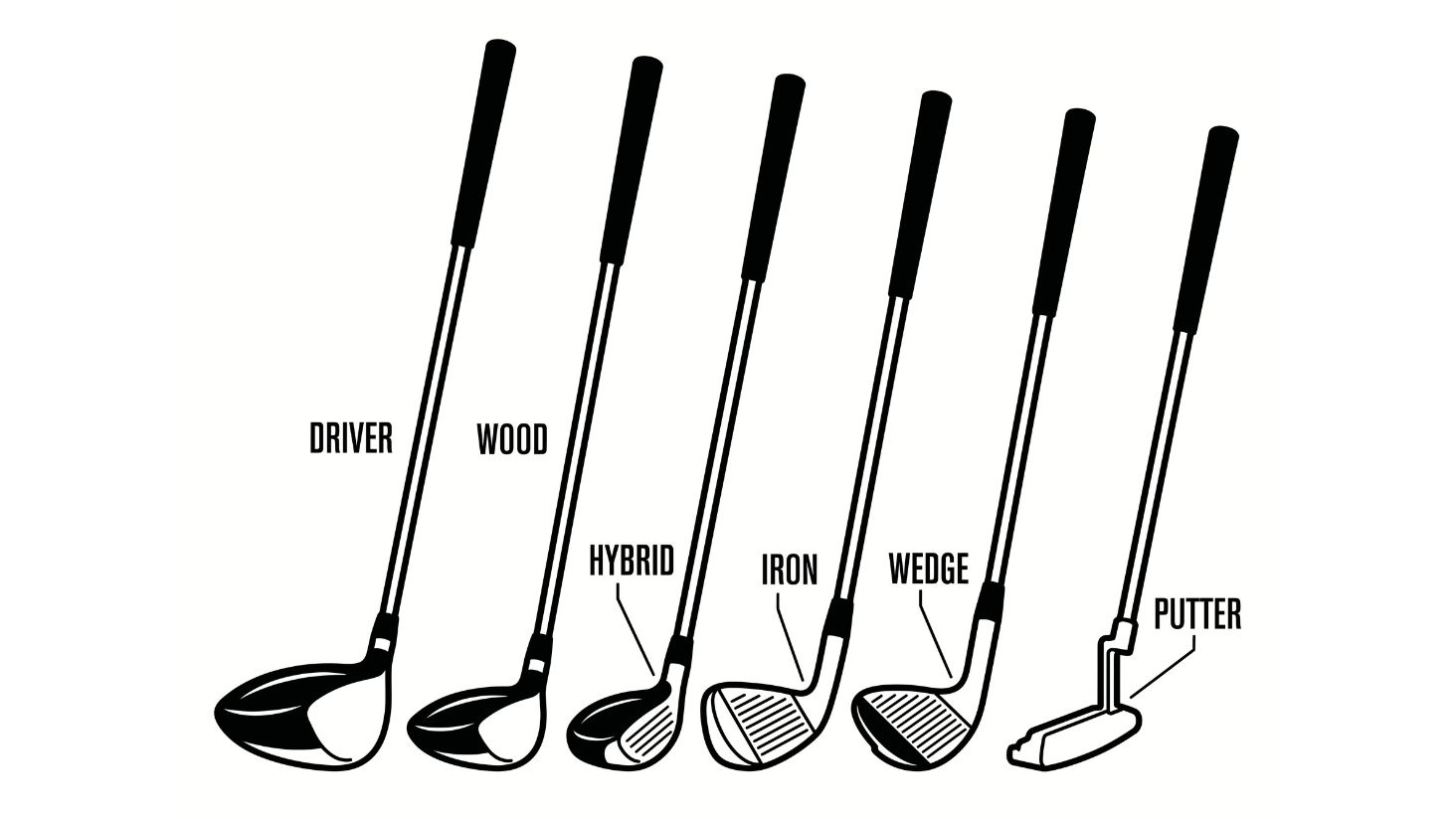
1. Woods & Drivers: Maximum Distance Off the Tee
Woods owe their name to traditional wooden construction methods. Although modern models have long been made of high-tech materials such as carbon and titanium, the category name has remained.
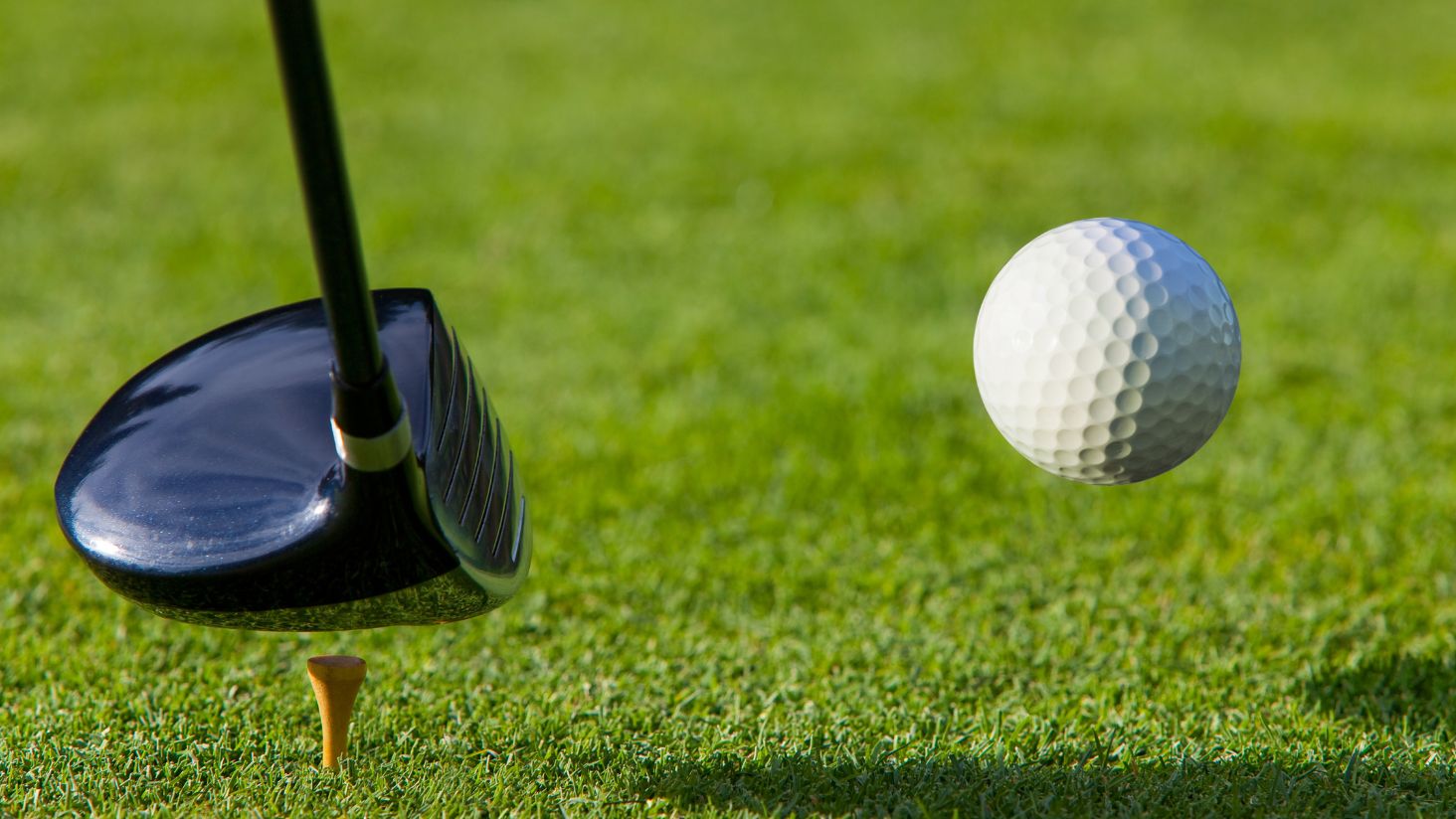
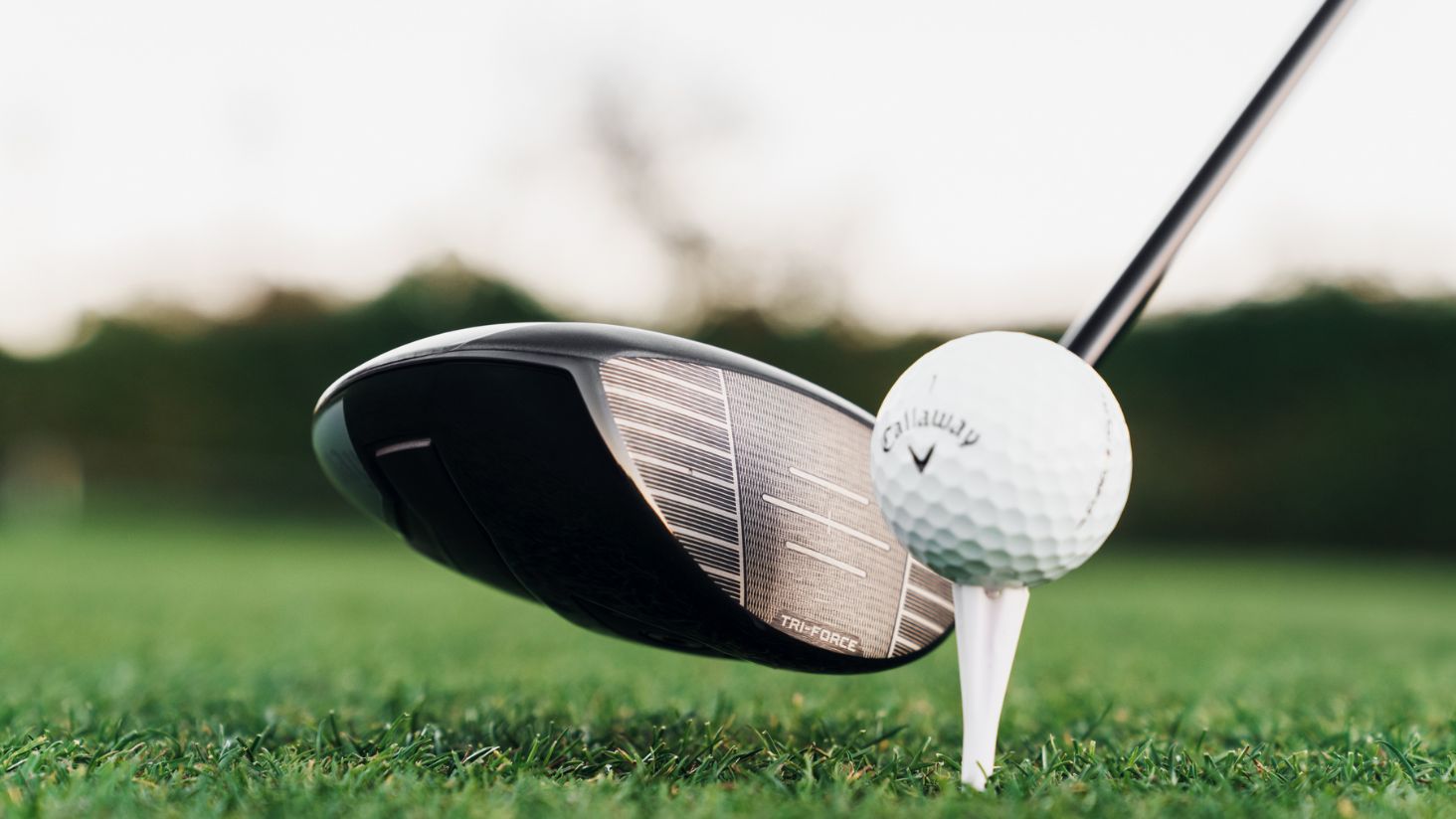
- The driver (No. 1 wood): It is the longest club in the bag with the largest clubhead (up to 460 ccm). After the Putter, the driver has the lowest loft (approx. 8.5° to 13°). It is played almost exclusively off the Tee (a small wooden or plastic peg) on long par-4 and par-5 holes. Since the ball is struck with a slight upward trajectory, this results in maximum flight distance with minimal spin.
- Fairwaywoods (e.g., 3-wood, 5-wood, 7-wood): These clubs have flatter heads than the Driver. They are suitable for both controlled tee shots and long carry shots directly from the short-cut grass (fairway).
- Mini-Driver: A compact, specialized club with a head volume between 275 and 340 ccm and a shorter shaft. The Mini-Driver serves as a precise “Fairway finder” for many golfers on narrow fairways.
What is a Driver? Read all the details here.
2. Hybrid Clubs (Rescue): A Practical Guide to Golf Clubs for Tough Situations
Hybrids are a successful cross between wood and Iron. They combine the forgiving clubhead design of wood with the precision and ease of use of Iron.
Hybrid clubs are the ideal problem solvers (hence the name “Rescue”). They’re used primarily when the ball is in tall grass (Rough) or when long distances to the green need to be covered. They often replace the difficult-to-hit long Irons—the 3- and 4-Irons.
3. Golf Clubs: Irons Explained—The Workhorse for Mid-Range Shots
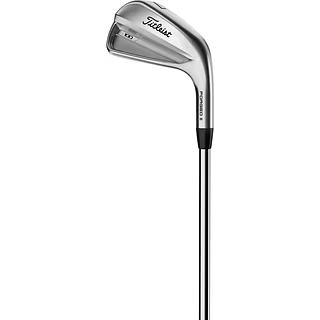
A detailed explanation of golf irons makes it clear that irons make up the bulk of the contents of most golf bags. They are designed for precise shots over medium distances.
The numbering traditionally runs from 1 to 9:
- Long irons (irons 1 through 4): Very low loft, flat trajectory, difficult to hit. These are mostly replaced by hybrid clubs these days.
- Mid-irons (irons 5 through 7): The all-around clubs for distances between approximately 110 and 150 meters (depending on individual performance). The 7-iron is considered the ideal club for beginners.
- Short irons (irons 8 and 9): High loft for steep flight paths and precise approaches to the green.
Numbering System: The higher the iron number, the greater the loft (angle of the clubface) and the shorter the shaft. A 9-iron therefore flies higher and shorter than a 5-iron but can be controlled with greater precision. The distance between two consecutive Irons is generally about 10 meters in flight distance.
The most important golf rules: Your guide to the golf course.
4. Wedges: Specialists for precise approach shots
Wedges are specially designed irons with a particularly high loft. They are used when the ball needs to rise steeply, clear obstacles such as trees or Bunkers, and stop quickly after landing on the green.
| Wedge Type | Abbreviation | Typical Loft | Primary Use |
|---|---|---|---|
| Pitching Wedge | PW | 44° – 48° | Approach shots to the green |
| Gap / Approach Wedge | GW / AW | 50° – 52° | Fills the gap between the PW and SW |
| Sand Wedge | SW | 54° – 58° | Bunker shots and short approach shots |
| Lob Wedge | LW | 60° – 64° | Extremely high trajectories over nearby obstacles |
5. Putter: A Detailed Explanation of the Club for the Green
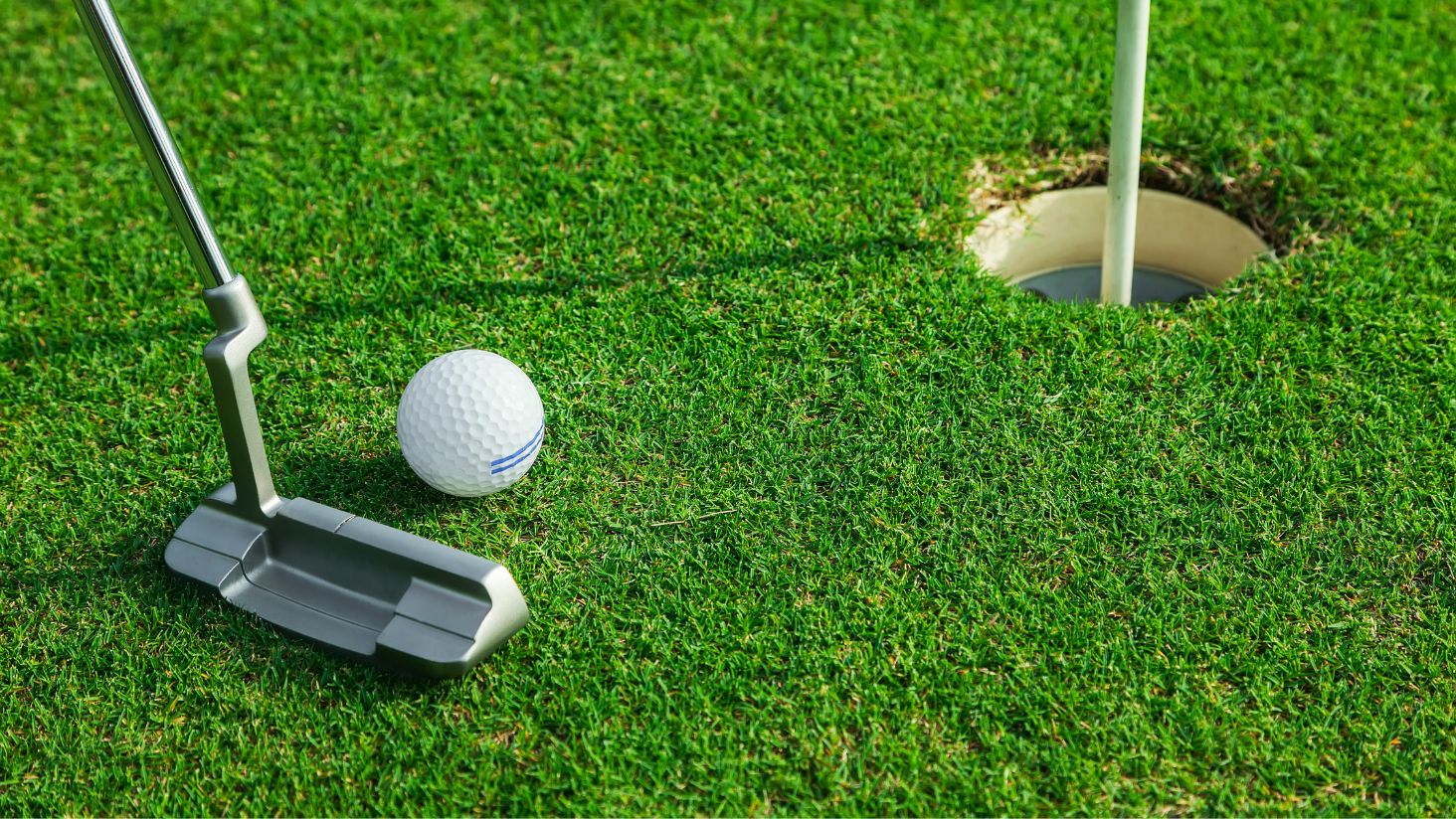
The putter is the most frequently used club in the bag: Over 40 percent of all shots in a round of golf are putts on the green. The goal of the putter is not to lift the ball into the air, but to roll it in a controlled, straight line across the grass into the hole.
An overview of the most important head shapes:
- Blade putter: Traditional, narrow shape. Offers experienced golfers excellent feel but is less forgiving of mis-hits.
- Mallet putter: Wide club head with a low center of gravity. Significantly increases stability on off-center hits and makes alignment easier.
- Half-Mallet Putter: The balanced compromise between compactness and forgiveness.
Putters are also classified by their weight balance: Face-balanced models are suitable for a straight swing path, while putters with toe hang support a slight arc in the swing.
What is a Putter? Learn more here about head shapes, physics, and roll phases in putting.
Overview Table: Club Types, Lofts, and Uses
To help you see at a glance what types of golf clubs are available and where their strengths lie, the following table summarizes all the key information:
| Club Type | Loft Range | Primary Ball Position | Typical Characteristic |
|---|---|---|---|
| Driver | 8.5° – 13° | Teeed up at the tee | Maximum distance |
| Fairwaywood | 13° – 25° | Tee Shot & Fairway | Long carry shots |
| Hybrid clubs | 17° – 32° | Rough, Fairway, tee | High Forgiveness |
| Iron (1 through 9) | 17° – 44° | Fairway, light Rough | Precise distance control |
| Wedges | 46° – 64° | Fairway, Bunker, approach shot | High trajectory, little roll |
| Putter | 3° – 4° | Green & approach area | Precise roll |
The Right Shaft Flex for Golfers
The shaft’s flexibility is referred to as “flex” and should match the golfer’s individual clubhead speed. A properly matched shaft creates a slight whiplash effect at impact, which generates additional distance:
- Ladies (L): Very flexible, soft shaft for slower swing speeds.
- Senior / Light (A/M): A slightly softer shaft for moderate swing speeds.
- Regular (R): The standard shaft for average swing speeds of beginners and recreational golfers.
- Stiff (S): A stiffer shaft for advanced players with a powerful swing.
- Extra Stiff (X): An extremely stiff shaft for professionals and very powerful amateurs.
What can you wear on the golf course? Find out here.
Buying Guide: How Golfers Put Together the Ideal Golf Bag
No one needs to own all 14 permitted clubs right at the start of their golfing career. The selection depends on your skill level and individual swing dynamics.
The ideal set for beginners
For your first steps on the course, a so-called beginner’s set or Half Set is perfectly sufficient. This typically includes:
- A Putter
- A sand wedge and a pitching wedge
- The mid-irons 7 and 9
- An easy-to-hit Hybrid or 5-wood

Expanding Your Set for Advanced Players
As you gain more playing experience and your swing speed becomes more consistent, it’s worth specifically filling in the gaps in your shot distances. A complete set usually includes a Driver, at least one Fairwaywood, one or two Hybrids, an Iron set (5-iron through pitching wedge), three matched Wedges, and a custom-fitted Putter.
Find out here which are the best Putter brands.
The Importance of a Professional Club Fitting
No two golf swings are alike. During a professional club fitting, experts use modern radar data to analyze your clubhead speed, ball contact, and launch angle. Based on this data, the shaft length, shaft flex, lie angle, and grip size are precisely tailored to your body. This results in noticeably greater precision and more enjoyment of the game.
FAQ – Frequently Asked Questions About Golf Clubs
What golf clubs are in a bag?
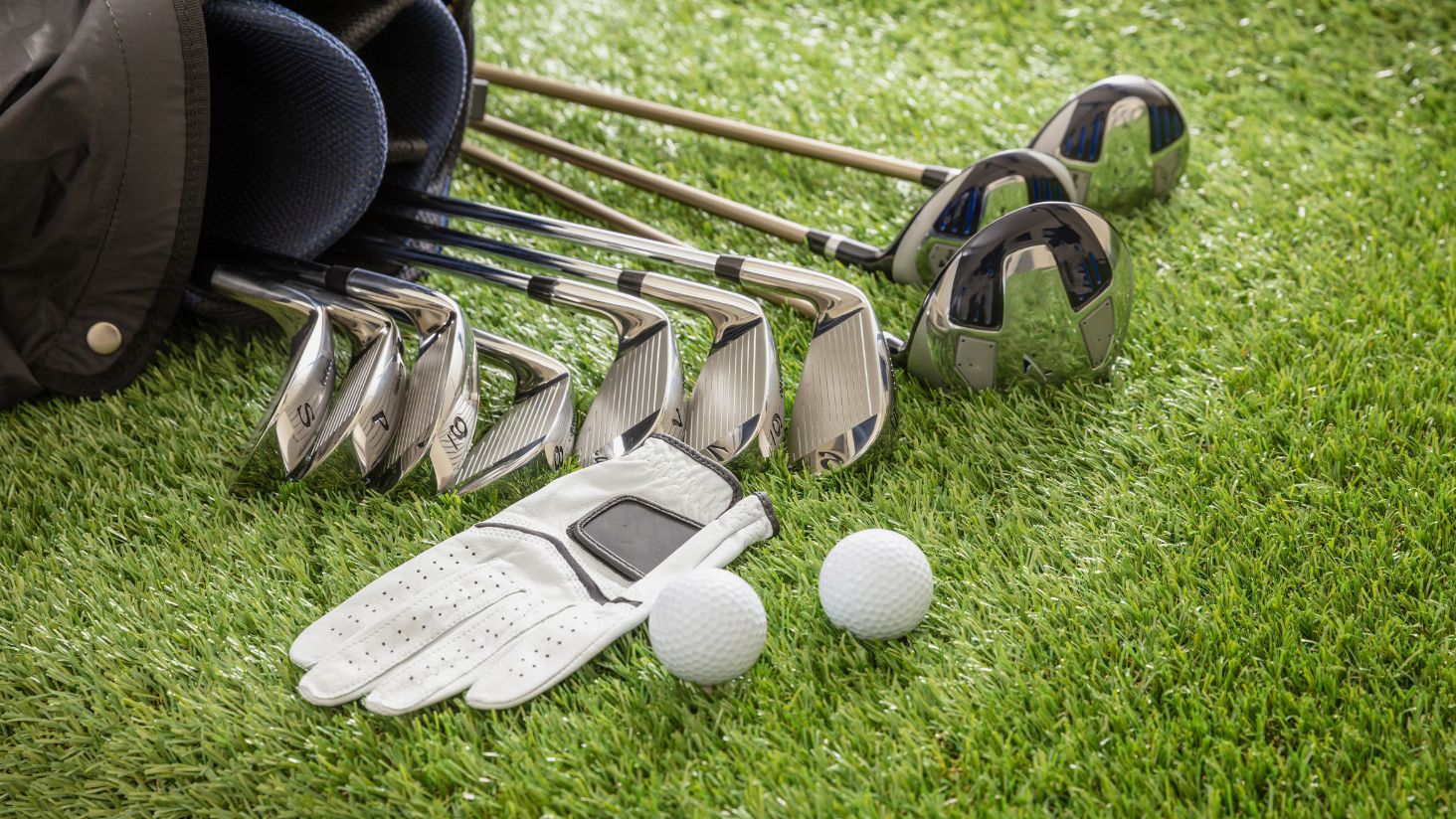
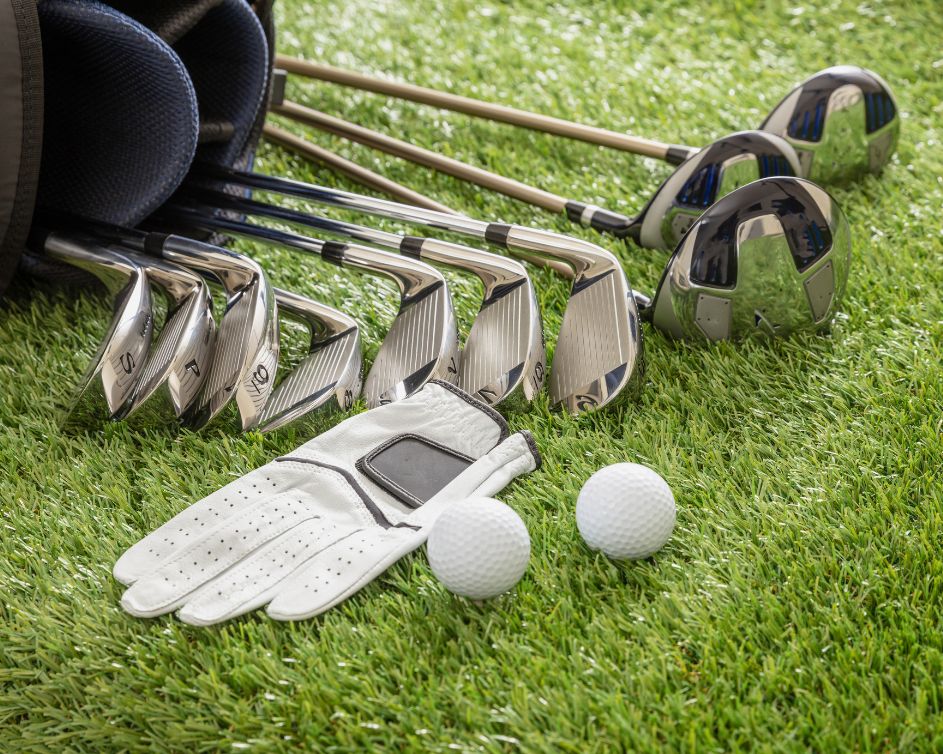
A fully equipped bag typically contains a Driver, Fairwaywoods, hybrid clubs, various Irons (usually Irons 5 through 9), several Wedges (pitching, sand, and lob Wedges), and a Putter.
How many golf clubs are golfers allowed to carry?
According to the official rules of golf, a maximum of 14 clubs may be carried during an official round of play. It is up to the players themselves to choose which clubs to use.
Which iron flies the farthest?
The lower the iron number, the lower the loft, and the farther the ball flies. A 5-iron therefore flies significantly farther than a 9-iron.
What club material is best for beginners?
For beginners, clubheads with a large sweet spot (e.g., cavity-back Irons) and lightweight graphite shafts are ideal, as they effectively forgive off-center hits and launch the ball easily into the air.
Brandname
Title will go here and can run on two lines
Brandname
Title will go here and can run on two lines

Brandname
Title will go here and can run on two lines
Brandname
Title will go here and can run on two lines
Brandname
Title will go here and can run on two lines
Brandname
Title will go here and can run on two lines
Brandname
Title will go here and can run on two lines
Brandname
Title will go here and can run on two lines
Brandname
Title will go here and can run on two lines
Brandname
Title will go here and can run on two lines
Release date
18 Aug 2026
photos
What kinds of golf clubs are there? In this article, you'll learn about all the different types of golf clubs. (Photo: Adobe Stock)