Rory McIlroy breaks a PGA Tour rule—and faces no penalty. What's the story behind this?
Rory McIlroy will fail to meet the PGA Tour's minimum appearance requirement in 2026—and will face no penalties. An exemption clause makes this possible. But is that fair?
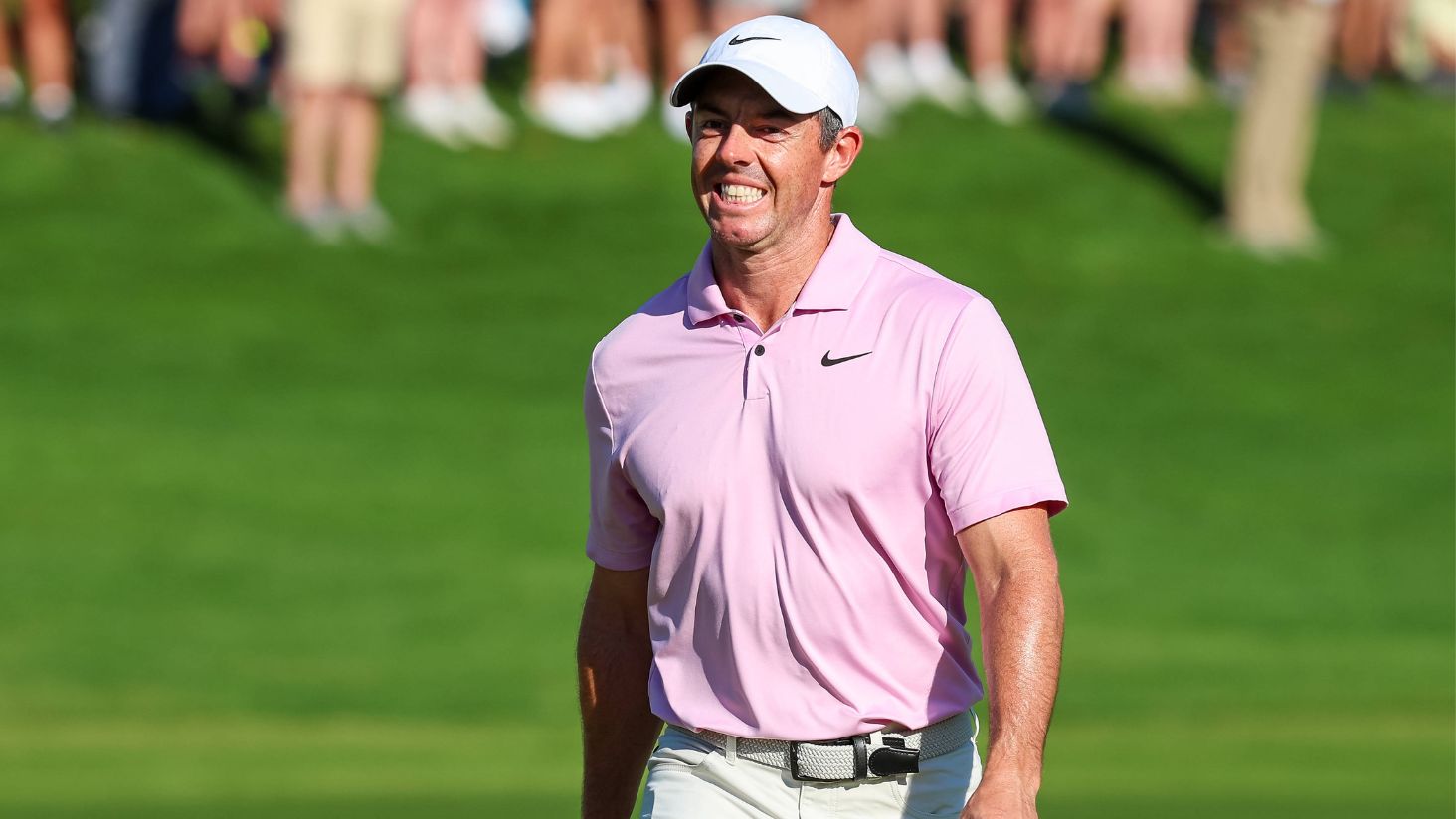
The PGA Tour made a decision this week that has sparked considerable discussion in the golf world: Rory McIlroy, a six-time major champion and one of the world’s most famous golfers, will face no consequences despite expected to make only 13 to 14 starts this season. The rules actually require 15 mandatory starts. Commissioner Brian Rolapp has invoked the so-called “Extenuating Circumstances Clause”—an exception that spares McIlroy from a potential one-year suspension.
The Rule and Its History
Any PGA Tour member who wishes to retain their status must compete in at least 15 tournaments recognized by the tour each season. This rule is no mere formality—it has been strictly enforced twice in the past: in 1986, it affected Seve Ballesteros, and in 2016, Martin Kaymer. Both were suspended from Tour competition for one year.
The fact that things are turning out differently in McIlroy’s case is due to a clause in the official 2026 PGA Tour Player Handbook. This clause allows the Commissioner to reduce the minimum requirement for foreign members upon request—for medical reasons or extraordinary circumstances that he deems valid at his sole discretion. McIlroy is an Irish citizen and a longtime member of the DP World Tour, which means he is formally considered a foreign member.
A Season of Injuries—and Successes
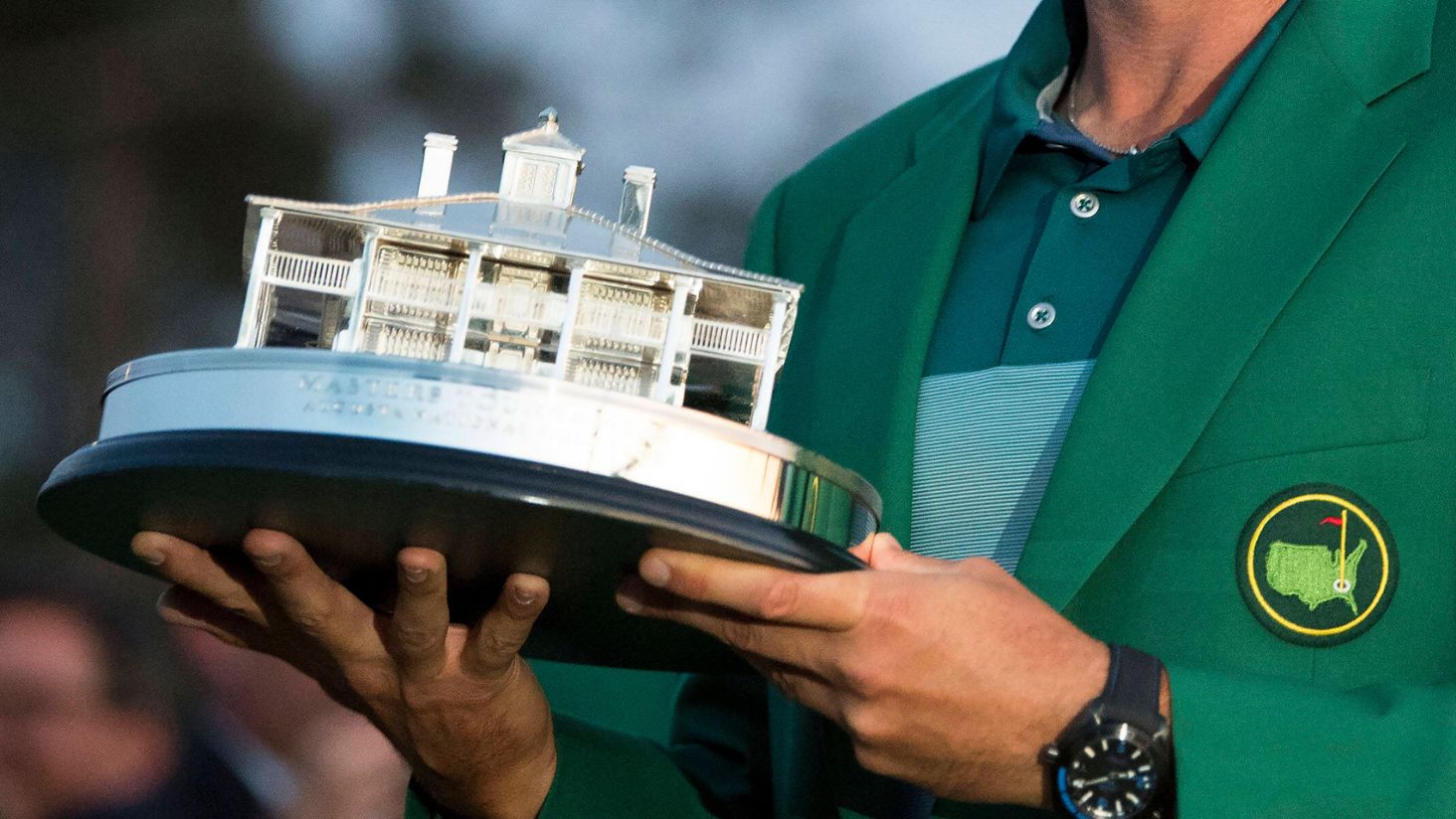
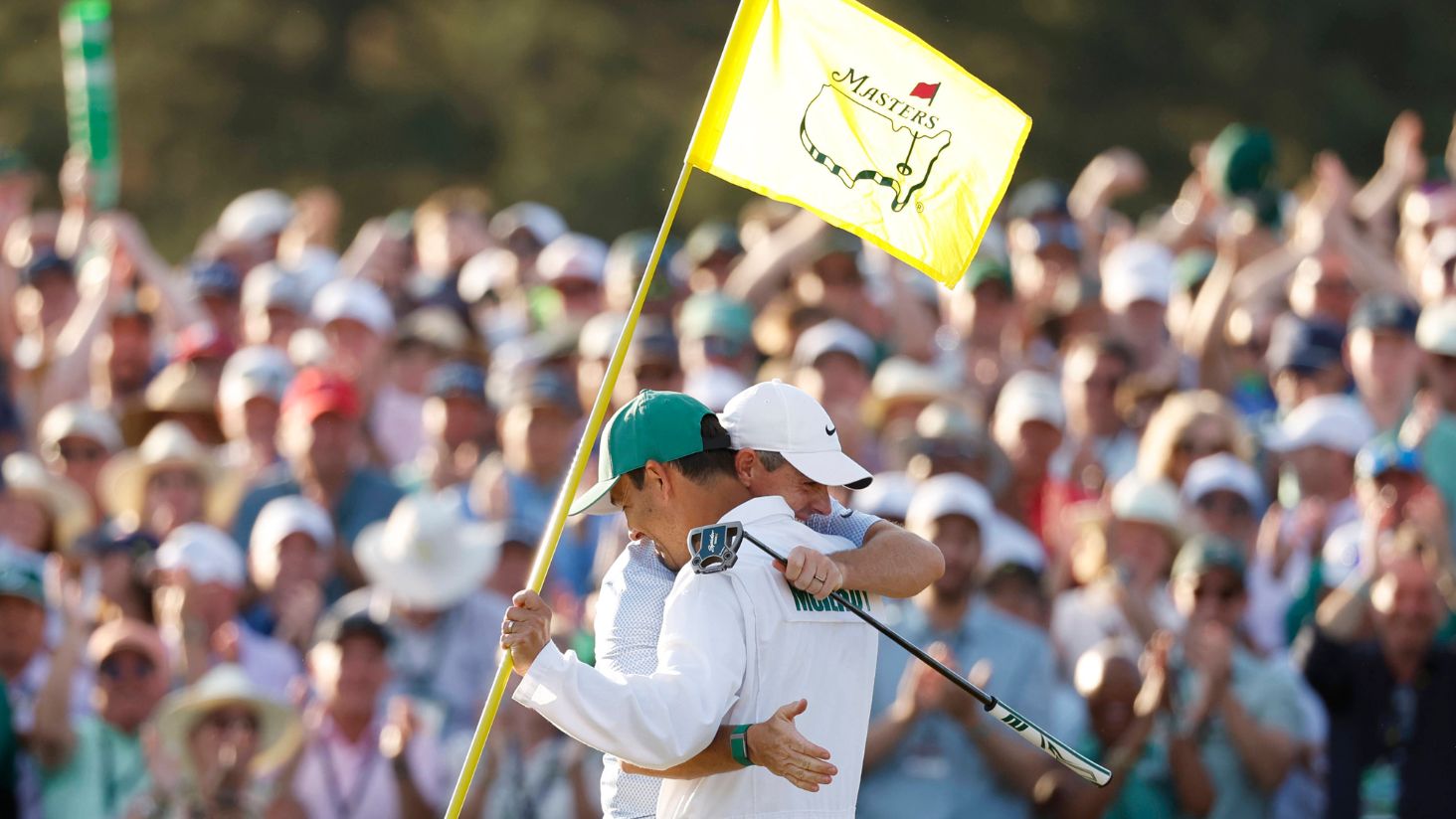
McIlroy’s 2026 season was anything but smooth. In March, back muscle spasms forced him to withdraw from the Arnold Palmer Invitational. Shortly thereafter, he competed in the Players Championship with a foot injury before turning his attention to the Masters. His victory at Augusta in April marked one of the highlights of his career. More strong results followed: a second-place finish at the Genesis Invitational, and top-10 finishes at the PGA Championship and the Memorial Tournament. At the U.S. Open at Shinnecock Hills, he finished tied for 32nd; he skipped the subsequent Travelers Championship.
That brings his total to nine PGA Tour starts so far. Added to that are his planned participation in the Genesis Scottish Open and, presumably, all three playoff events—which should bring McIlroy’s total to 13 or 14 tournaments. Two fewer than required.
“That’s just how it is”—McIlroy’s deliberate strategy
McIlroy himself has never made a secret of his approach to scheduling. In the past, he has publicly stated that he models his approach on Tiger Woods, who always carefully and sparingly selected his tournaments:
“I think people are going to have to accept that this is how it’s going to be. That’s what Tiger used to do—he picked the tournaments where he felt the best rhythm in his schedule and had the best chances of winning. I believe what Scottie and I are doing right now is no different.” (Rory McIlroy, as quoted in Golf Monthly)
This statement is noteworthy—because it describes a strategic decision, not an injury-related emergency. This is precisely the crux of the current debate.
⛳️💨😲 #NEW — Sir Nick Faldo ran into Rory McIlroy practicing at Royal Birkdale 3 weeks before The Open
— NUCLR GOLF (@NUCLRGOLF) June 25, 2026
"It's good to get up here & play early. I've been trying to do that @ every major championship, which has been working out for me." @TrackingRory pic.twitter.com/is1dVerNqk
Legitimate Exception or Special Treatment?
Supporters of the Tour’s decision point out that the clause has been part of the rules for years and deliberately allows for exceptional situations. McIlroy’s documented injuries—his back in March and his foot before the PGA Championship—at least provide a medical basis. In addition, as a DP World Tour member, he fulfills international obligations that do not appear in the PGA’s starting list.
Critics, on the other hand, see a more fundamental problem. Golf journalist Joe Saia summed it up: “This is clearly special treatment. All players have the freedom to skip events to prepare for the majors. But not all players have the freedom to fall short of the minimum requirement without being penalized.”
Compounding the issue is the context: In recent years, the PGA Tour—not least in the wake of the conflict with the LIV Golf League—has repeatedly emphasized the importance of shared player obligations and unity. An exception for the world’s third-best player seems like a contradiction in terms. The golf media portal Fore Play succinctly summarized the sentiment of many fans: “Rory won’t meet the PGA Tour’s minimum requirement of 15 events this year—but apparently won’t be penalized.”
A precedent with an uncertain outcome
Commissioner Rolapp’s decision may be in accordance with the rules—it certainly is, to the letter. The real question it raises is another: Would the same exemption also benefit a less prominent player? And if not—what does that say about the principle of equality on the PGA Tour?
McIlroy will compete in the Scottish Open and the Playoffs and conclude his season with significantly fewer starts than required. The Tour will tolerate this. Whether this has done its own credibility any favors is a question that won’t be answered by the commissioner—but by time.

Brandname
Title will go here and can run on two lines
Brandname
Title will go here and can run on two lines

Brandname
Title will go here and can run on two lines
Brandname
Title will go here and can run on two lines
Brandname
Title will go here and can run on two lines
Brandname
Title will go here and can run on two lines
Brandname
Title will go here and can run on two lines
Brandname
Title will go here and can run on two lines
Brandname
Title will go here and can run on two lines
Brandname
Title will go here and can run on two lines
Release date
29 Jun 2026
photos
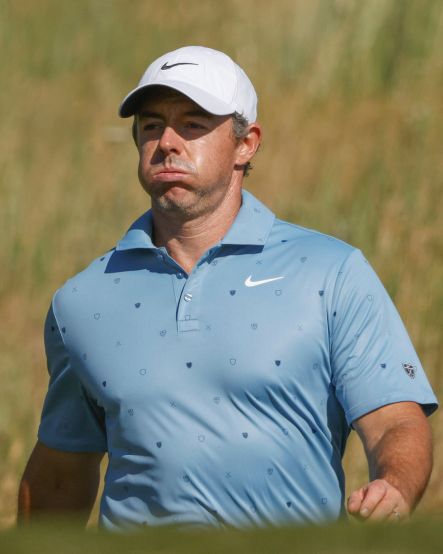
Rory McIlroy will not reach the minimum number of tournaments on the PGA Tour this season—is he facing a penalty? (Photo: Imago / UPI Photo)