Who Owns Callaway? History, Owners, and Brand
Who owns Callaway? History, brand family (Odyssey, OGIO, TravisMathew), and key milestones—including the 2026 Topgolf/Toptracer deal.
Callaway is one of the best-known names in golf—and has long been more than “just” a club manufacturer. The U.S. company develops and sells golf clubs, golf balls, and accessories, and has a global presence with a brand portfolio that includes Callaway, Odyssey, OGIO, and TravisMathew. At the same time, the company has undergone significant structural changes in recent years—including the Topgolf transaction and a return to its core business.
In this article, we answer the most important questions about Callaway: Who owns Callaway? Which brands are part of the Callaway family? Is Odyssey part of Callaway? And on a practical note: Are Callaway clubs any good? You’ll also learn how a small club maker became the Callaway Golf Company and why Callaway is still considered one of the most influential brands in golf today.
Callaway at a Glance
- Founded: 1982 by Ely Callaway Jr.
- Headquarters: Carlsbad, California (USA)
- Business: Golf clubs, golf balls, bags, apparel, and accessories
- Brand family: Callaway, Odyssey, OGIO, TravisMathew
- Distribution: Worldwide (through specialty retailers, sports retailers, and online) and via its own services such as Pre-Owned/Trade-In
Callaway is known primarily for two things: products that make the game easier for as many golfers as possible (forgiveness, launch, ball speed)—and a willingness to bring new technologies to market early.
Who owns Callaway? An easy-to-understand explanation of the ownership structure
In short: Callaway is a publicly traded company. This means it is not owned by a single person or family, but by its shareholders —including both institutional and individual investors.
A key milestone in the company’s recent history is its separation from the entertainment business:
- EffectiveJanuary 1, 2026, Topgolf sold 60% of its stake in the Topgolf and Toptracer businesses to funds managed by Leonard Green & Partners.
- Topgolf valued the business at approximately $1.1 billion.
- Callaway retained a 40% stake in Topgolf and announced a strategic marketing partnership.
- As part of this, the company announced that it would revert its corporate name to Callaway Golf Company and change its NYSE ticker symbol from MODG to CALY (scheduled for mid-January 2026).
This shift moved the company away from the “Modern Golf” concept centered around Topgolf and back toward a more focused golf equipment and lifestyle business. Read more about the sale of Topgolf and Toptracer here.
The History of Callaway—From Underdog to Golf Icon
The Beginnings: Ely Callaway Jr. and Hickory Sticks
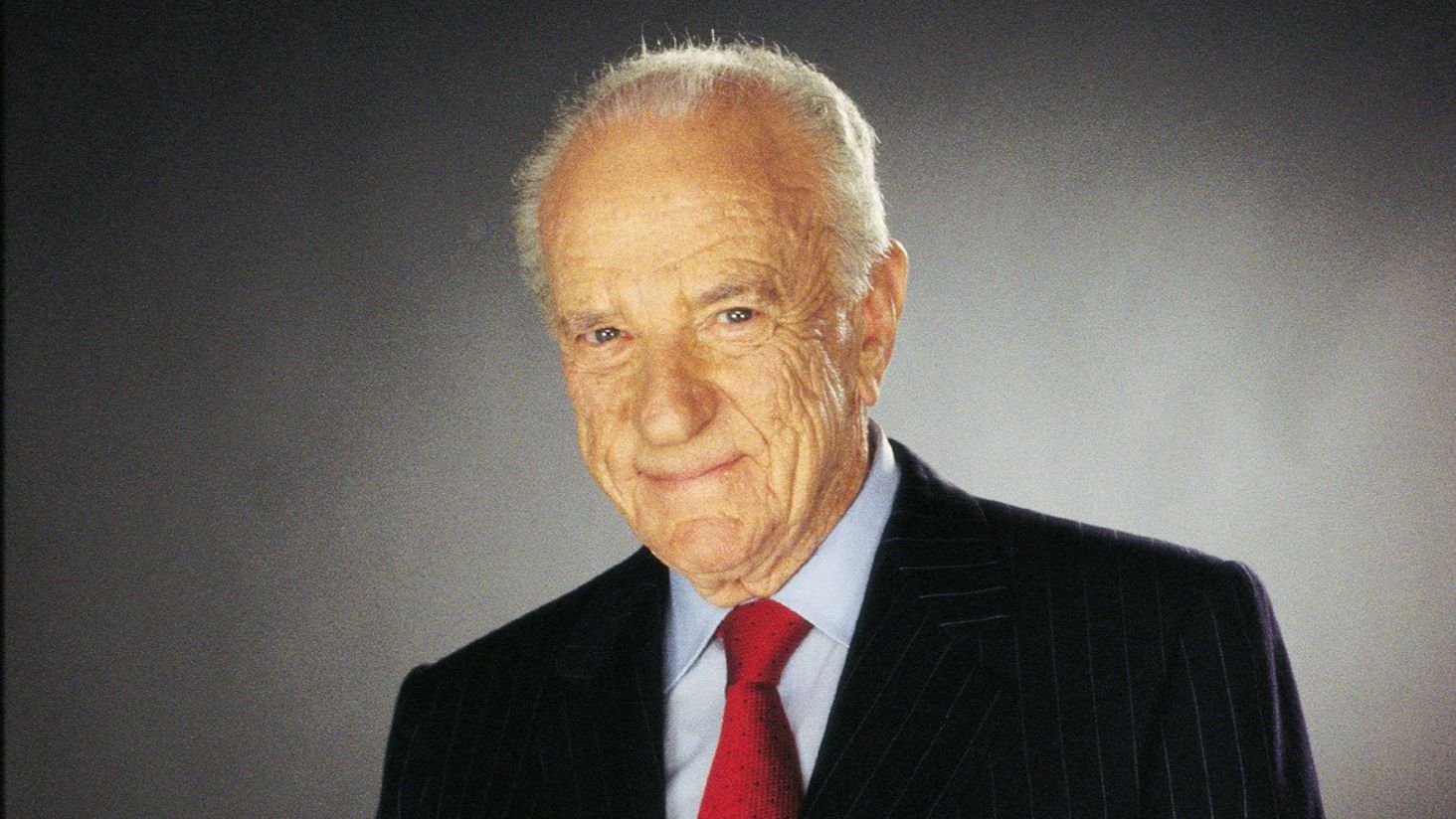
The story begins in 1982. Company founder Ely Callaway Jr., who had previously enjoyed success in the textile and wine industries, invested in Hickory Sticks USA, a golf club manufacturer at the time. From these origins, Callaway Golf emerged—with the goal of building products that are “delightfully different and demonstrably superior.”
Ely Callaway Jr. purchased Hickory Sticks USA for $800,000 in 1984.
— Jared Doerfler (@DoerflerJared) February 4, 2022
Today, Callaway is worth over $4 billion.
How Ely turned Hickory Sticks USA into a dominant golf brand. 🧵 pic.twitter.com/uwLM1a0yyW
Big Bertha: The Moment That Changed Everything
Callaway made its breakthrough with a name that even beginners know today: Big Bertha. The oversized Driver symbolized a new era—more forgiveness, more confidence off the Tee, and greater playability for the masses. Big Bertha’s success made Callaway the dominant force in the market during the 1990s.
Read more about the legendary Callaway Big Bertha here.
Odyssey (1997): The Beginning of Putter Dominance
In 1997, Callaway acquired Odyssey —thereby laying the foundation for a presence on the Tours that remains exceptional to this day. Over the years, Odyssey evolved into the benchmark for Putters, known for its insert technologies (including White Hot) and alignment features.
Golf Balls: From Beginner Golf Balls to Tour-Level Models
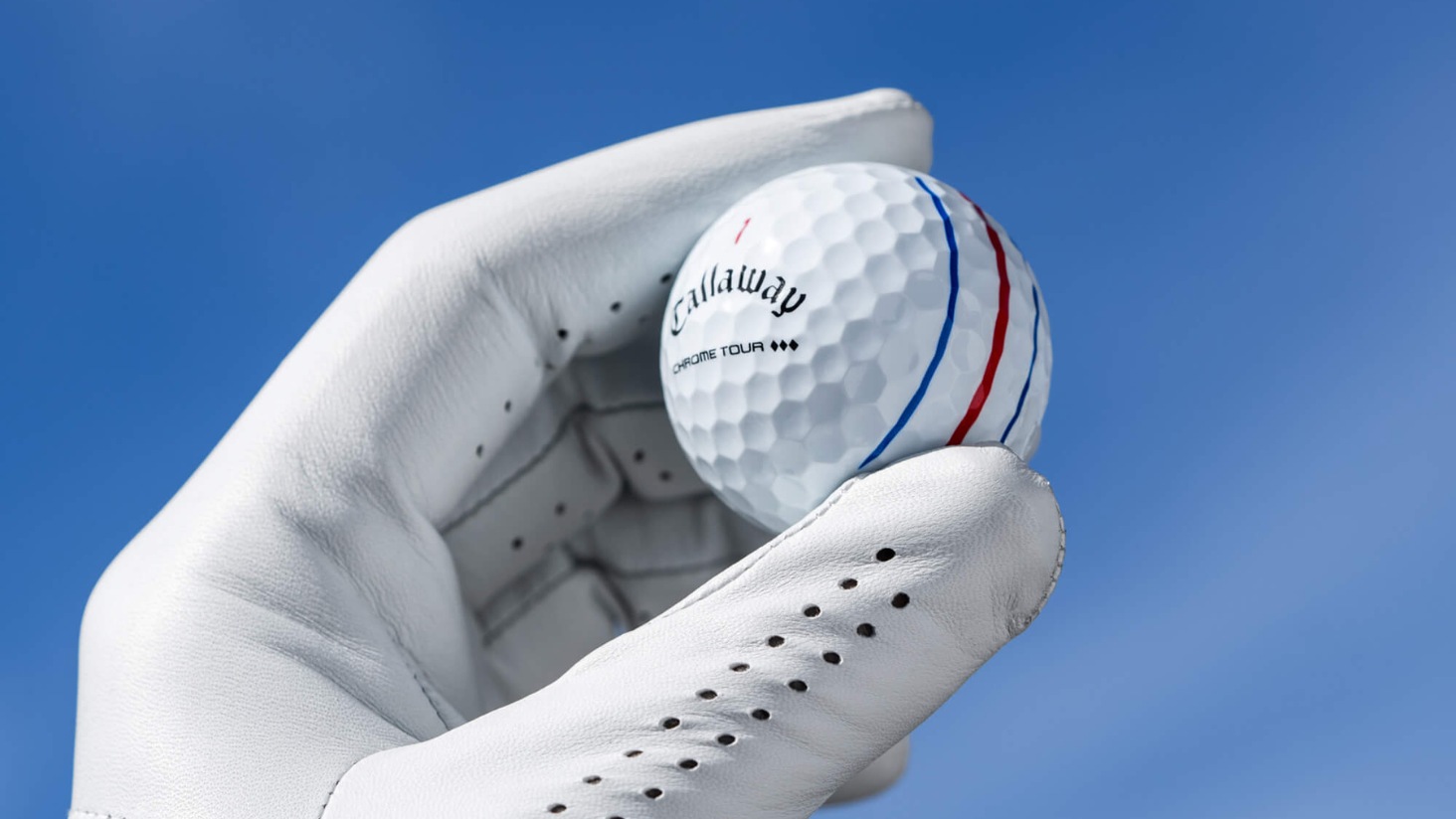
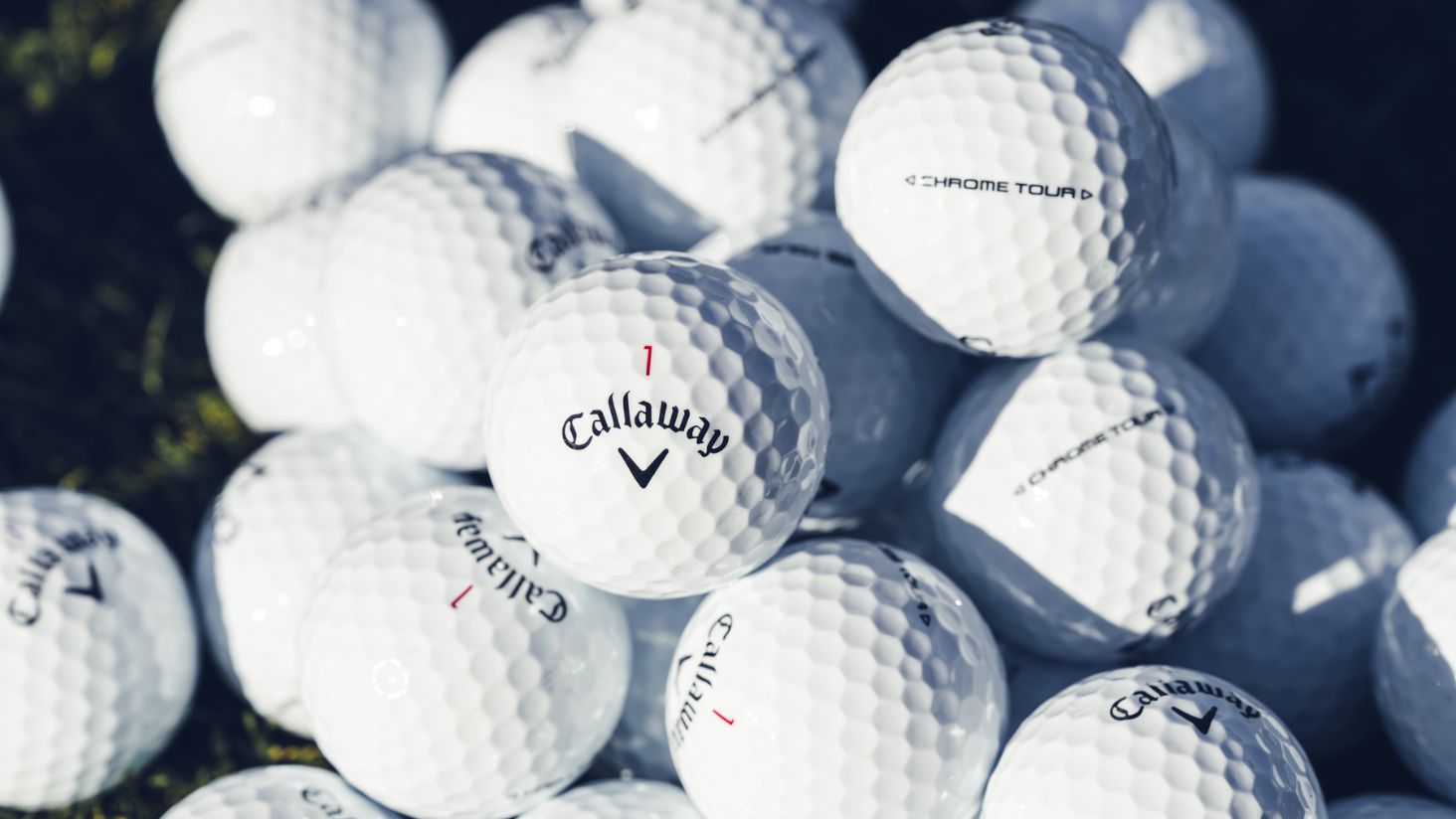
Callaway also entered the golf ball market, investing heavily in development and production. From the very beginning, the goal was to create a ball that didn’t just focus on individual aspects (such as spin or distance alone), but offered an “all-around” performance profile. Today, Callaway offers a wide variety of golf balls tailored to different playing styles and covering a broad price range—from affordable entry-level models to Performance golf balls used on the Tour.
Brand and Portfolio Expansion
Over time, Callaway has increasingly evolved into a brand platform:
- OGIO ( bags)
- TravisMathew (lifestyle and golf apparel)
This resulted in a portfolio that provides golfers not only with clubs and balls, but also with bags and apparel.
Topgolf and the Return to the Core Business
With the acquisition of Topgolf (2021) and the subsequent rebranding to Topgolf Callaway Brands (2022), Callaway sought to combine its traditional equipment business with entertainment and broader reach. With the sale of a majority stake in 2026, the focus shifted back more strongly to the core business.
Which brands are part of Callaway?
Callaway now operates as a family of brands. This is particularly convenient for golfers: many products (from Drivers to Putters, from bags to apparel) are bundled under one roof.
| Brand | Category | Known for? |
|---|---|---|
| Callaway | Clubs & Golf Balls | Forgiveness, innovation, wide range of models |
| Odyssey | Putter | Insert technologies, alignment, Tour presence |
| OGIO | Bags & Travel Gear | Organization, Durable Materials, Design |
| TravisMathew | Apparel | Lifestyle look, golf performance, California DNA |
What Sets Callaway Apart as a Brand
Callaway made its name with a clear promise: to make golf more accessible to more people—without compromising on performance and innovation. This philosophy has been a constant across many product generations:
- Supporting the game rather than intimidating players: large sweet spots, stable heads, precise alignment
- Technology as a means to an end: not “innovation for innovation’s sake,” but measurable benefits
- Wide selection: from beginner sets to tour-oriented models
FAQ: Frequently Asked Questions About Callaway
Is Odyssey part of Callaway?
Yes. Callaway acquired Odyssey in 1997. Today, Odyssey is a central part of the brand family.
Is Callaway a good golf brand?
In short: yes. Callaway is one of the largest and best-known golf brands worldwide and is particularly renowned for its forgiveness, innovation, and a very broad product range. Whether a brand is “good” naturally depends on your playing style—but Callaway covers a wide range, from beginner equipment to Tour-level Performance, and has established itself as a reliable golf brand over decades.
Are Callaway clubs any good?
Callaway is an especially good choice if you expect your clubs to provide noticeable support on the course: large sweet spots, stable clubheads, and many model variations for different skill levels.
What is Callaway best known for?
Historically, it’s best known for the Big Bertha Impact (oversize/forgiving) – and today for modern technologies in drivers, irons, Wedges, golf balls, and Odyssey putters.
Does Callaway still have any connection to Topgolf?
After selling its majority stake in 2026, Callaway retained a 40% stake in Topgolf and announced a strategic marketing partnership.
Is there a collaboration with Good Good?
Yes, in January 2023, Callaway and Good Good Golf announced that they would be collaborating starting at that time. The partnership aims to produce content together.
Brandname
Title will go here and can run on two lines
Brandname
Title will go here and can run on two lines

Brandname
Title will go here and can run on two lines
Brandname
Title will go here and can run on two lines
Brandname
Title will go here and can run on two lines
Brandname
Title will go here and can run on two lines
Brandname
Title will go here and can run on two lines
Brandname
Title will go here and can run on two lines
Brandname
Title will go here and can run on two lines
Brandname
Title will go here and can run on two lines
Release date
11 Jul 2026
photos
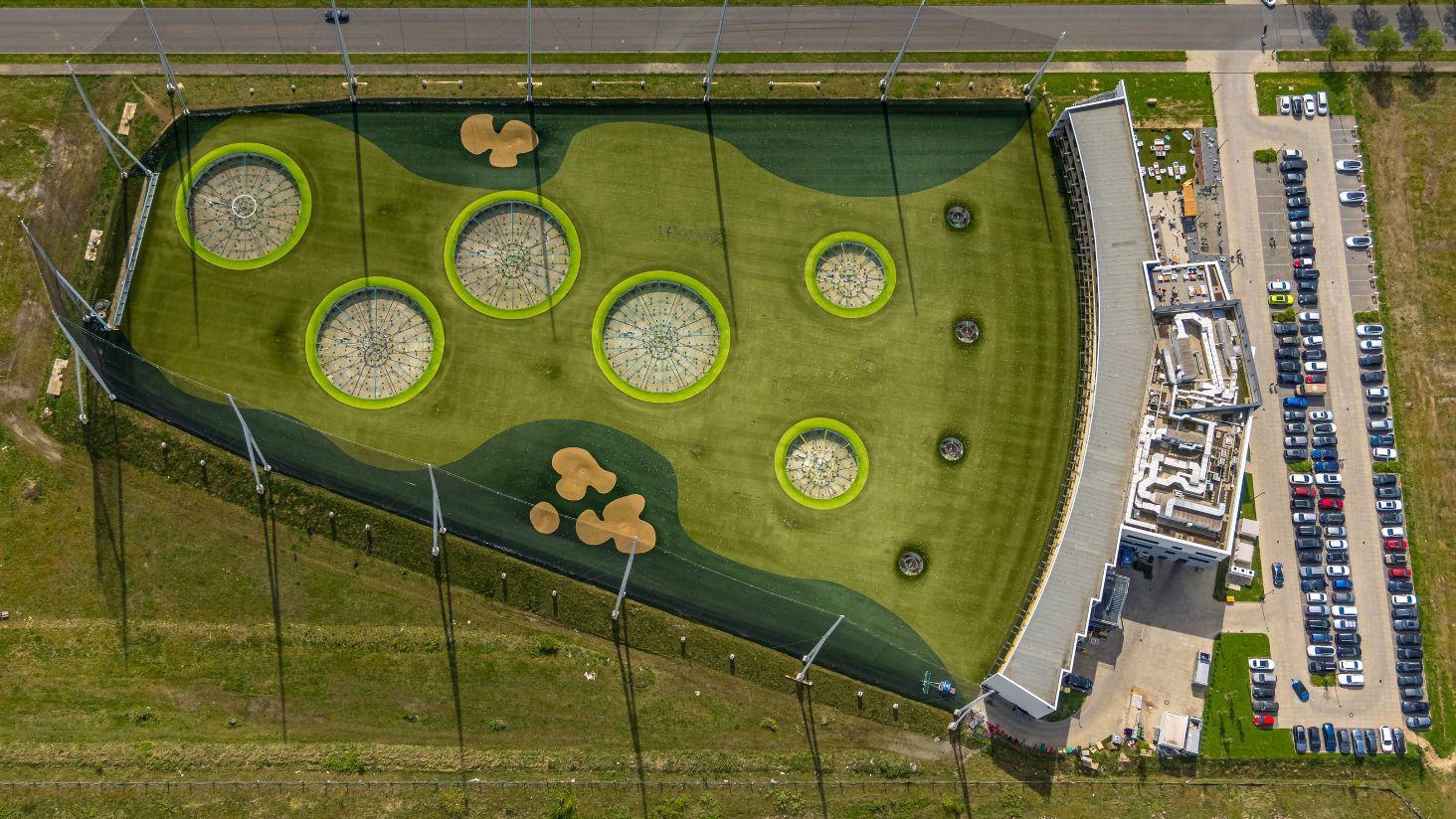
Today, Callaway is one of the world's best-known manufacturers of golf clubs and golf balls, among other products. (Photo: Dennis - stock.adobe.com)