


Better laying in golf (winter rules): How to do it correctly - with examples
Better putting in golf (winter rules): When allowed, where it applies and how to mark, pick up, clean and put back correctly - including typical mistakes.
Mounding (often referred to as part of the "winter rules") is only permitted if it is expressly activated by a course rule. You may then mark the ball within the limits specified in the course rule, pick it up, clean it if necessary and place it in a better spot - typically in the short mown area (e.g. Fairway). Without this course rule, the following applies: play the ball as it lies.
Find out more about golf course rules in general here.
Starting scenario
It is wet, muddy or the course is in winter mode. Your ball is lying halfway down the Fairway - and you ask yourself: Can I put the ball better? If so, how far? Do I have to mark? Can I clean it? And does this also apply in the Rough or even on the green? This is exactly where the most common misunderstandings arise. This article explains what really applies - and how to apply the rules correctly.
Rules of golf: Better putting explained in 30 seconds
- Check first (preferably before the round): Is there a course rule for putting/winter rules today?
- Does it only apply in the Fairway or elsewhere (Rough, Semirough, Foregreen)?
- Mark the ball before picking it up.
- Pick up the ball (clean it only if the rule allows it or is customary - see note below).
- Place the ball within the permitted distance (e.g. one scorecard length/club length - depending on the course rules).
- The ball is in play as soon as it is placed.
- In case of doubt: Course rules text is decisive (not "how you always do it").
What does "putting better" mean in golf?
Better placement means: You may deliberately place your ball in a better position because the course conditions (often in winter) would otherwise lead to unfair or damaging situations. Important: Improvement is not a general rule of golf, but a local exception to course rules. Therefore, the central question is always:
"Is putting better allowed by course rules today - and if so, where and how?"
Winter rules vs. laying up - are they the same thing?
Colloquially, "winter rules" are often used as a collective term. In practice, this often means
- Better laying (preferred lies) in the short mown area
- possibly further course rule adjustments for winter conditions (e.g. restricted areas, temporarily changed zones)
Not everything that is called a "winter rule" is automatically better laying - the specific course rule text is decisive.
When is better laying permitted?
Improvement is permitted if:
- a course rule expressly permits it (e.g. on the scorecard/notices/tournament info),
- and you are within the applicable area (e.g. "Fairway only", "short mown area only", "up to one scorecard length only").
Typical triggers:
- very wet, soft or damaged course surfaces
- Winter operation to protect the course
- highly compacted, unfair ball positions in the short mown area
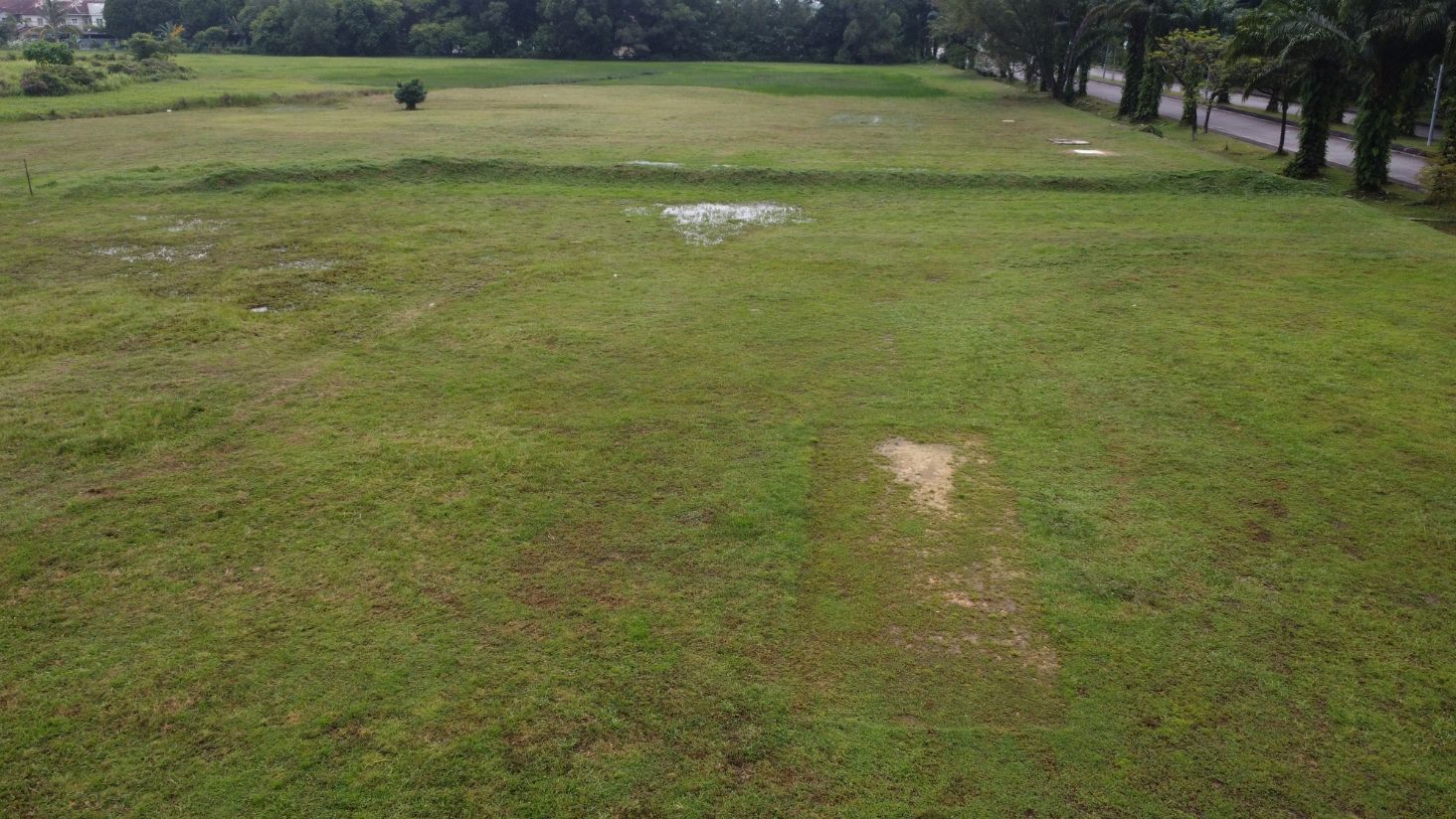
Where does better lie typically apply - and where not?
That depends entirely on the course rules. Often (but not always) applies:
Frequent area of application
- shortly mown area (often Fairway, sometimes also front green/ring)
Frequent restrictions
- not in the Rough
- not in penalty areas
- not in the Bunker
- not on the green (note: this is one of the most common misconceptions)
How to apply Besserlegen correctly (step by step)
Step 1: Check the course rules (really read them)
Clarify before use:
- Does Besserlegen apply today?
- In which area does it apply?
- How far can you move the ball (e.g. "one scorecard length", "one club length", "15 cm", "20 cm" - depending on the course)?
- Are there any additional conditions (e.g. "no closer to the hole", "only in the Fairway")?
Step 2: Mark the ball
Before you pick up the ball, mark the position (e.g. Ballmarker or Tee). This protects you from discussions and keeps the process clean.
Step 3: Pick up the ball (and clean it if necessary)
In many better-play scenarios, cleaning is practically the point of the game, because mud/dirt distorts the game. Whether and how this applies in detail is to be judged by the court rules and the general rules/procedures. In practice, the decisive factor is: mark, pick up, place - cleanly and clearly.
Step 4: Placing the ball (not dropping)
Placing the ball better usually means placing it (i.e. putting it down), not "dropping" it. Therefore, make sure that you really place the golf balls:
- within the permitted distance
- usually not closer to the hole
- on a better spot (e.g. drier turf)
Step 5: Continue playing
As soon as the ball is placed correctly, it is back in play and you play it from there.
Typical mistakes when putting better (and how to avoid them)
Mistake 1: Improving without a course rule
"It's winter, so you're allowed to lay up" - this is not automatically correct.
Avoidance: Always check first whether a place rule exists.
Mistake 2: Wrong area (e.g. Rough or green)
Many people apply the "better lay-up" rule where it does not apply.
Avoidance: Read the area of application in the course rules (often only Fairway/short mowed).
Mistake 3: Moving too far
"One club length" quickly becomes "long club length" - or it is simply exaggerated.
Avoidance: Strictly maintain distance (and observe "no closer to the hole" if required).
Mistake 4: Not marked
Without a mark, it is difficult to see whether the correct procedure has been followed.
Avoidance: Always mark first, then pick up.
Mistake 5: Dropping instead of placing
Better placement is usually a placement, not a drop.
Avoidance: Deliberately put the ball down (place) - drop only if another rule/relief applies.
Frequently asked questions (FAQ) about winter rules / better putting
What does "putting better" mean in golf?
Improvement means: The ball may be placed in a better position within a limit defined by the course rules (not automatically dropped).
Is putting always allowed when it is winter?
No. Better placement is only permitted if a course rule expressly allows it.
How far can I improve?
That depends on the course rule (e.g. 15 cm, 20 cm, scorecard length, club length). The wording of the local rule is decisive.
Can I also improve on the green?
As a rule: no, unless a course rule expressly regulates this (very rarely and then very specifically). Separate procedures apply on the green (marking, picking up, putting back) - but not "improving at will".
Here you can find out which golf rules apply specifically on the green.
Am I allowed to lay up in the Rough?
Only if the course rules expressly allow it. Often mounding is restricted to short mown areas.
Conclusion
- Mounding is usually part of the "winter rules", but always a question of the course rules.
- Without an expressly activated course rule, the rule is: play the ball as it lies.
- If a better placement applies, then please do it properly: check - mark - pick up - place - play on.
- The most common mistakes are wrong area, too great a distance and missing a mark.
Brandname
Title will go here and can run on two lines
Brandname
Title will go here and can run on two lines

Brandname
Title will go here and can run on two lines
Brandname
Title will go here and can run on two lines
Brandname
Title will go here and can run on two lines
Brandname
Title will go here and can run on two lines
Brandname
Title will go here and can run on two lines
Brandname
Title will go here and can run on two lines
Brandname
Title will go here and can run on two lines
Brandname
Title will go here and can run on two lines
Release date
07 May 2026
photos
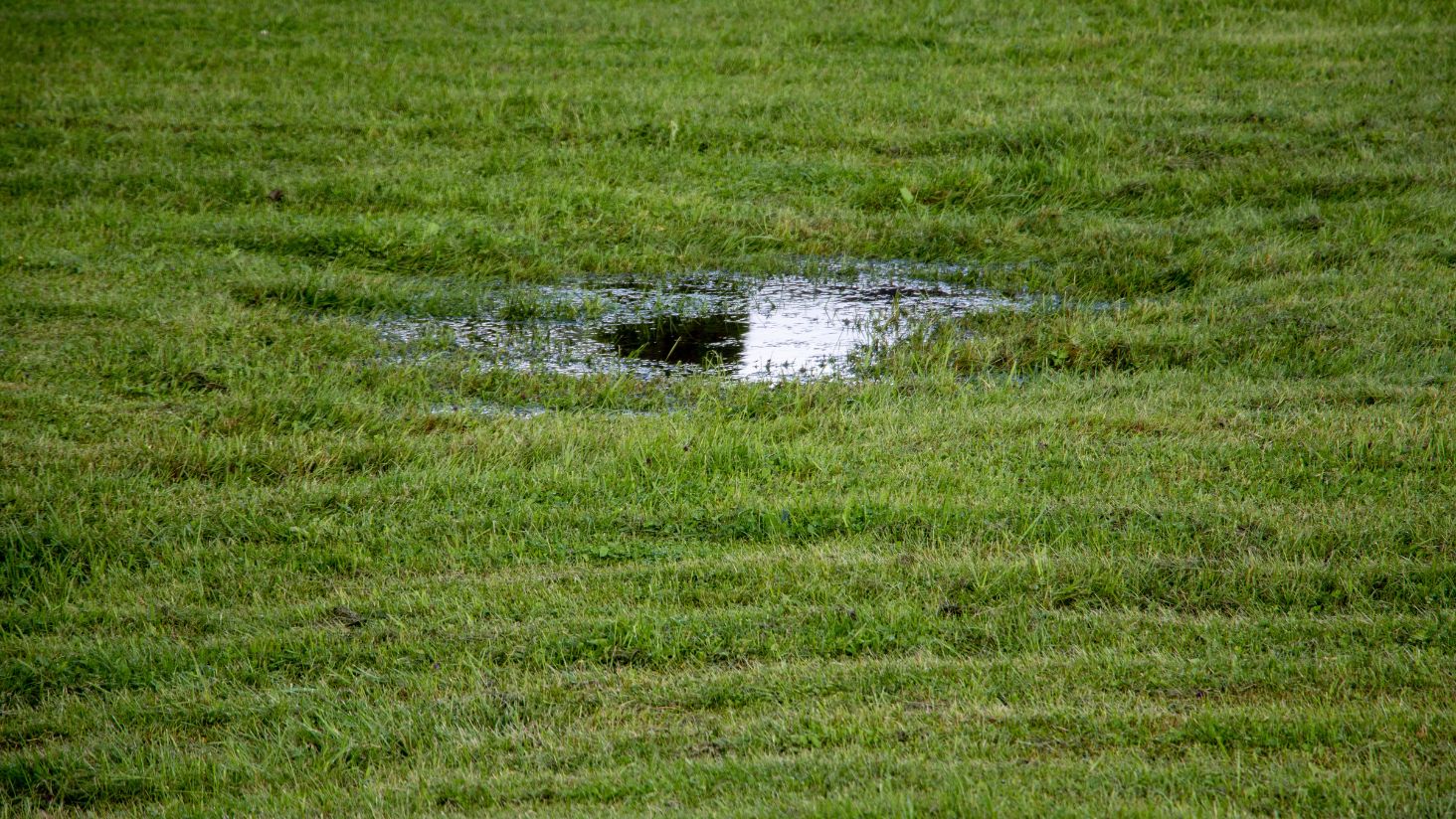
If the course rules allow it, you can pick up your ball, clean it and then place it in a better position. (Photo: Adobe Stock)