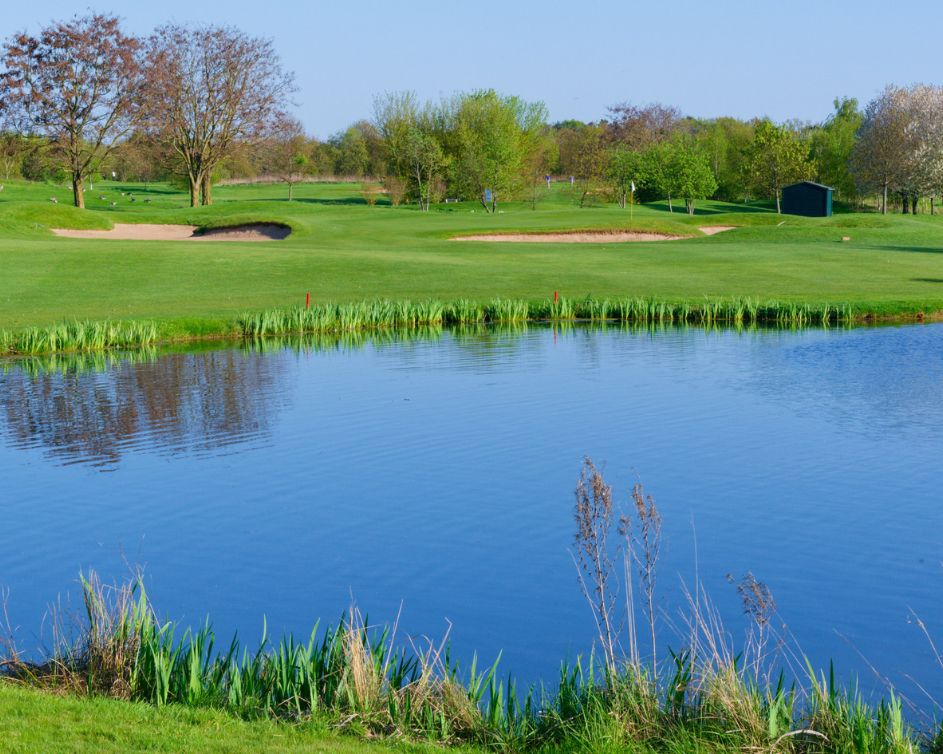

Stolper Heide, Ostplatz - More than just an addition to the Westcourse
Stolper Heide (Ostplatz): Discover Kurt Rossknecht's strategic design on the outskirts of Berlin. A varied Par-72 course for clever tacticians.
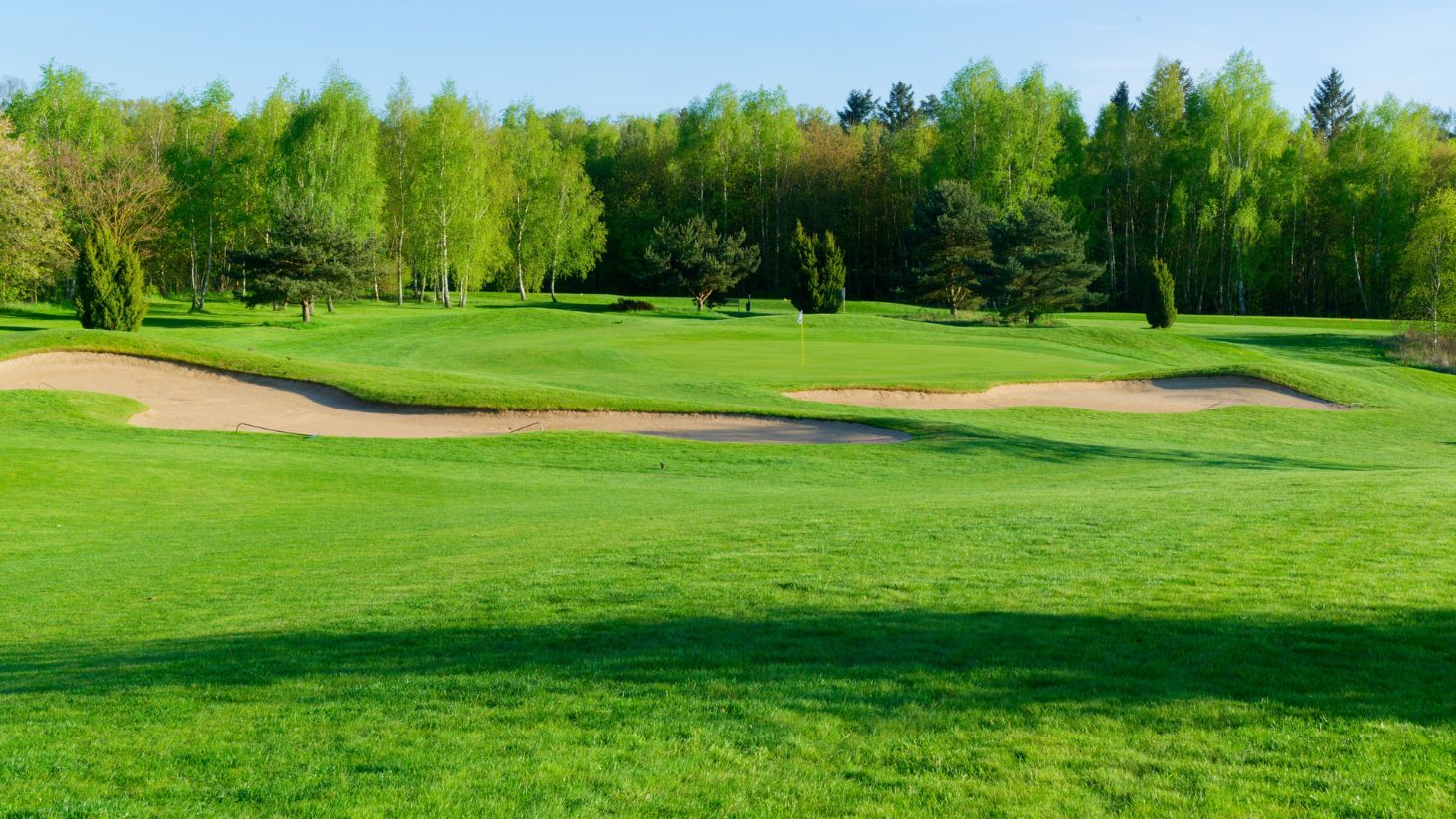
The East Course at Berlin's Stolper Heide Golf Club is far more than just the second playing option alongside the prominent West Course. Although the architectural relationship is immediately recognizable - after all, Kurt Rossknecht was also responsible for the design of the East course after his role as construction manager of the West course designed by Bernhard Langer - the course has its own unique character. Everything seems a little more compact here: shorter overall length, fewer undulations, smaller bunkers. What has remained, however, are the large, heavily sculpted greens, which make precise club selection absolutely essential.
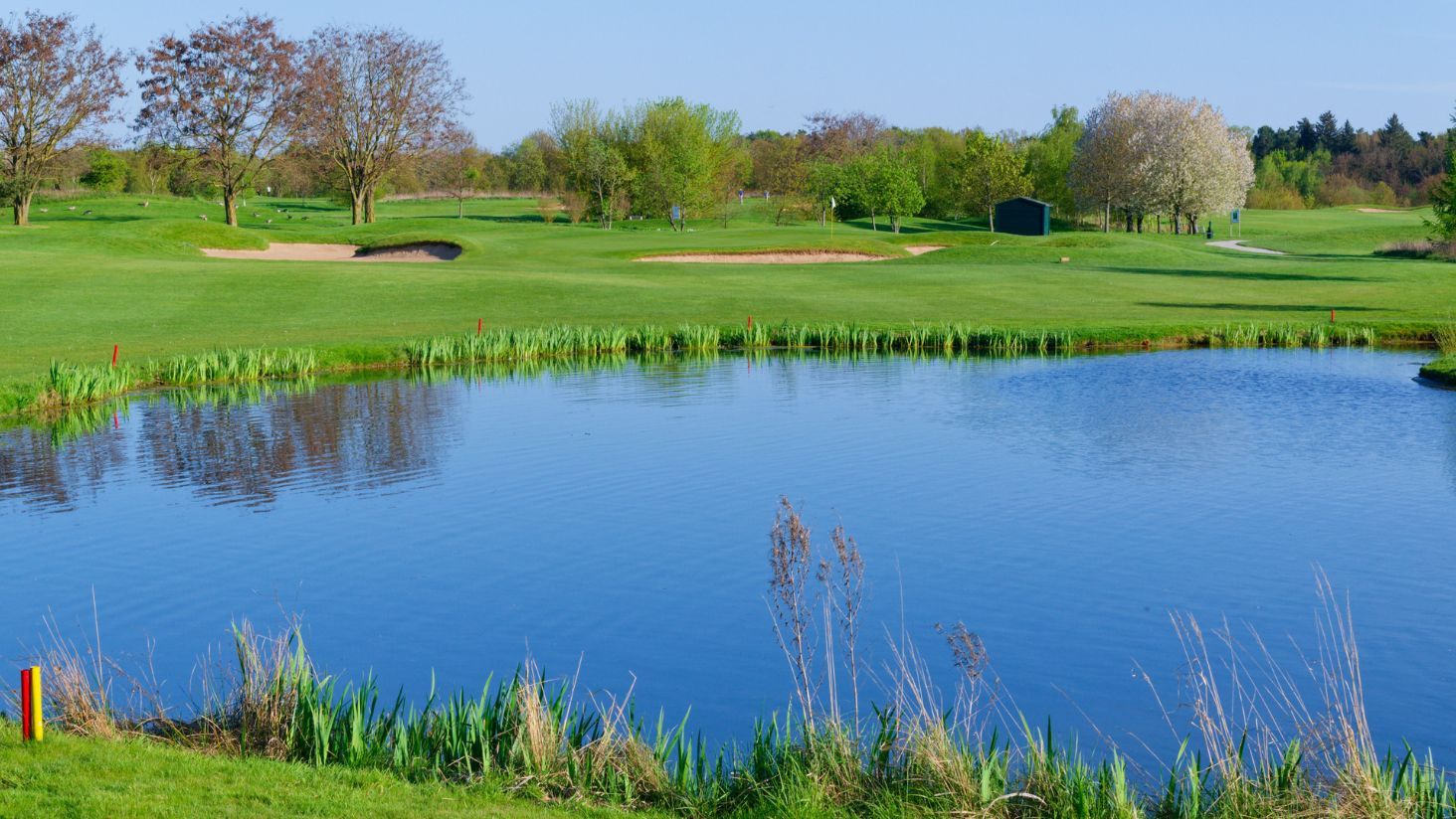
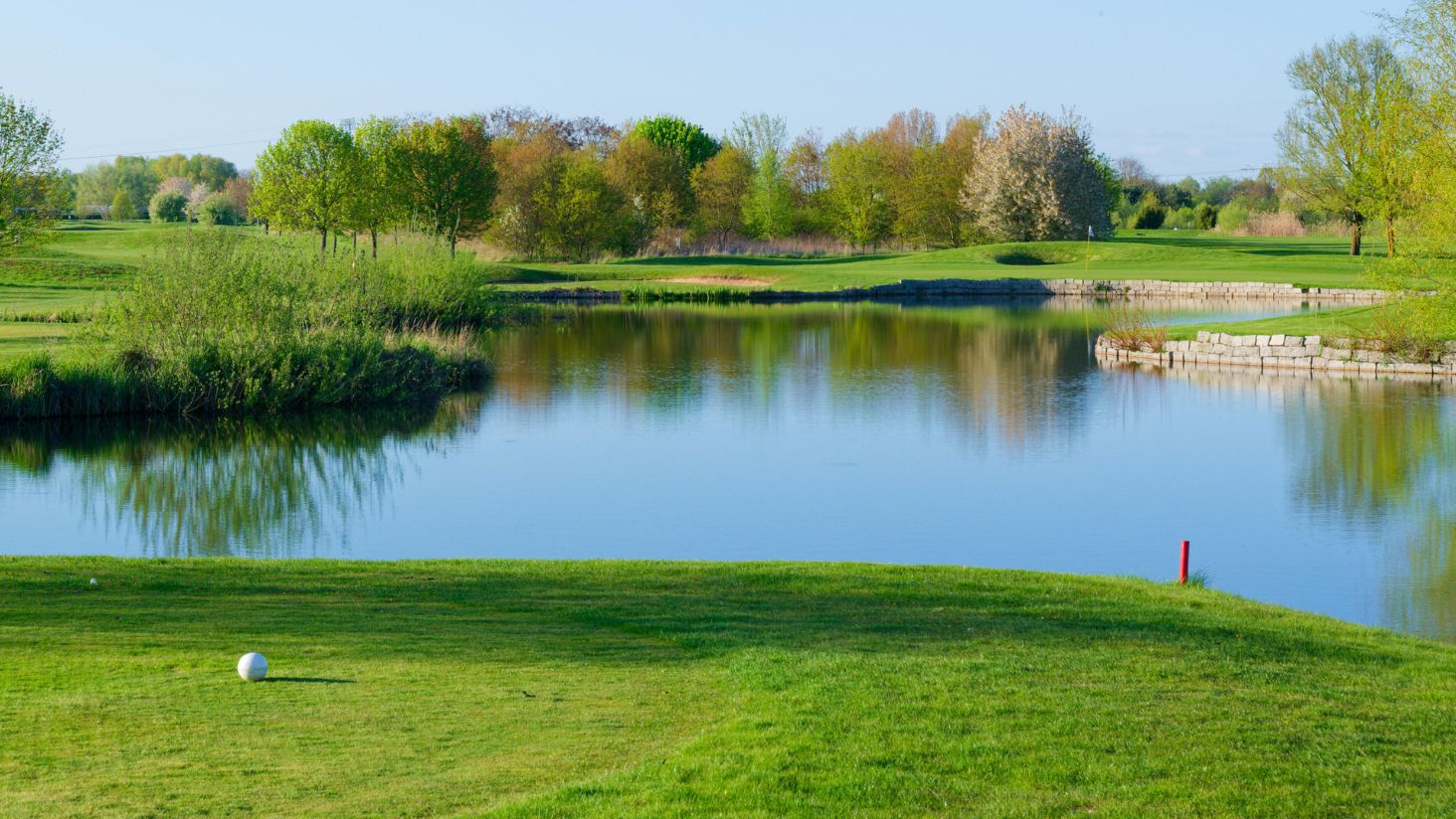
Depending on the tee shot, the course plays as a Par-72 or Par-73, with four tee boxes per hole and a total length of between 5,232 and 6,367 meters. This makes the East Course challenging without being too demanding. The opening hole, a Par-4 dogleg left, already gives an indication of the rest of the round: Water flanks the landing zone, the hazard on the left stretches almost as far as the green, and a mighty Bunker defends the flag on the right. If you attack here carelessly, you will quickly learn the hard way.
Here you will find many more travel reports from the most beautiful golf regions in the world.

Brandname
Title will go here and can run on two lines
Brandname
Title will go here and can run on two lines
Strategy and water on the front nine
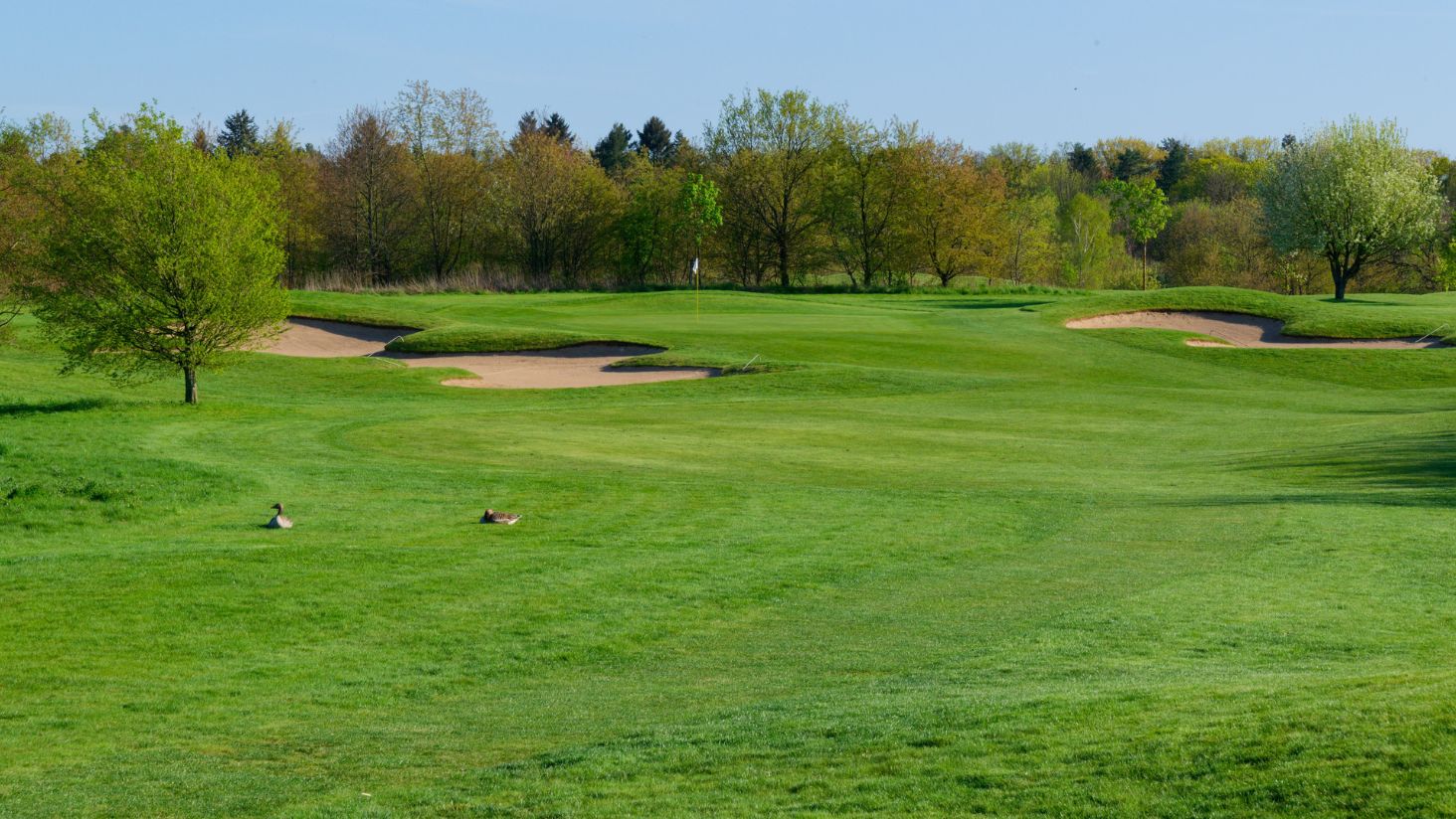
The following holes also require strategic play. The second hole leads in an S-curve towards the green, while the first Par-3 impresses with an elevated, laterally sloping green. At the first Par-5, the impression of a bunker-strewn landing zone is deceptive - a typical risk-and-reward design where choosing the right line of play is crucial.
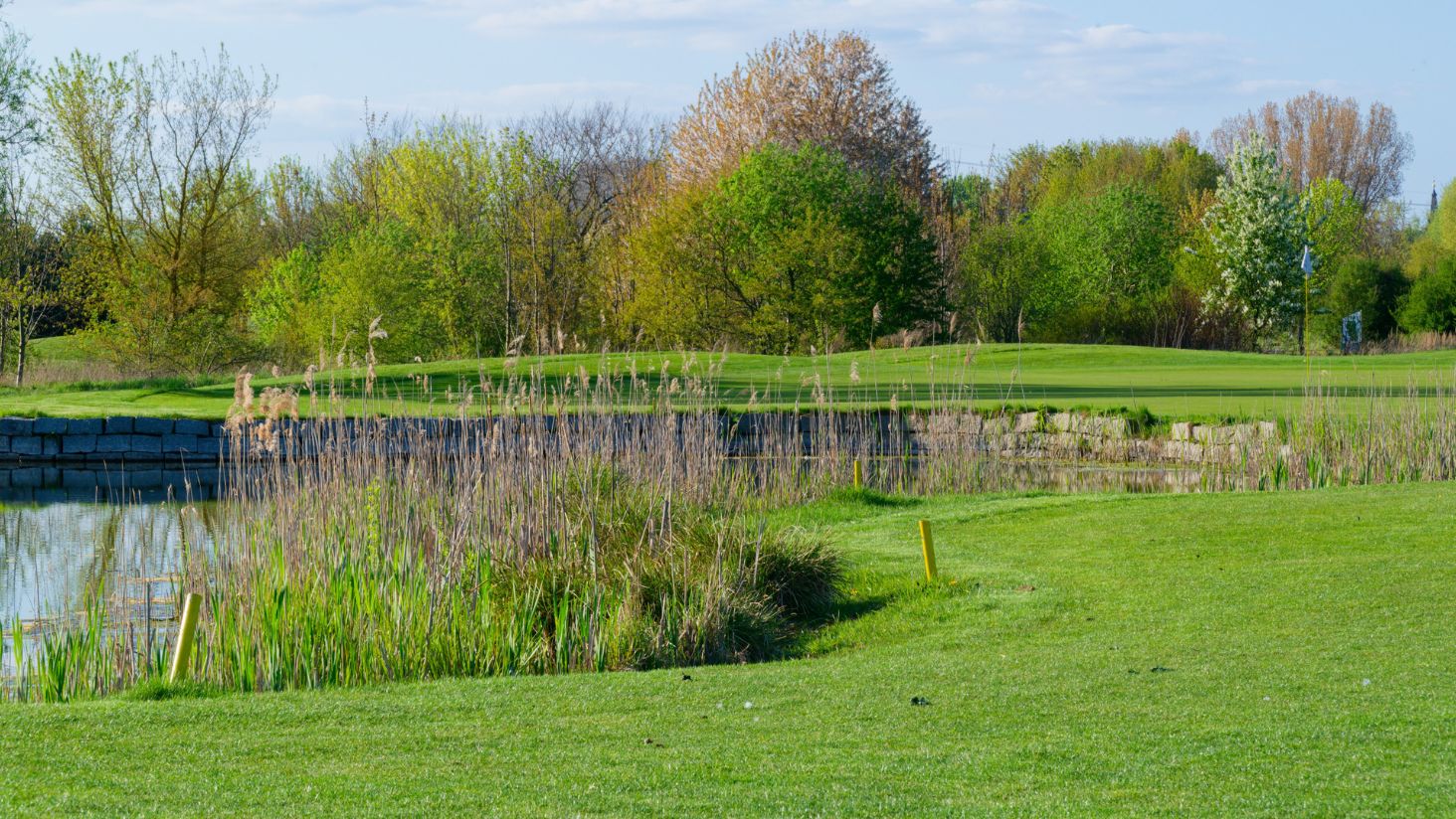
It is striking how often water is cleverly integrated into the game strategy without being dominant. On several occasions, the choice arises: boldly attack directly or defensively advance in order to create a better angle. The front nine ends with a Par-5, where the last 80 meters in particular demand maximum concentration. Water, undulations in the Fairway and bunkers lurking to the side make the finish of the first half tricky.
Read more about the West Course at Berlin's Stolper Heide Golf Club here.


Brandname
Title will go here and can run on two lines
Brandname
Title will go here and can run on two lines
The back nine: variability and a strong finish
The back nine seamlessly continues at this level. The tenth hole, a long Par-4 with a wide right-hand bend, is one of the most difficult holes on the course. Water accompanies the right edge here, while the green is clearly sloping. The variability of the second half of the course is particularly appealing: on hole 13, the par rating even changes depending on the tee shot, making the course attractive for different levels of play.
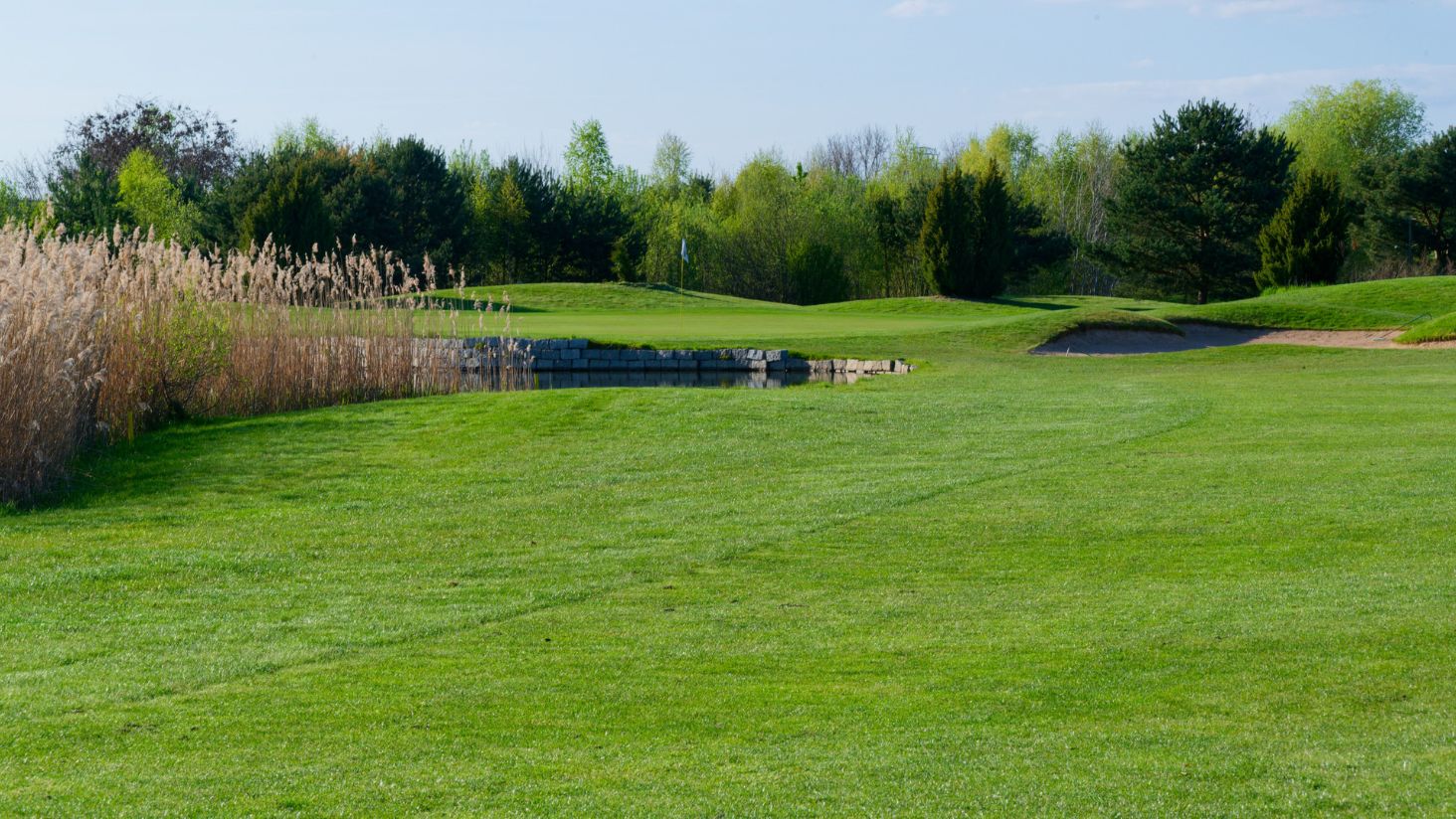
The Par 3 holes on the back nine are among the most challenging: large, multi-level greens and often water in front of or next to the green require clean shots. The final sequence is one of the particular strengths of the east course. A straight Par-4 with water to the left of the green forces a precise approach before a short but tricky Par-3 has to be played completely over water. The finale is a long Par-5 that leads through undulating terrain and provides a final tactical test with a heavily segmented green.
High-quality golf in the north of Berlin
The east course at Stolper Heide is a successful addition to the more famous west course. It looks a little less spectacular and is slightly easier to play, but remains of high sporting quality and varied. In combination, the two courses offer some of the best golf in the greater Berlin area.
Brandname
Title will go here and can run on two lines
Brandname
Title will go here and can run on two lines
Brandname
Title will go here and can run on two lines
Brandname
Title will go here and can run on two lines
Brandname
Title will go here and can run on two lines
Brandname
Title will go here and can run on two lines
Release date
28 Feb 2026
photos
A lot of water awaits on the east course at Berlin's Stolper Heide Golf Club. (Photo: Michael Althoff)
Impressions from the Stolper Heide Golf Club in Berlin. (Photos: Michael Althoff)
The east square of Stolper Heide is a successful addition to the more famous west square. (Photos: Michael Althoff)